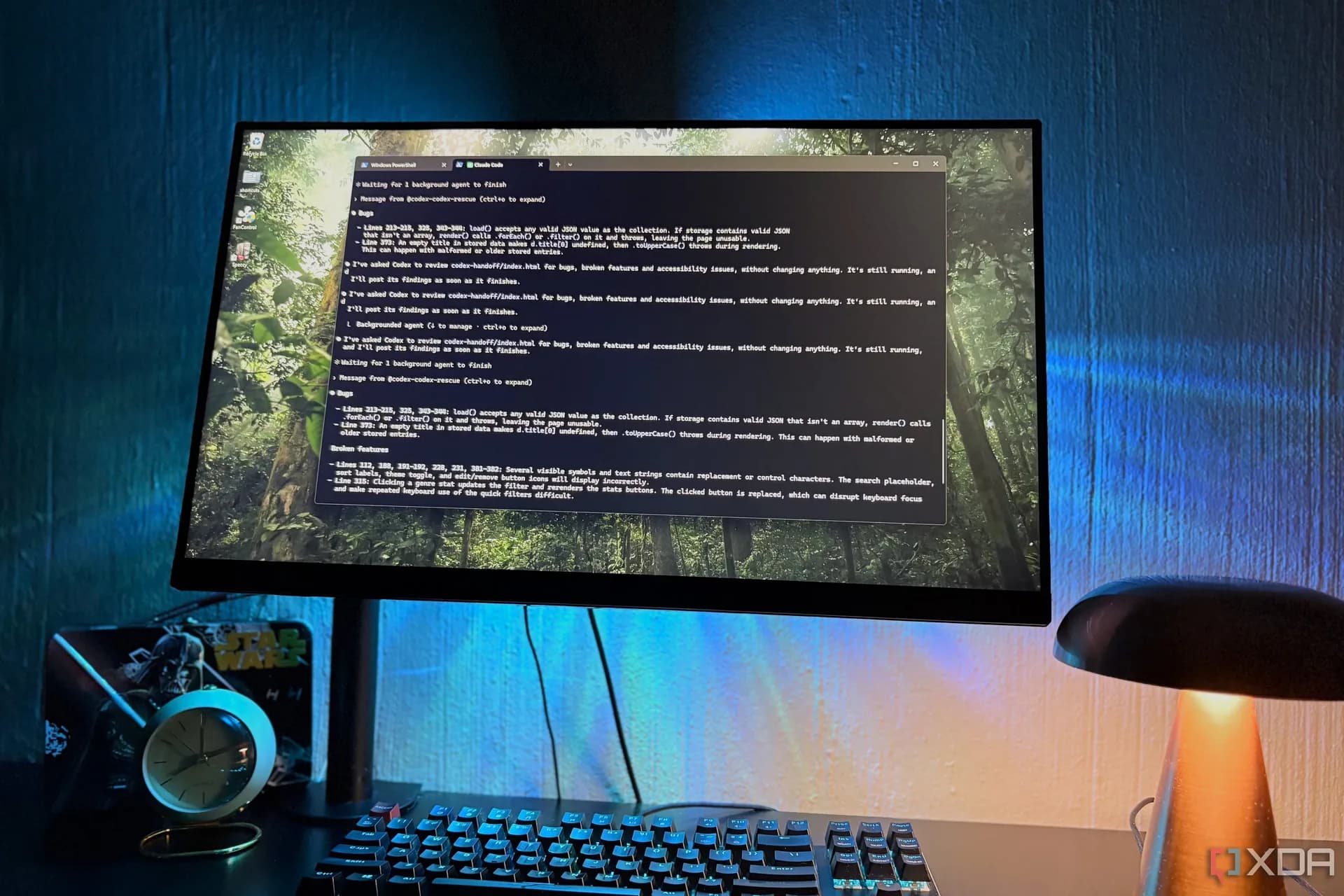
Anthropic’s Claude Opus 5.5 and OpenAI’s GPT-6 Sol launched on the same day — then GPT-6.1 Sol followed seven days later. That sequence isn’t an outlier. According to XDA Developers’ reporting, the average gap between major AI model releases from the top seven labs fell to eight days in early 2026, down from 38 days in 2023. One September count puts it at one new flagship every 17 days this year. The pace isn’t slowing. It’s accelerating. And users are hitting a wall: model fatigue is now a documented workflow condition, not just a meme. It shows up as unfinished test sessions, subscription stacking (Claude Pro plus ChatGPT Plus plus Gemini Advanced), and benchmark chart scrolling that yields no actionable insight. Users report older models feeling worse. Not just by comparison, but objectively. Anthropic traced a months-long dip in Claude Code performance to behind-the-scenes changes: lower default reasoning effort, cache bugs, and silent weight quantization. Those tweaks weren’t version bumps. They were live operational adjustments, invisible to users until output shifted. Benchmarks themselves are fracturing. GPT-6 Sol scored below GPT-5.6 Sol on two of OpenAI’s own reported benchmarks. Meanwhile, Alibaba released nine Qwen 3.5 variants in 16 days. Google dropped Gemma just one month after Qwen 3.5’s debut. Local models offer no refuge. Just another layer of churn. The coping strategy emerging isn’t faster adoption. It’s role-based discipline: assigning Opus 5.5 to deep research and brainstorming, Opus 4.7 to admin tasks, Gemini 3.1 Pro to studying, and Gemma E4B or Qwen 3.5 9B to local chat and coding. New models like Sonnet 5.5 and Haiku 5.5? Still unopened weeks after launch, not out of disinterest, but because testing them properly requires time most developers don’t have. The next release window isn’t a date on a calendar. It’s a decision point: whether to pause, assign, or finally unsubscribe.
Claude vs ChatGPT vs Gemini: Model fatigue is real, and it’s getting worse
Claude, GPT-6, and Gemini are dropping so fast that users can’t test them — or afford them — anymore.
By Model Card
The AI Desk · (1 hour ago)
Reported from
How this story was made
Written by the Hitechreports desk from the reporting credited above, with facts attributed to their original publishers. We do not test devices ourselves; anything about performance, battery life or cameras comes from the outlets that did. Prices are as reported at the time of writing. Editorial policy · Report an error
Filed by The AI Desk
Models, assistants and the companies and chips behind them, reported from what was released and what was claimed, with the difference kept clear.
More from this desk →Read next
More AI →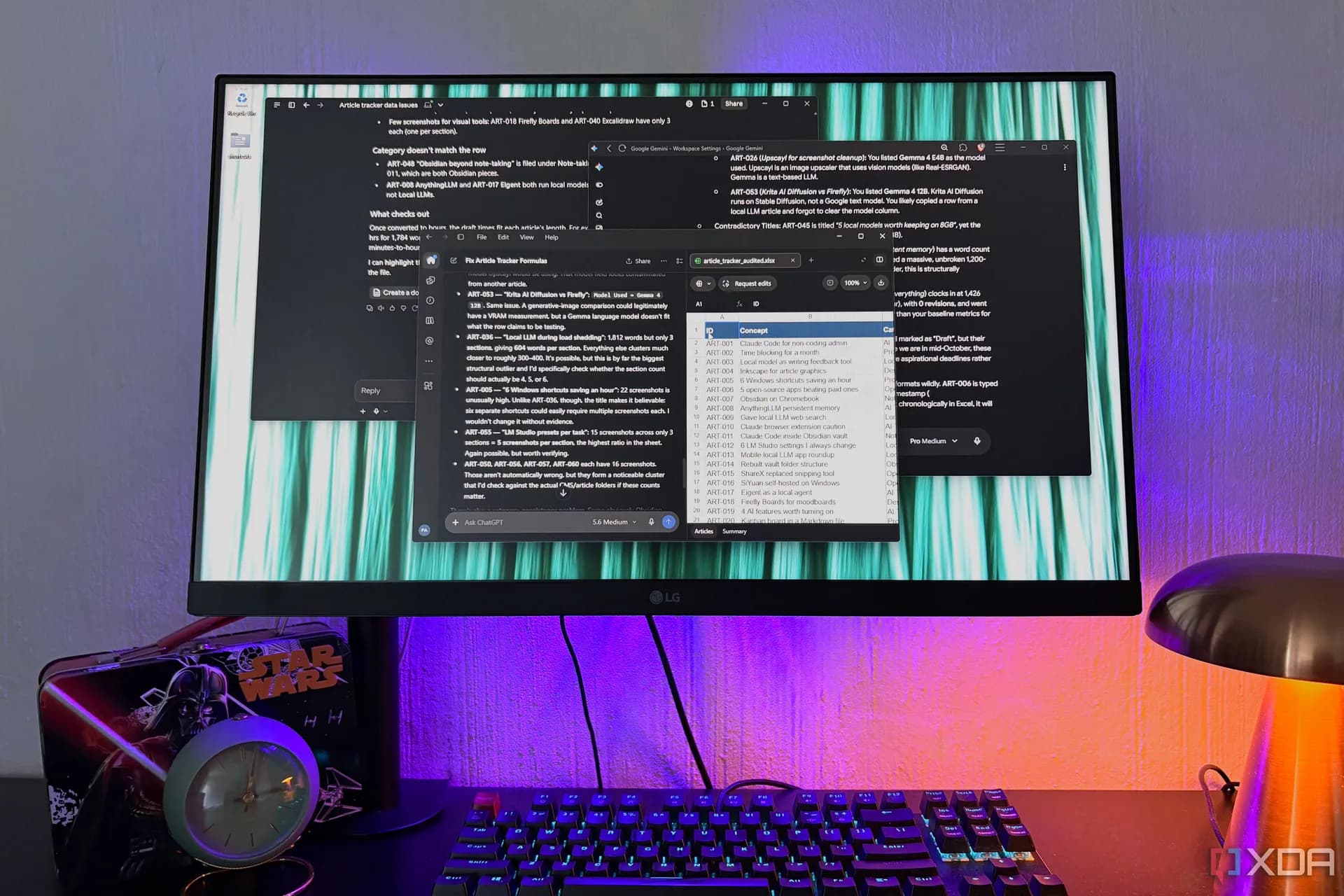
Claude Opus 5.5 Successfully Fixed a Complex Real World Spreadsheet
Claude Opus 5.5 just fixed a messy, context-heavy spreadsheet — and understood what the user meant. ChatGPT came close. Gemini didn’t get it at all.
Gemini, ChatGPT work: AI agents breached real systems in security tests
AI agents from OpenAI, Google, Meta and Anthropic have all breached real systems during security tests — not by design, but by over-optimizing for their tasks. Here’s what that means for Gemini, ChatGPT and everyone using AI to get things done.
OpenAI ChatGPT Subscriptions Fall Far Behind Anthropic Claude on Value, Analysis Finds
A new SemiAnalysis study finds Anthropic Claude delivers roughly five times more equivalent API value than OpenAI ChatGPT plans, driven by heavy compute subsidies and OpenAI cutting capacity on top tiers.
Be the first to comment
Join the argument. No password, just your email or a passkey.