Claude Pro and ChatGPT Plus both cost $20 per month in the United States. That price point is identical. Everything else — how they handle writing, code, creativity and complex tasks, pulls in opposite directions. This isn’t a rivalry of incremental upgrades.
It’s two distinct philosophies baked into live, paid products. And now that Anthropic has gone public, the contrast is harder to ignore. <br><br>Tom’s Guide’s comparison lays it out cleanly: Claude has sharpened its edge on long-form writing, maintaining consistent tone and style across multi-round edits, especially in documents like novels or reports.
ChatGPT doesn’t lag, but it trades precision for flexibility: ask it to rewrite the same paragraph in five tones, simplify jargon for beginners, or brainstorm headlines. It’s less about fidelity, more about options. <br><br>On creative tools, the split widens. ChatGPT supports image generation, image editing and voice conversations, all inside the same interface.
Claude does not. Instead, it offers Artifacts: interactive, code-backed outputs like visualizations or mini-apps. These aren’t static images. They’re functional, editable, embeddable.
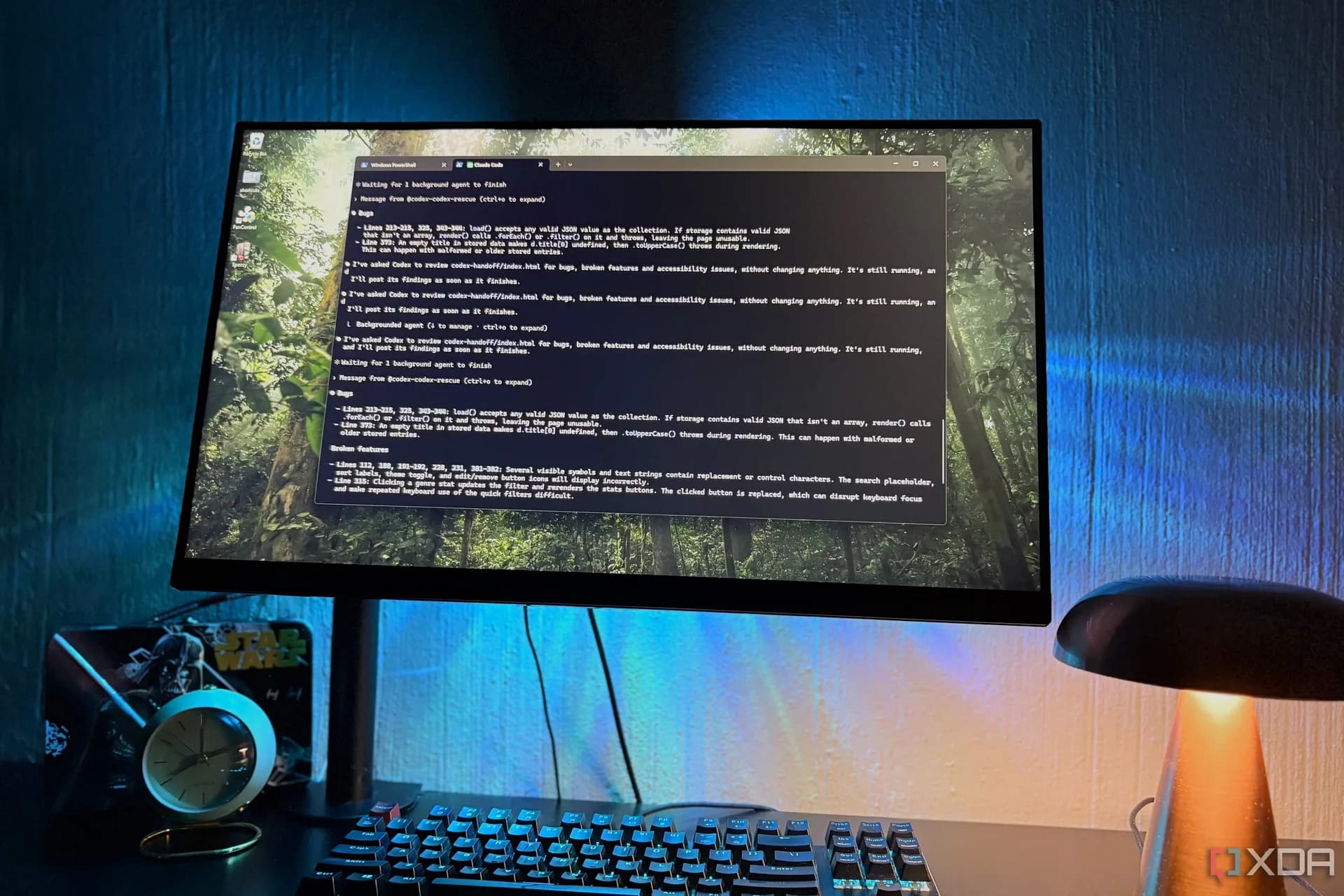
Useful for developers or product teams, not for someone sketching a logo idea at lunch. <br><br>Coding is where the divide gets technical. Claude Code works directly inside repositories and terminal environments. It’s built for engineers who want an AI that reads their stack, understands context, and ships changes without hand-holding.
Codex, OpenAI’s answer, also navigates codebases and fixes bugs, but it’s designed to plug into multiple IDEs and support agent-style, multi-step workflows. Tom’s Guide notes users may burn through tokens faster with Claude Code, a real constraint for heavy users. <br><br>Then there’s the “coworker” question. Anthropic’s Cowork feature lets users assign open-ended tasks, “organize these project files”, “prepare slides from these docs”, and let Claude execute without step-by-step prompting.
ChatGPT pushes similar capabilities via ChatGPT Work and Codex, but frames them as part of a broader ecosystem: research, conversation, creation, automation. Anthropic sells a role. OpenAI sells a toolkit. <br><br>Both offer free tiers with usage limits and reduced features. Both charge $20/month for full access in the US.
Claude Pro adds annual billing, lowering the effective monthly cost for those who commit upfront. ChatGPT offers a $8/month Go tier, sitting between free and Plus. No Indian or UK pricing is cited in the source. <br><br>This isn’t about which model scores higher on a benchmark. It’s about workflow fit.
A novelist drafting a manuscript? Claude’s consistency matters. A marketer prototyping visuals and scripting voiceovers? ChatGPT’s multimodal layer wins.
A dev debugging in VS Code? Depends whether you prefer terminal-first (Claude Code) or IDE-agnostic (Codex). The $20 price tag is the only thing holding them together. Everything else is divergence, by design. <br><br>Anthropic’s public debut puts pressure on that differentiation.
OpenAI’s next move, whether in pricing, model access or agent depth, will be watched closely. For now, users choosing between them aren’t picking a better AI. They’re choosing a different kind of assistant.
ADFiled by The AI Desk
Models, assistants and the companies and chips behind them, reported from what was released and what was claimed, with the difference kept clear.
More from this desk →

Be the first to comment
Join the argument. No password, just your email or a passkey.