Craft Anything is now publicly available: a free, open-source desktop app that lets users rebuild existing websites and apps by observing their behavior — not by typing prompts into a browser box. It’s positioned squarely against cloud-based AI builders like Claude Design, Replit Agents, and Lovable, but takes a different approach: no remote models, no usage quotas, and no black-box generation.
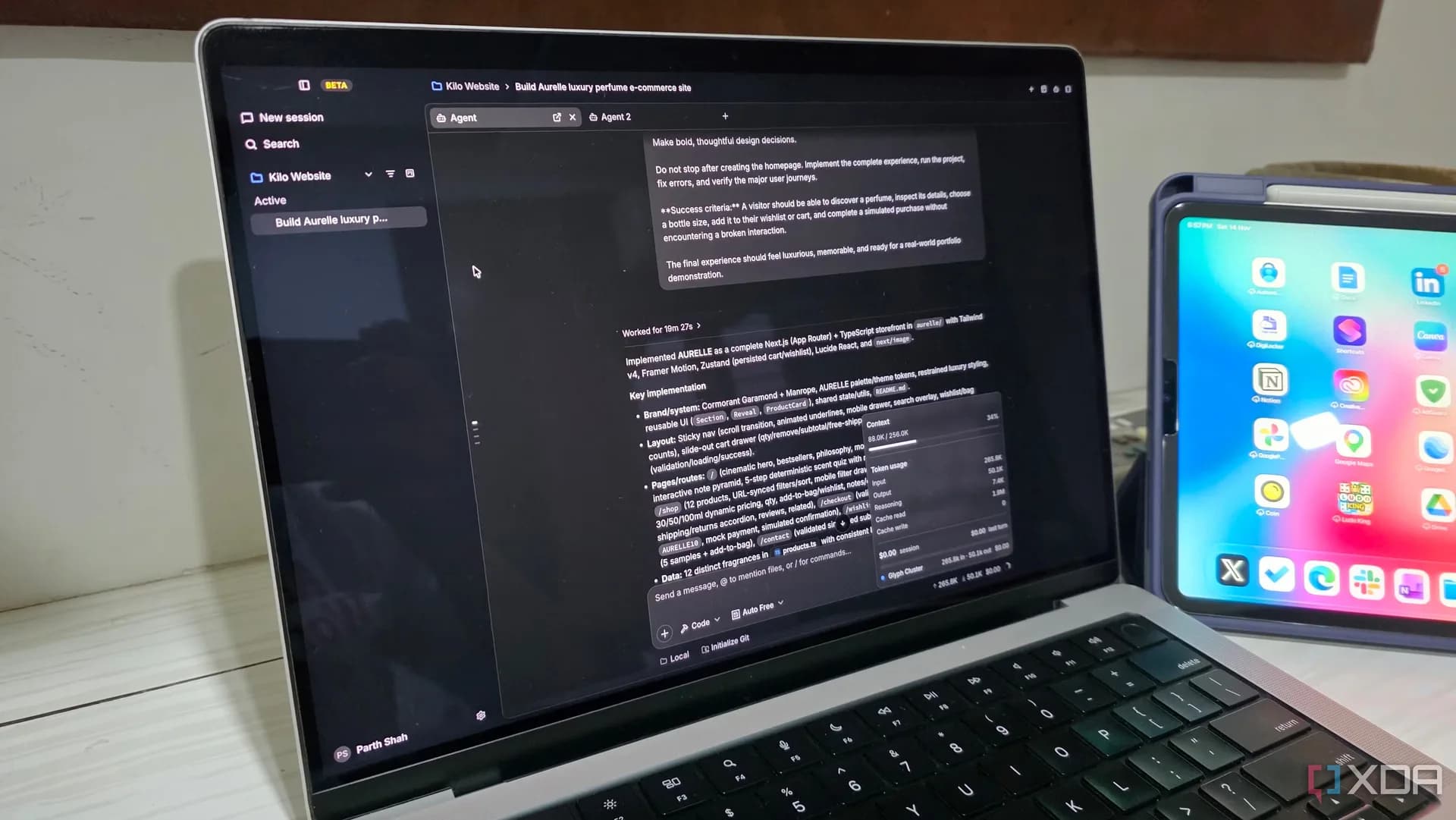
Instead, it runs locally and delegates coding to agents already installed on your PC, including Claude Code, OpenAI’s Codex, or any local LLM with an API endpoint. The app itself costs nothing. You pay only what your chosen agent charges, whether that’s via subscription, token usage, or local compute. XDA Developers tested it with Claude Code’s Opus 5.5 model, which consumed roughly 4.6 million tokens and nearly exhausted a 5-hour usage window, costing an estimated $1.39 in API fees, though actual billing depends on the provider’s plan.
Craft Anything does not ship with its own AI. During setup, it scans your system for compatible coding agents. If none are found, it guides you through installing one. Once configured, you choose whether to clone an existing site (like the open-source Memos note-taking app) or start from a text prompt, a mode that puts it in direct functional overlap with Claude Design and Replit.
But unlike those tools, Craft Anything offers two fidelity modes: Clean Room, which uses only what a visitor sees, screenshots, layout measurements across device widths, menu structures, and Deep mode, which reads source code and files directly (intended for private, authorized use). Every build follows four stages: Study (300+ inspection tools capture UI behavior without AI), Build (your local agent writes code), Check (automated side-by-side comparison scores likeness), and Ready.
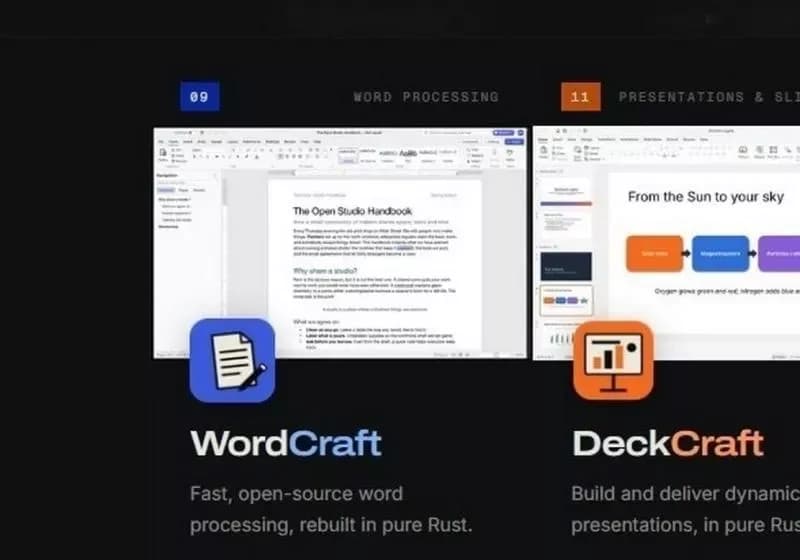
You retain full control mid-process: pause, redirect, reject steps, or inject new instructions, all without restarting. In one test, the app achieved 91% visual and functional likeness to Memos and passed all 26 checklist items. It runs entirely in-browser after building, with no server dependency. Craft Anything comes from ArtCraft, the team behind free open-source alternatives to Adobe apps, and is built for developers and non-coders alike.
Its first-run setup asks users to choose between “plain words and big buttons” or “the full developer workbench.” That duality signals its core tension: it lowers the barrier to cloning sophisticated UIs while refusing to hide how, or where, the work happens. Unlike Claude Design, which recently opened to free users under usage limits, or Replit’s effort-based pricing (where cost isn’t known until after execution), Craft Anything shifts financial and technical responsibility to the user’s local toolchain.
That means no surprise bills, but also no hand-holding. It’s not a replacement for learning to code. It’s a lever for people who already have coding agents and want to repurpose them, not as chatbots, but as collaborators in deliberate, observable, auditable rebuilding. Availability is immediate: Craft Anything is downloadable now as a desktop app for Windows, macOS, and Linux.
No launch date was announced because there wasn’t one, it’s live, open-source, and unannounced beyond XDA’s report.
ADFiled by The AI Desk
Models, assistants and the companies and chips behind them, reported from what was released and what was claimed, with the difference kept clear.
More from this desk →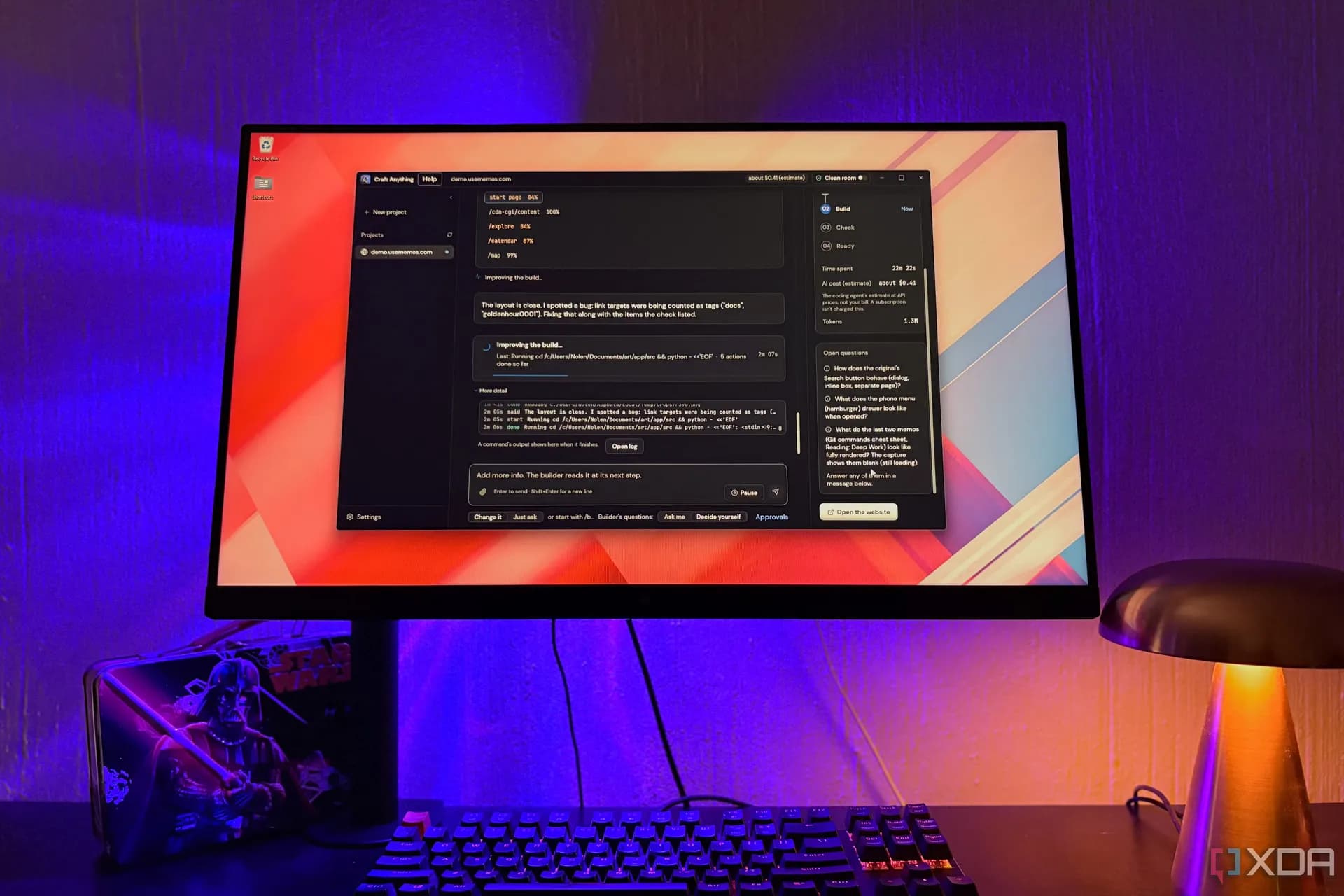
Be the first to comment
Join the argument. No password, just your email or a passkey.