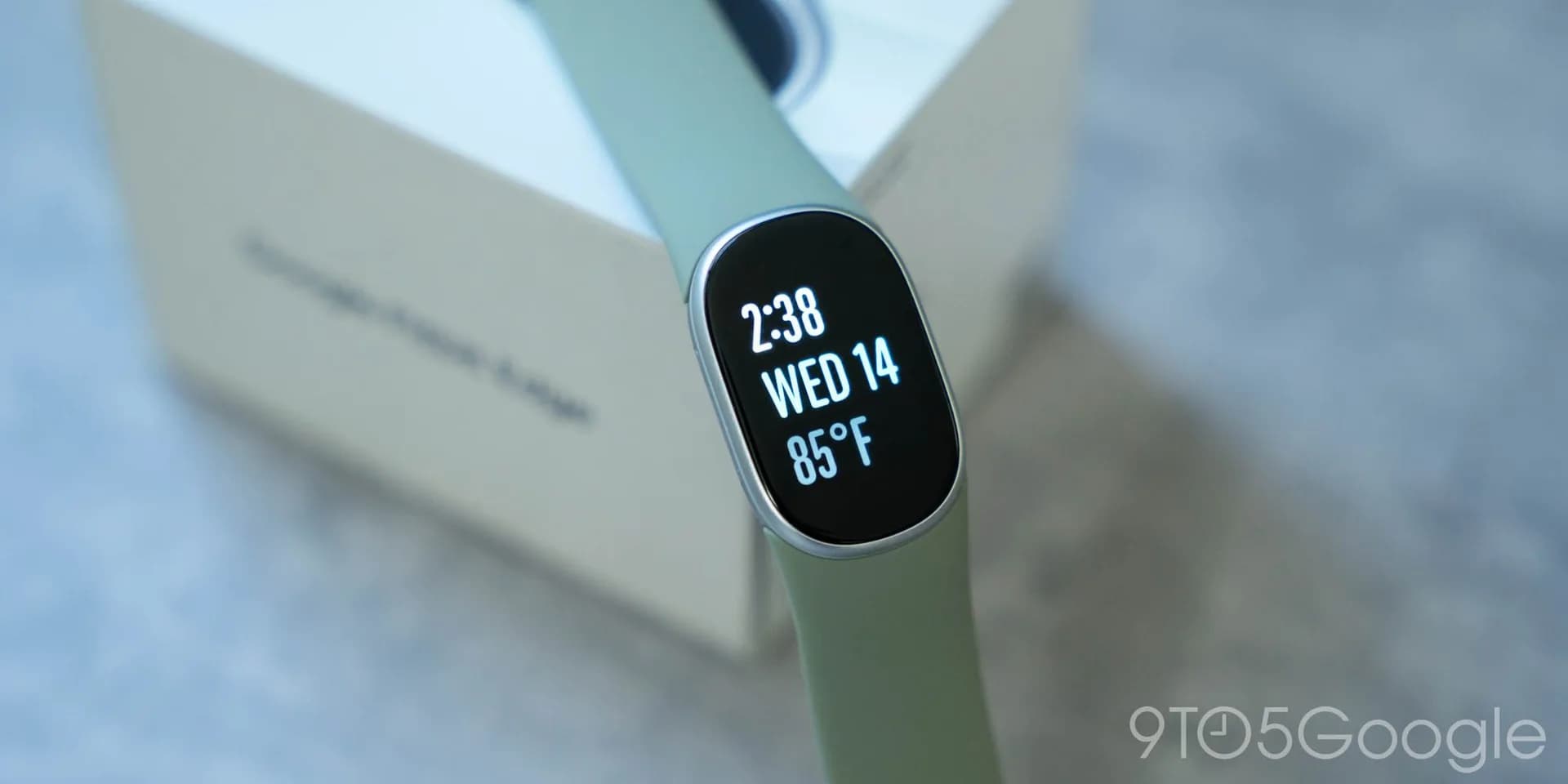
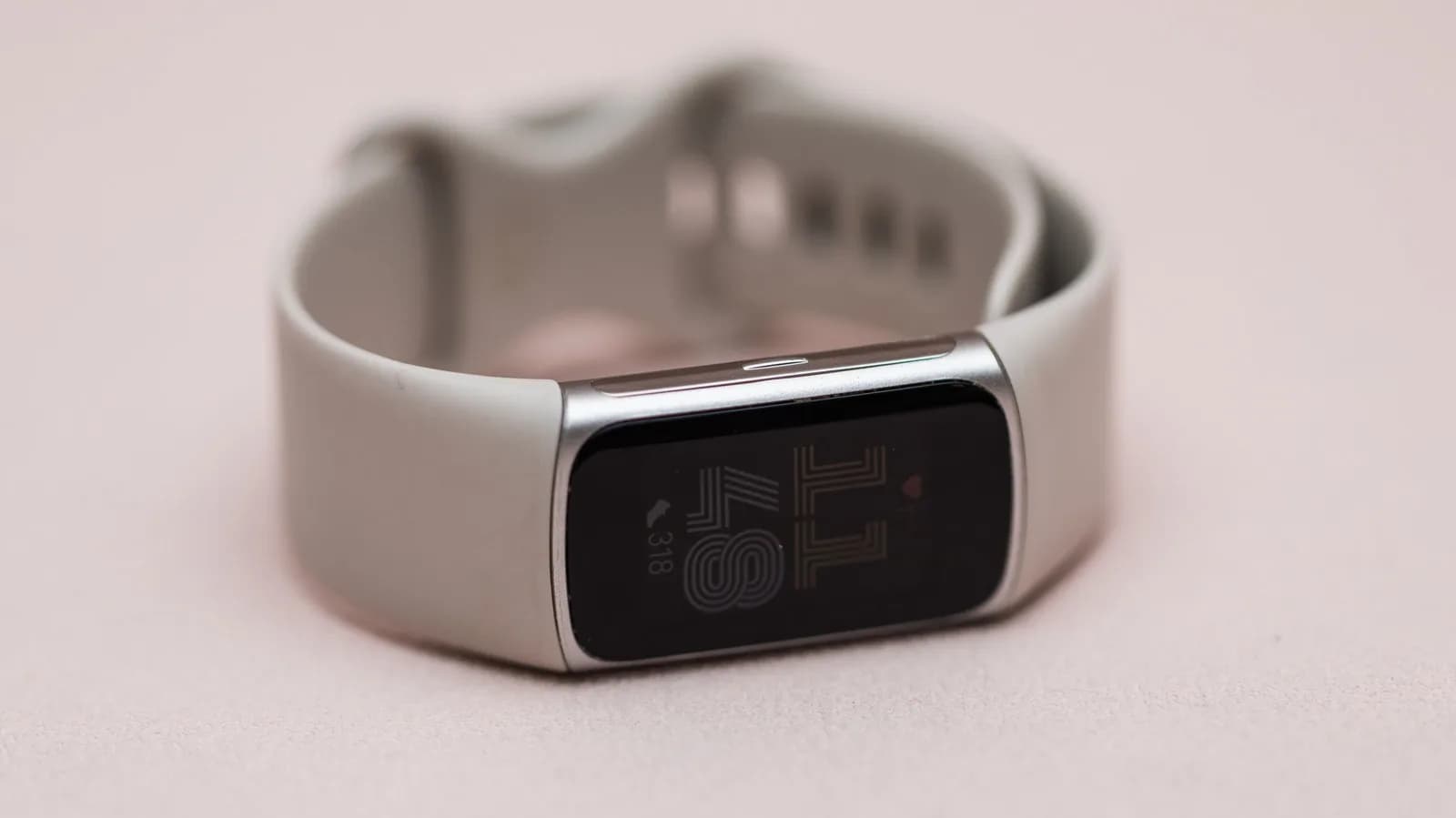
Google's Fitbit Edge, announced a few days ago, is meant to sit between the screenless Fitbit Air and the Pixel Watch 5 in the company's wearables lineup. The pitch is simple: an AMOLED display you can glance at mid-workout, in a band that's still small and light. But a detailed feature comparison published by Android Authority on Saturday suggests the extra $80 the Edge costs over the Air buys you a lot less than you'd think.
Both trackers share the bulk of what actually matters for health tracking. Continuous heart rate, HRV, resting heart rate, SpO2, blood pressure and insulin resistance trends are identical on both devices, and both require a subscription to unlock Google's Gemini-powered Health Coach.
Where the Edge pulls ahead is in features tied to its screen and its standalone capability. It has built-in GPS, so you can run without your phone and still get a route map afterward. It also adds an altimeter, on-wrist workout controls, live coaching that nudges you to push harder or ease off, and on-demand ECG readings that can flag signs of atrial fibrillation. The Air can monitor your pulse passively and alert you to an irregular rhythm, but it can't take an ECG reading on demand, which is a real gap if you ever want to check something in the moment.
What the cheaper band does better
The Air isn't just a stripped-down Edge. Its lighter, 12-gram build and lack of a screen make it the more obvious choice for overnight wear, and Android Authority notes its Sleep Breathing Quality feature is further along in development than the Edge's version of the same tool. Without a phone to reach for mid-run, the Air leans on your phone's location data instead of its own GPS to build a workout intensity map, which covers most casual use cases without the Edge's hardware.
Android Authority's reviewer, who put the two trackers side by side, wrote that they'd personally pick the Air if spending their own money, mainly to avoid wearing another screen and to put the $80 saved toward Google Health Premium, priced at $9.99 a month, which unlocks Health Coach and Health Guardian trends on either device. That's a personal call, not a verdict on which band performs better, since the comparison is built from spec sheets and feature lists rather than hands-on testing.
The calculus changes for anyone who runs regularly, wants real-time metrics without carrying a phone, or wants on-demand ECG readily available. For them, the Edge's extra cost buys actual new capability rather than just a screen.
Google hasn't detailed a broader rollout timeline for either band beyond the initial announcement, and pricing for international markets, including India, hasn't been confirmed. Buyers weighing the two will have to decide whether GPS, an altimeter and ECG are worth $80, or whether a lighter wrist and a cheaper subscription upgrade make more sense.
GDFiled by The Gadgets Desk
Audio, wearables, cameras, tablets, chargers and every other device worth carrying or plugging in.
More from this desk →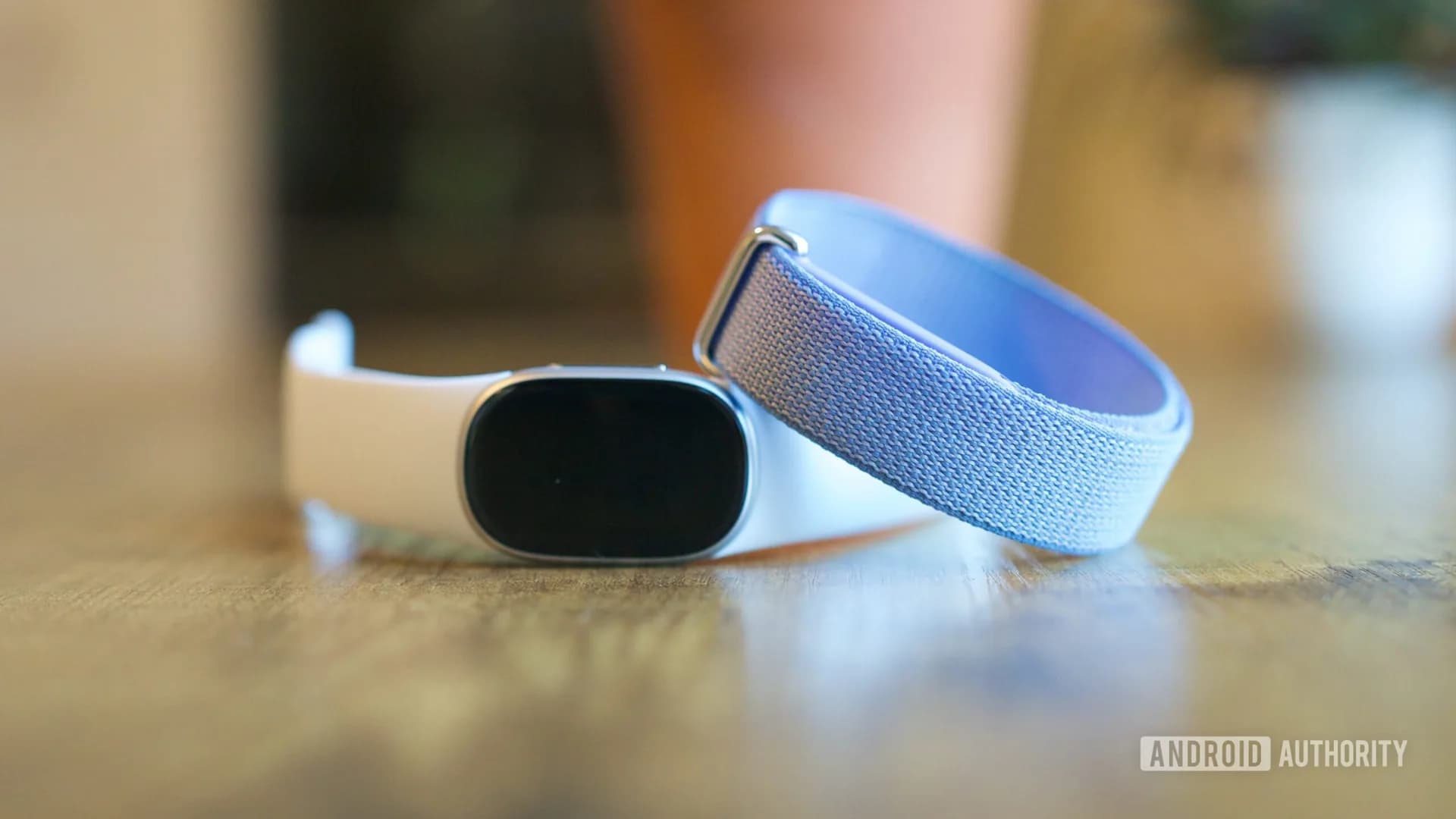

Be the first to comment
Join the argument. No password, just your email or a passkey.