The Fitbit Edge is, by most measures, the device Fitbit would have called the Charge 7. That's the verdict from Ray Maker at DC Rainmaker, who put the $179 tracker through weeks of runs, rides, hikes and gym sessions alongside his wife, who wore her own unit at the same time.
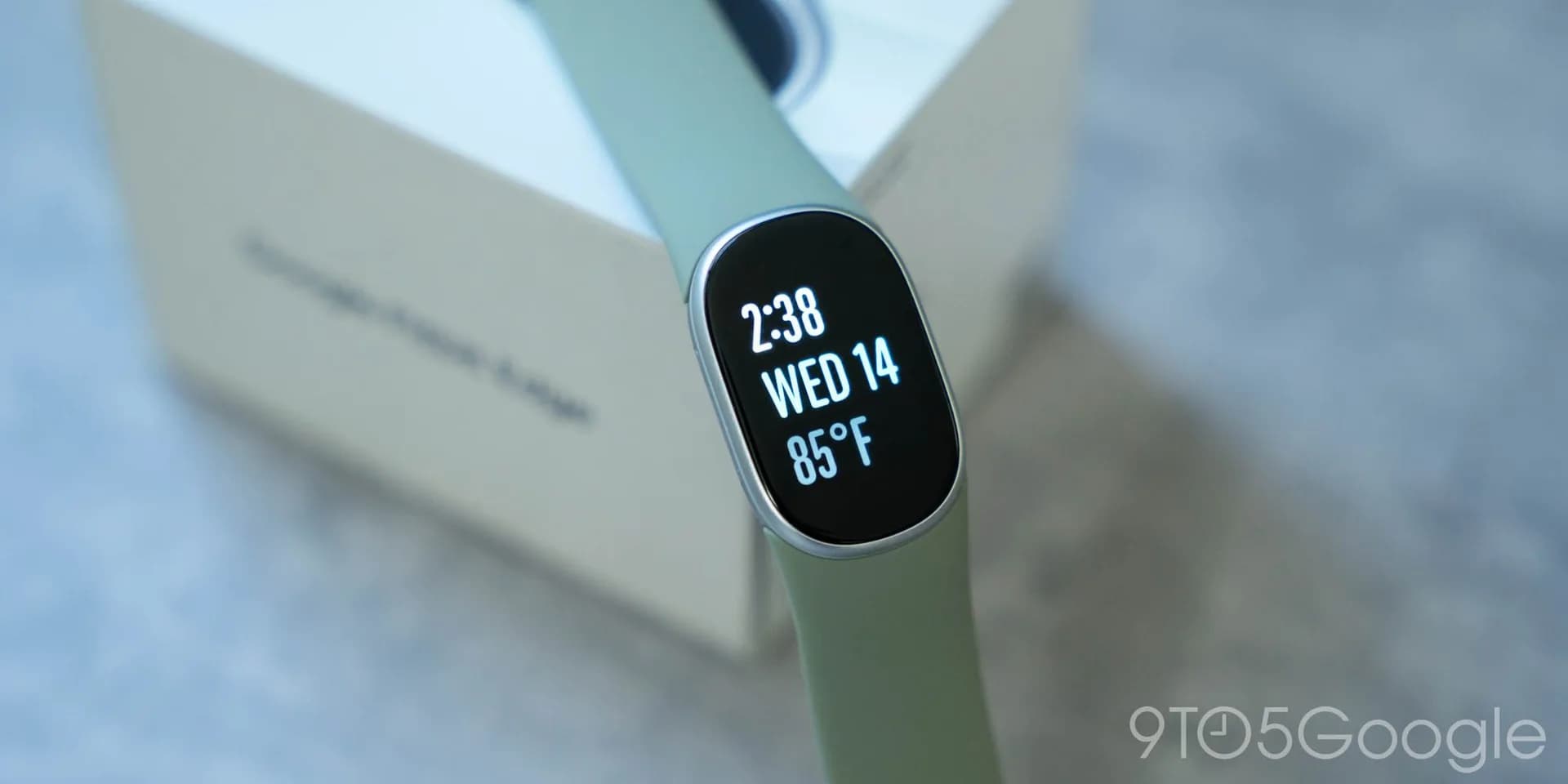
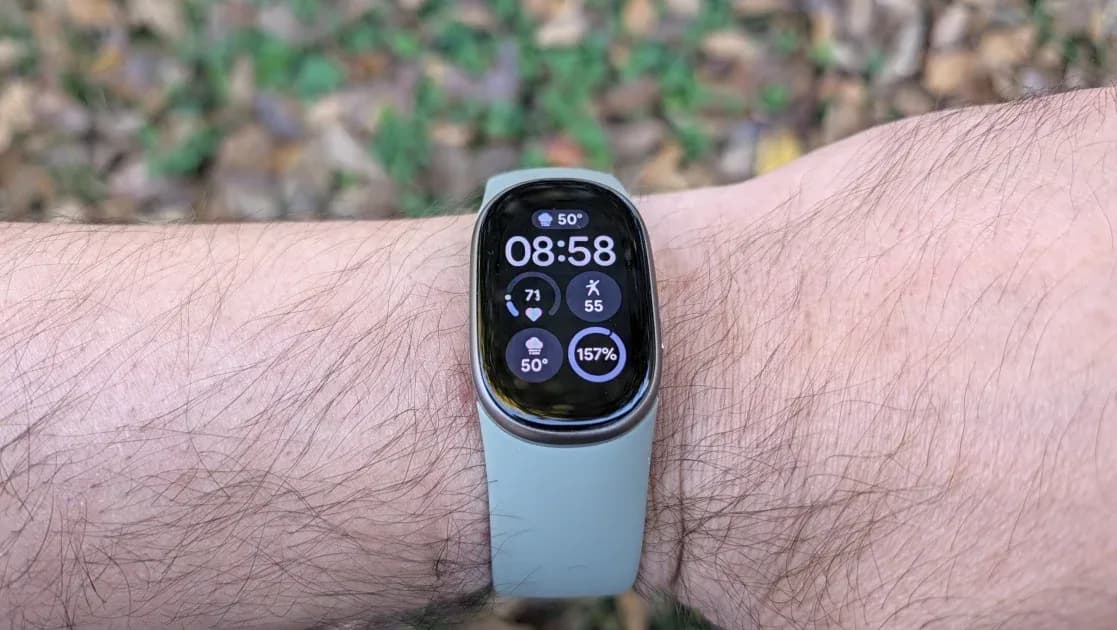
The headline change is the screen. Fitbit has grown the display by 46 percent to 1.34 inches, an AMOLED panel that now supports an always-on mode, packed into a case 11.5mm thick. Maker's review also points to a new physical side button that actually clicks, replacing the touch-sensitive area on the Charge 6, and an altimeter that finally gives the band stair tracking and elevation data.
Fitbit says the new GPS chipset, paired with a redesigned aluminum case, is 40 percent more accurate than before. The review credits that chip, combined with support for GPS, Galileo, GLONASS, BeiDou and QZSS outside the US, as one of the more meaningful upgrades for runners and cyclists. Automatic workout detection now covers 100 sports, up from a shorter list on the Charge 6, and the device supports 50 manual workout profiles plus structured workouts for the first time.
Fitbit has also made the Edge's battery user-replaceable, a first for a Fitbit-branded product according to the review, and added fast charging that Fitbit claims returns a full day of use from five minutes on the charger, which now matches the one that ships with the Fitbit Air.
What got cut, and what it costs
Not everything carried over. Google Pay and NFC contactless payments are gone entirely, and the EDA Scan stress feature has been dropped in favor of continuous background stress monitoring. The band attachment mechanism has also changed, meaning older Fitbit bands won't simply click onto the new case.
Pricing has moved up too. The Edge lists at $179, against an official $159 for the Charge 6, though Maker notes the Charge 6 realistically sold for $99 to $129 most of the time it was on shelves. A Stephen Curry special edition runs $219 in the US, Canada and EMEA.
Other core numbers carry over from the Charge line: Fitbit claims seven days of battery life, continuous heart rate monitoring, full sleep tracking, FDA- and EU-cleared ECG with background AFib detection, a skin temperature sensor, and 5ATM water resistance with IP68 dust protection. The interface has been redesigned to match the Pixel Watch 5, and the Edge can now hand off workouts cleanly between a Pixel Watch and a Fitbit Air, per the review.
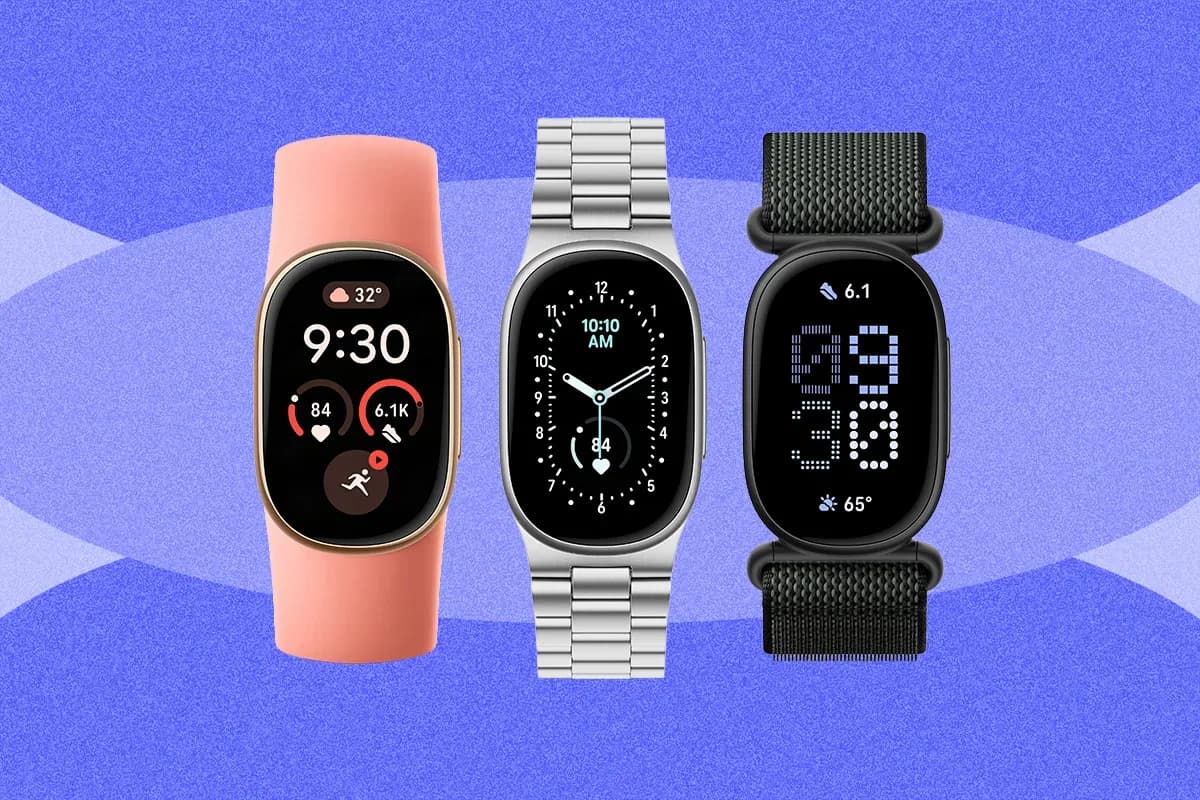
One wrinkle the review flagged: the optional Metal Link band's clasp release button proved easy to press by accident during a day of wear, though only on Maker's unit and not his wife's. The Edge ships in five case colorways with five band styles, including a new magnetic band, and is already available from Fitbit at the prices above.
RRFiled by The Reviews Roundup Desk
What the reviews are saying: verdicts on new devices from the outlets that tested them, summarised and credited to each. This desk does not test products itself.
More from this desk →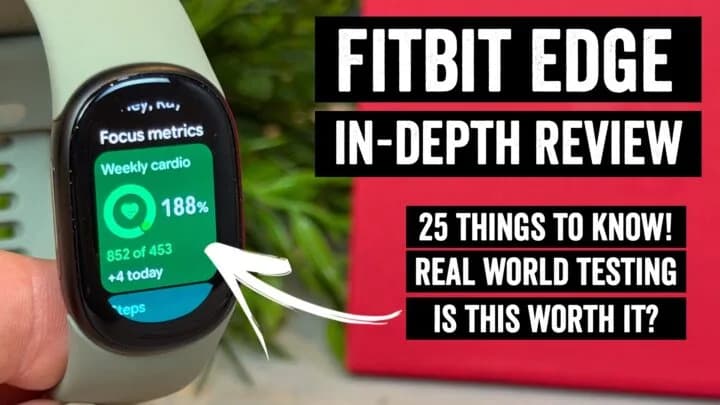
Be the first to comment
Join the argument. No password, just your email or a passkey.