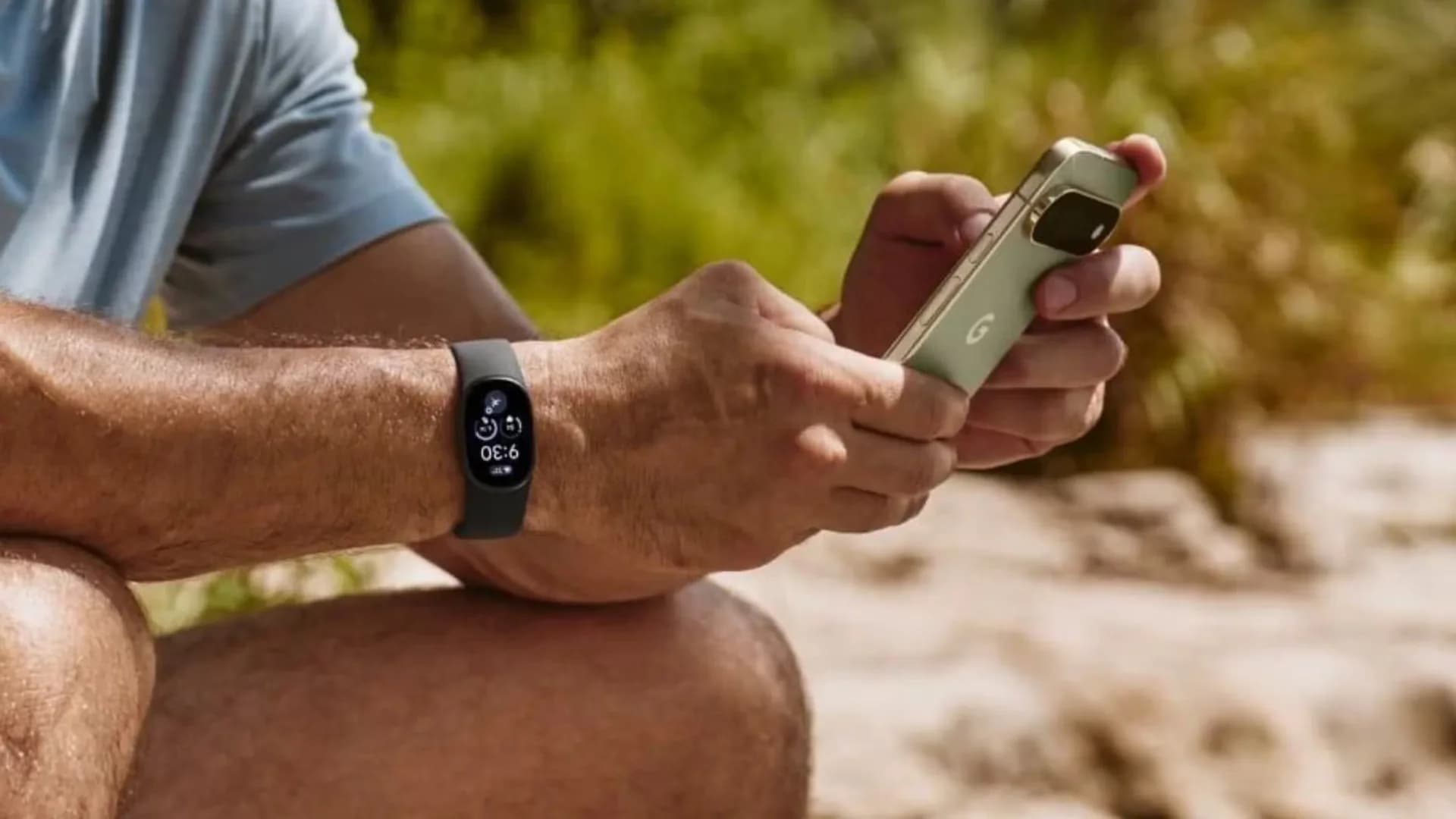
Fitbit Edge launches October 27 at $180 — no NFC, no Health Guardian sleep breathing data, no emergency safety features. Google confirms all three omissions are intentional trade-offs for the price point, not oversights or delays. It’s a fitness tracker built to sit between the Fitbit Charge 6 and Pixel Watch 5, physically, functionally, and financially. Not a smartwatch replacement. Not a health hub. A focused, AMOLED-equipped step counter with Gemini-powered insights, priced at half the Pixel Watch 5’s cost. The device is aimed squarely at users who want Fitbit’s long-standing strength in activity and sleep tracking, plus Google’s newer AI summaries. But don’t need payments, on-device emergency calling, or granular respiratory analysis during sleep. Google says fewer than 1% of Fitbit Charge 6 users activated NFC payments, so it was cut. Health Guardian’s Sleep Breathing Quality metric is missing from the Edge (and the Fitbit Air), though Google says it’s “being looked into” and may arrive later. Safety features like fall detection with LTE/Wi-Fi-assisted emergency contact remain exclusive to Pixel Watch models, per Google: they require deeper hardware-level integration that the Edge’s platform doesn’t support. You can pair the Edge with a Pixel Watch or Fitbit Air in the Google Health app, syncing data across devices. That’s the closest Google gets to bridging the gap. But it doesn’t add NFC or safety alerts to the Edge itself. The Edge arrives October 27 in the US. No Indian pricing or launch date is mentioned in the reporting. If you’re comparing Fitbit Edge vs Charge 6: the Edge adds Gemini insights, a brighter screen, and tighter Google integration, but drops NFC and some Health Guardian layers. Fitbit Edge vs Pixel Watch 5? It’s not a contest on features. It’s a choice between $180 for core tracking + AI summaries, or $349+ for full smartwatch capability, including payments and emergency tools. Preorders open October 27.
Fitbit Edge vs Charge 6 and Pixel Watch 5: What’s Missing, Why, and What You Pay For
No NFC. No Sleep Breathing Quality. No emergency alerts. Google confirms every omission — and why.
By Plugged In
The Gadgets Desk · (2 hours ago)
Reported from
How this story was made
Written by the Hitechreports desk from the reporting credited above, with facts attributed to their original publishers. We do not test devices ourselves; anything about performance, battery life or cameras comes from the outlets that did. Prices are as reported at the time of writing. Editorial policy · Report an error
Filed by The Gadgets Desk
Audio, wearables, cameras, tablets, chargers and every other device worth carrying or plugging in.
More from this desk →Read next
More Wearables →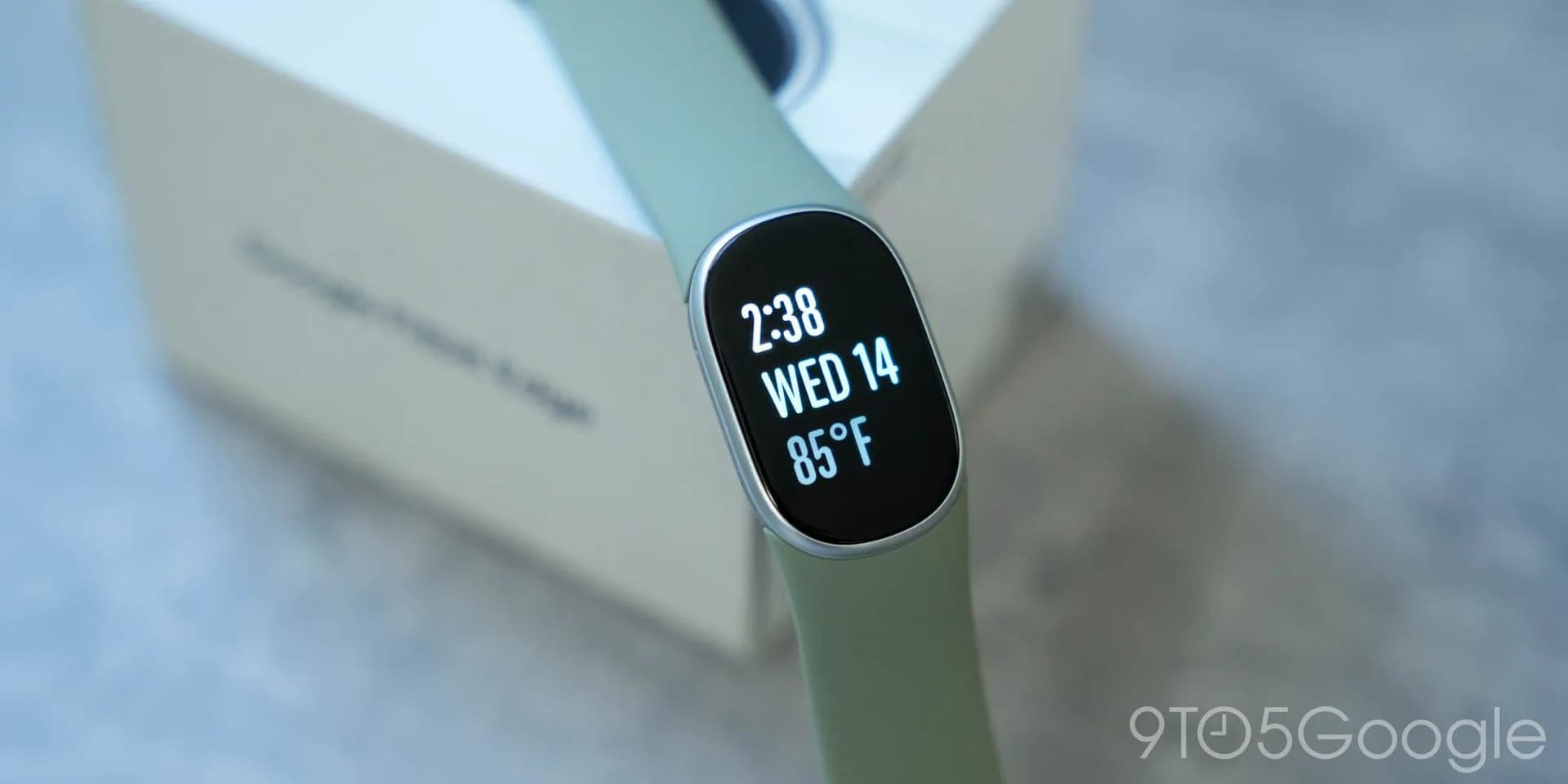
Google Opens Fitbit Edge Preorders Ahead of October 27 Launch
Google has opened preorders for the Fitbit Edge, featuring a larger screen and built-in GPS before its October 27 release, though the band omits Google Wallet support found on earlier hardware.
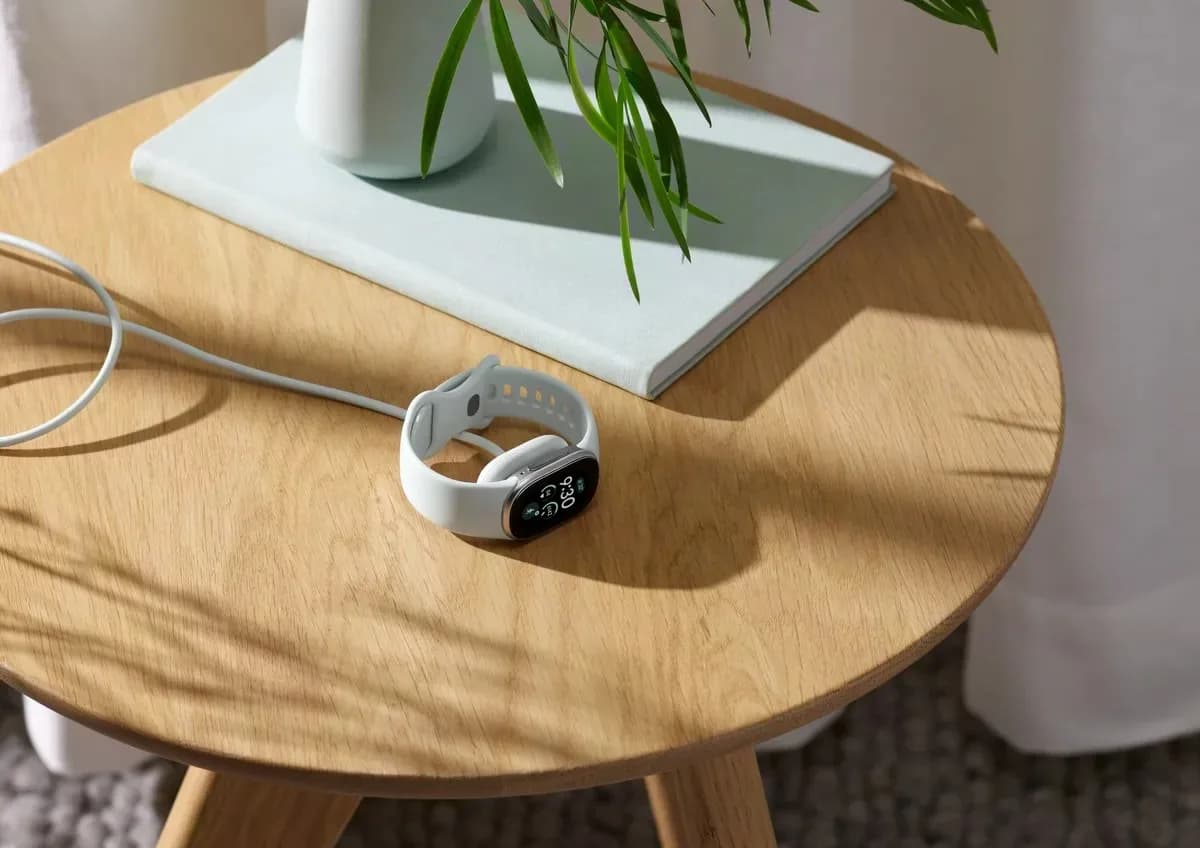
Fitbit Edge vs Pixel Watch 5: Price, specs, battery, release date
Google’s Fitbit Edge is a $179.99 wearable with OLED display, 7-day battery, Fitbit OS, and Health Guardian — but no Watch Face Generator. Ships October 27.
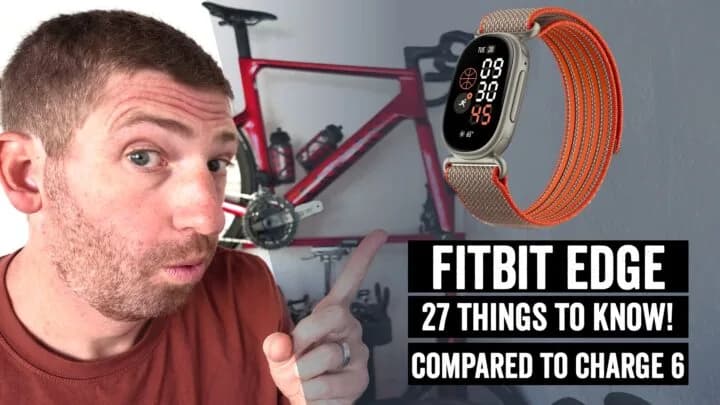
Fitbit Edge Replaces Charge 6 With a Pixel Watch 5 Style Screen
Google has unveiled the Fitbit Edge, a $179.99 fitness tracker that replaces the Charge 6 with a larger screen, a physical button, a repairable battery and a Pixel Watch 5 style interface. Preorders start now, shipping October 27.
Be the first to comment
Join the argument. No password, just your email or a passkey.