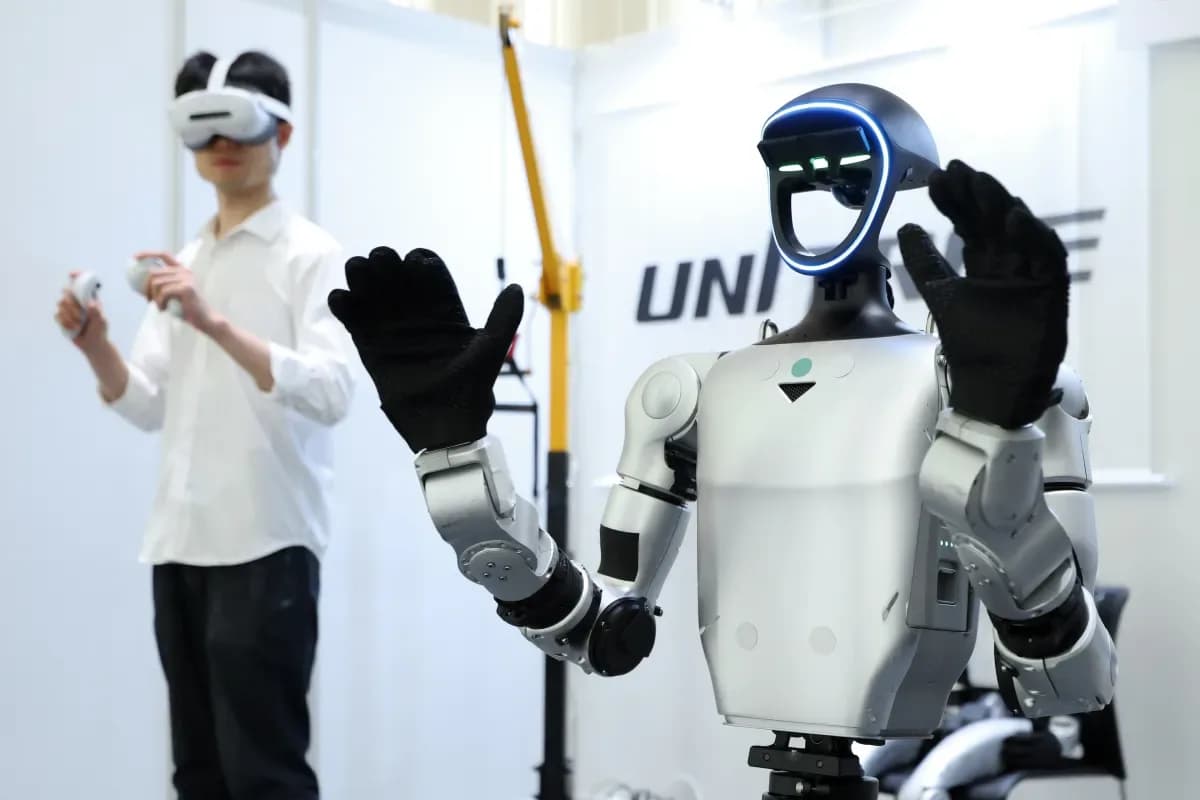
Amulya Vishwanath, who spent seven years leading product marketing for NVIDIA’s robotics platforms, has launched Techable VC — her new early-stage firm focused on physical AI. She’s writing first checks in robotics, materials science, and life sciences. Not software-only AI. Not chatbots. Machines that move, sense, and interact with the real world, but not yet at scale, and not yet unified by a single model. She calls the current state the “Lego era”: actuators, robotic hands, safety standards, and foundational software are still being rebuilt, piece by piece. That’s the headline. Not a launch. Not a product. A diagnosis. From someone who helped sell NVIDIA’s robotics stack for nearly a decade. And it contradicts the bullish narrative pushed by others, like General Intuition CEO Pim de Witte, who told TechCrunch’s Equity podcast earlier this year that a single general foundation model is imminent, one that would make today’s specialized robotics work redundant. That moment, de Witte said, would be robotics’ “ChatGPT moment.” Vishwanath disagrees. She says it hasn’t arrived. Not even close. Her fund isn’t betting on a sudden inflection. It’s betting on the slow, uneven work of assembling reliable hardware, certifying systems for real environments, and aligning AI with physical constraints. Heat, torque, latency, failure modes. The stakes aren’t theoretical. Robotics startups face higher capital intensity, longer regulatory paths, and tighter margins than their software peers. And investors are noticing: CoreWeave shares steadied Thursday after a sharp slump tied to concerns over debt-financed AI infrastructure build-outs, a reminder that physical layers cost more, scale slower, and break differently. Techable VC’s first investments haven’t been named. No dollar figures, no portfolio companies, no launch dates. Just a thesis. And timing. Vishwanath is one of the first women executives to spin out of NVIDIA and found her own VC firm. Her pitch isn’t about speed or virality. It’s about durability. Physical AI won’t go viral. It’ll get certified. Tested. Revised. Deployed in labs, factories, hospitals, then, maybe, homes. The rollout starts there. Not in an app store.
Former Nvidia Robotics Executive Launches Venture Capital Fund for Physical Artificial Intelligence
An ex-NVIDIA robotics exec just launched a VC fund betting on physical AI — and says robotics hasn’t had its 'ChatGPT moment' yet. Here’s why.
By Market Close
The Tech Business Desk · (2 hours ago)
In this story
Reported from
How this story was made
Written by the Hitechreports desk from the reporting credited above, with facts attributed to their original publishers. We do not test devices ourselves; anything about performance, battery life or cameras comes from the outlets that did. Prices are as reported at the time of writing. Editorial policy · Report an error
Filed by The Tech Business Desk
Big tech, startups, earnings, regulation and policy — the decisions that shape the products.
More from this desk →Read next
More Tech Business →
RTX Spark laptop price: $2,599, ₹2,49,999 in India
Nvidia’s RTX Spark laptops launched in the US on Friday at a single Best Buy in San Francisco — and while over 100 people queued before 10 a.m., only a handful walked out with one.
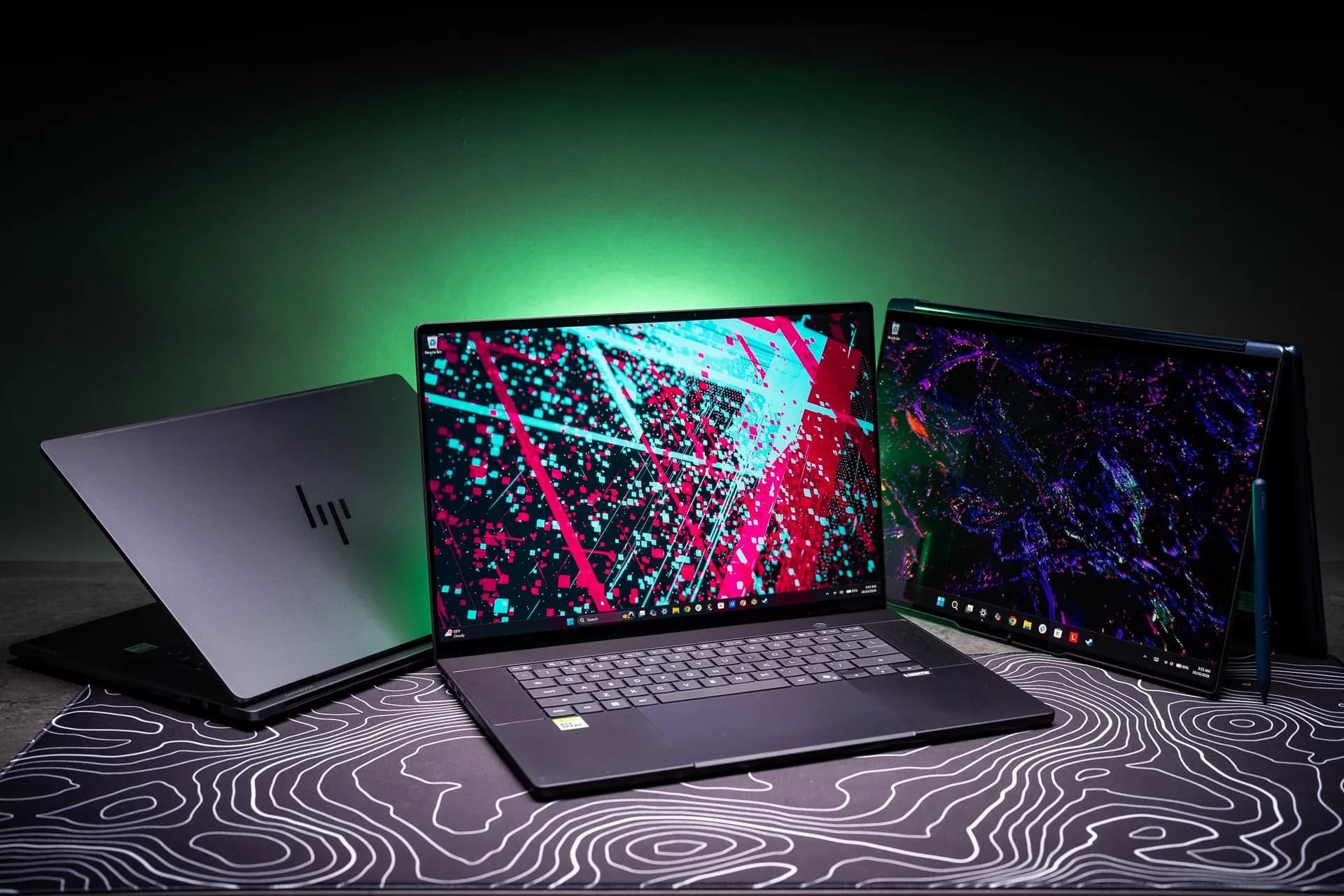
Nvidia's RTX Spark Laptop Chips Impress At Work, Stumble In Games
Three Verge writers spent a week with five laptops built on Nvidia's new RTX Spark N1X chip, from the Surface Laptop Ultra to the Asus ProArt P16, and found solid app support but mixed gaming results at prices from $2,599.99 to $6,999.99.
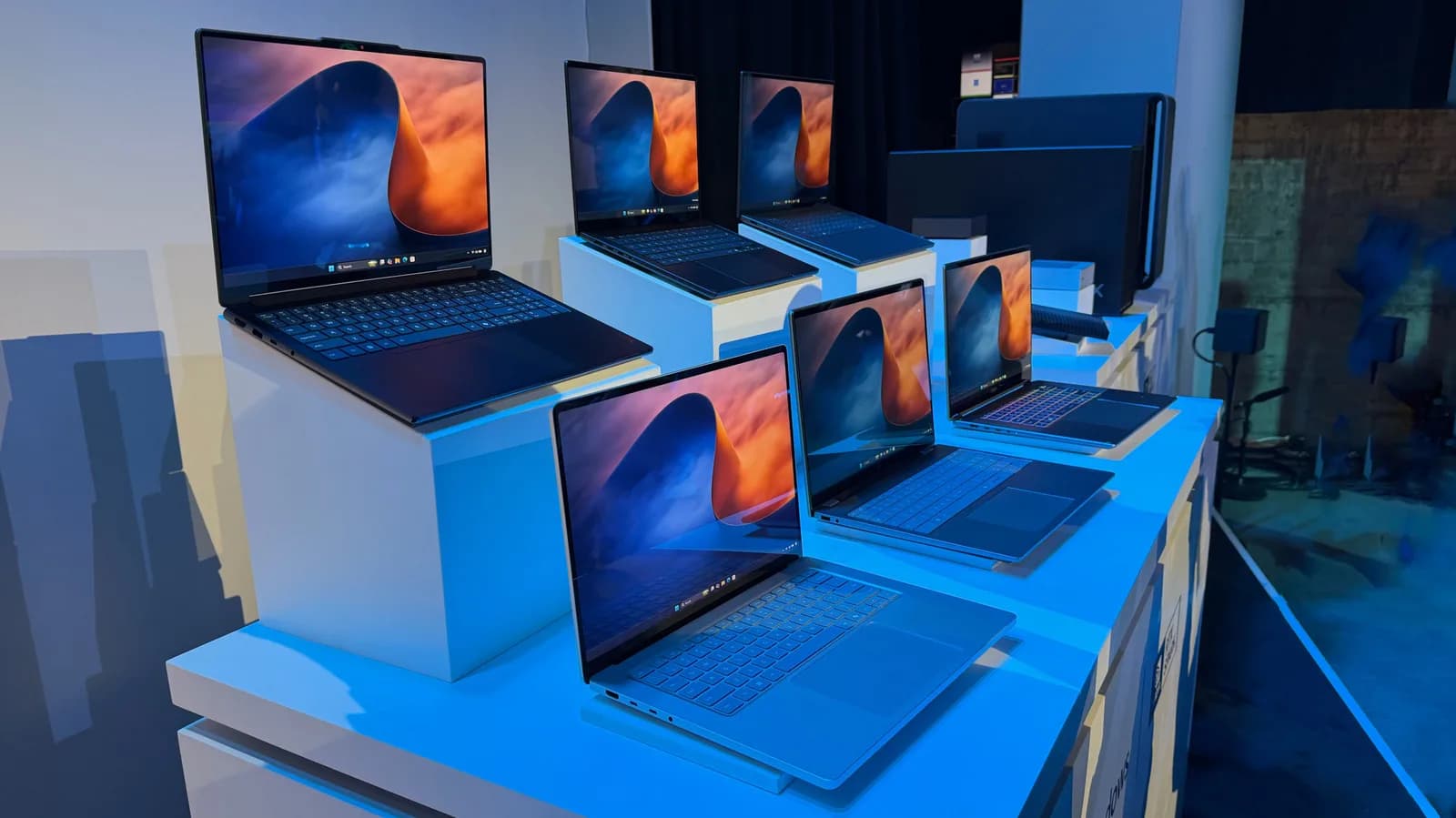
NVIDIA RTX Spark N1X launches: Surface Laptop Ultra and Asus ProArt P16 arrive this week
NVIDIA’s RTX Spark N1X chip is official — and it’s shipping in Windows laptops this fall. The first device, Microsoft’s Surface Laptop Ultra, launches Thursday, October 17, priced at $2,499 in the US and ₹2,19,999 in India.
Be the first to comment
Join the argument. No password, just your email or a passkey.