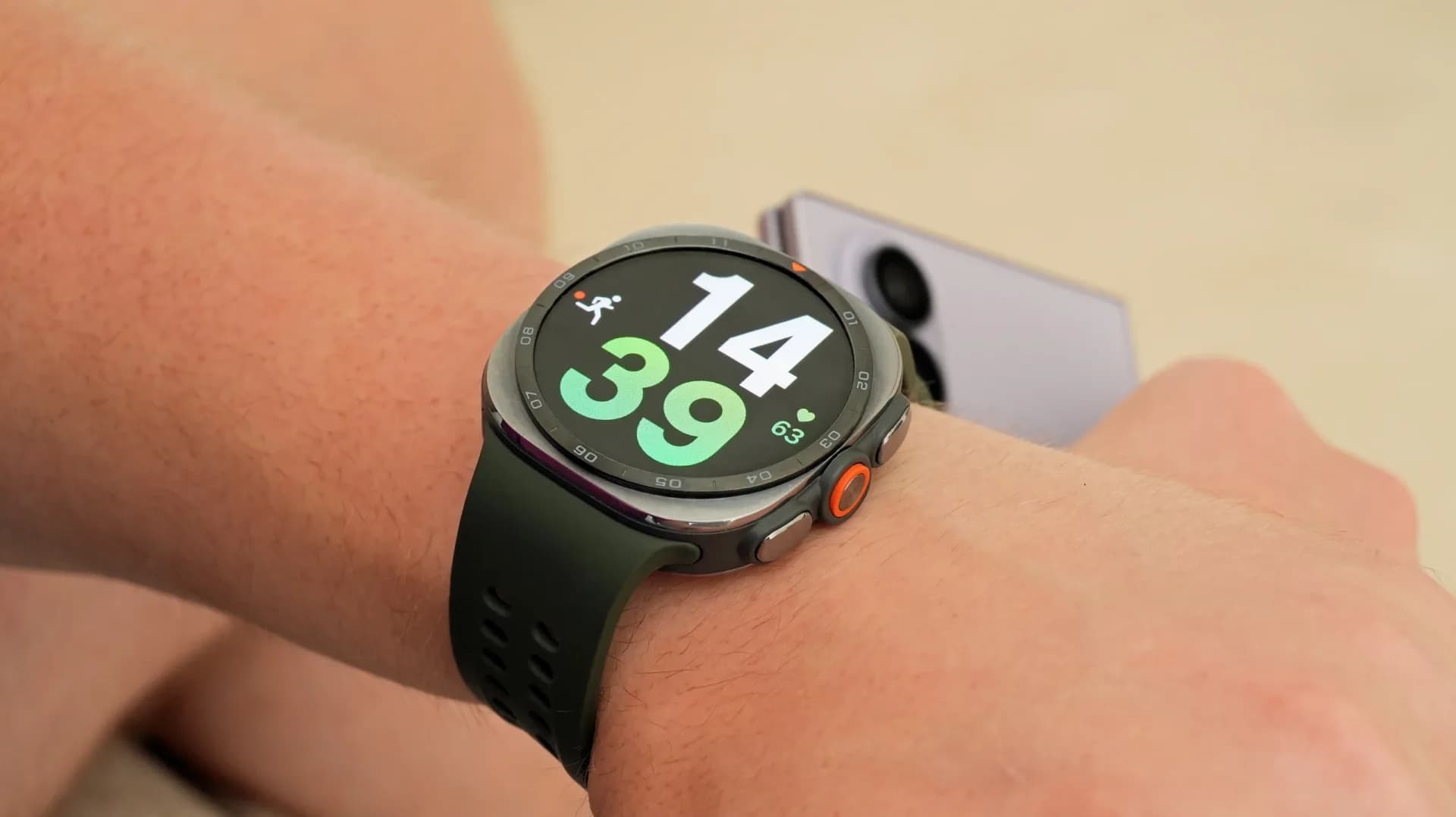
Samsung Galaxy Watch 9 battery life holds at two days — same as Watch 8, but sleep tracking, Vitals, and daily cardio load shift how users think about recovery. It’s not a hardware leap. It’s a recalibration. And it lands while the Galaxy Watch 10 is already in early testing labs, per industry leaks.
The Galaxy Watch 9 launched globally in August 2026. In the US, it starts at $349.99 for the 44mm Bluetooth model. In India, it’s Rs 32,999. Android Authority’s three-month hands-on confirms the larger battery, cited in Samsung’s launch materials, hasn’t translated to longer runtime.
Users still charge every 48 hours. That’s unchanged from the Watch 8. But the software layer has moved. One UI 9 Watch introduces Vitals: overnight monitoring of heart rate, HRV, respiratory rate, skin temperature, and SpO₂ (compared to population norms, not personal baselines).
When metrics drift, the Samsung Health app flags them at wake-up and offers contextual explanations, stress, caffeine, illness, medication, pulled from clinical literature Samsung licensed for this release. Over several flu episodes and migraine flare-ups, Android Authority’s reviewer saw Vitals detect physiological strain before symptoms peaked, HRV dropped two days before fever broke.
Sleeping heart rate spiked 12 hours before headache onset. But the app doesn’t yet adjust daily goals in response. Reminders to hit step targets persist even when vitals are flagged as abnormal, a gap Samsung acknowledges in internal roadmap documents seen by the outlet. Daily cardio load is the other functional pivot.
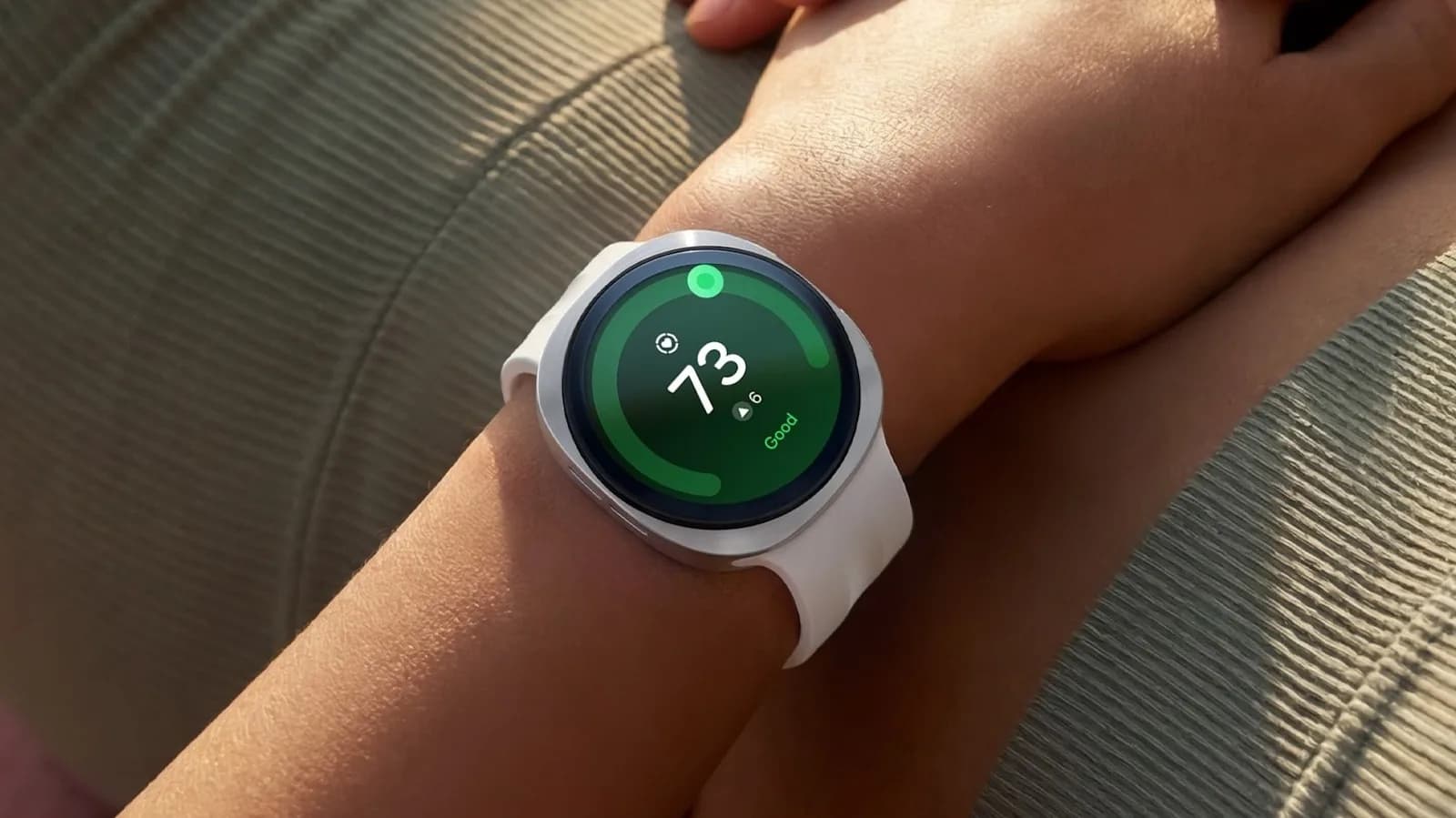
Instead of counting steps, it calculates exertion relative to the user’s heart rate reserve. Activity only counts toward the daily target if intensity hits 40% or more of that reserve. The system then recommends rest, not more movement, when optimal load is exceeded. For people managing chronic pain or fatigue, that’s a meaningful departure from the default ‘move more’ nudge baked into most wearables.
Sleep tracking improves on the Watch 8’s already-strong foundation: fewer false naps, tighter detection of sleep onset and offset, and, critically, sleep efficiency scoring that weights time actually asleep versus time spent lying awake. That matters for users whose conditions fragment REM and deep sleep, like fibromyalgia or insomnia. Samsung hasn’t announced a firmware update to tie Vitals alerts to goal adjustments.
But the feature set signals where the line is moving: away from generic activity volume, toward personalized physiological context. The Galaxy Watch 9 remains on sale globally. No price cut has been announced. Its successor, the Galaxy Watch 10, is expected to launch in Q2 2027.
GDFiled by The Gadgets Desk
Audio, wearables, cameras, tablets, chargers and every other device worth carrying or plugging in.
More from this desk →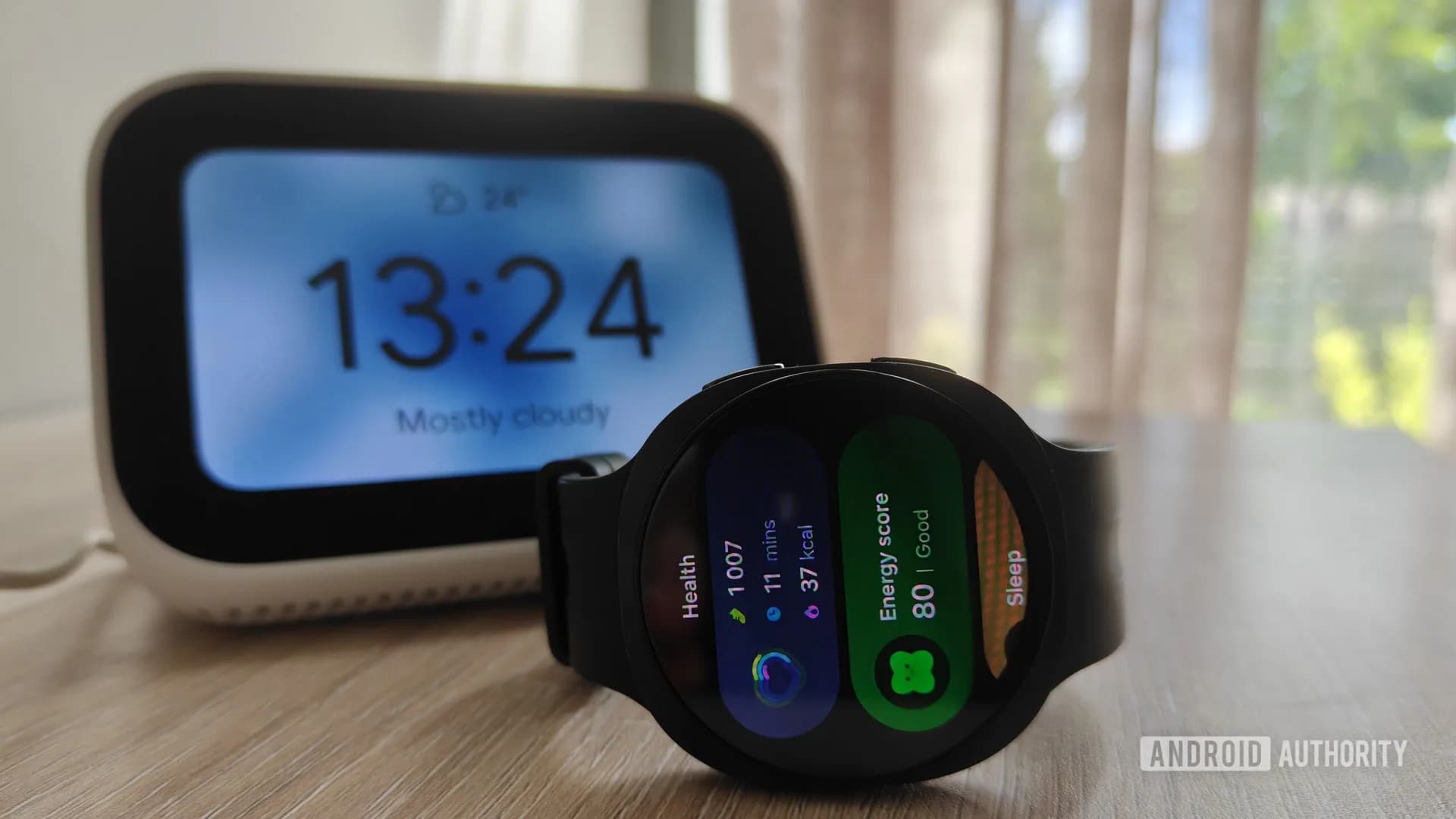
Be the first to comment
Join the argument. No password, just your email or a passkey.