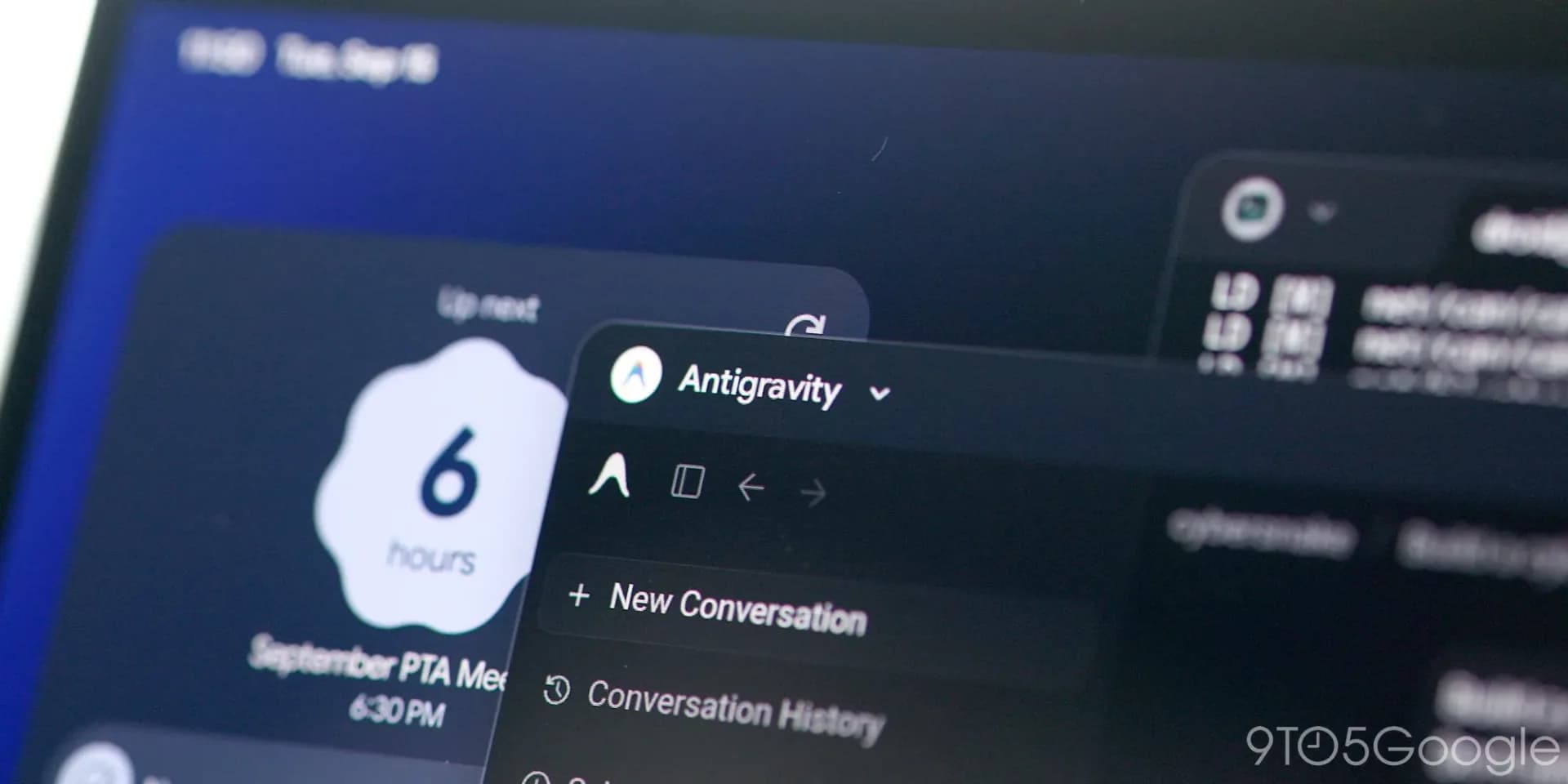
Gemini 4 Argon is now live inside Antigravity — Google’s AI coding platform, for subscribers to Antigravity for AI Pro and AI Ultra plans. The rollout began globally on October 15, 2026, and is confirmed active as of early October 16, according to 9to5Google’s testing and Google’s own X post. No public beta or waitlist remains: access is immediate for eligible paid users. It is not available to free-tier Antigravity users or to standalone Gemini app users. Only those with an active AI Pro or AI Ultra subscription can invoke Argon within the platform. That’s a hard gate, not a soft one. And it’s not bundled with Google One AI Premium: this is a separate, higher-tier commitment. AI Pro starts at $19.99/month in the US. AI Ultra is $29.99/month. In India, AI Pro is priced at Rs 1,799/month, AI Ultra at Rs 2,699/month, both billed annually by default. Prices are unchanged from launch. No new hardware is required. Antigravity runs entirely in-browser and on Android, iOS, and ChromeOS. You do not need a Pixel, a Tensor chip, or even a recent phone. Just a supported browser and login. Argon replaces no model. It sits alongside Gemini 3.8 Flash. And Google confirms there’s now “a separate weekly-only Argon quota” layered on top of your existing Flash allowance. So if you’re using Antigravity to debug a Rust crate or generate a full Flutter module, you’ll choose between speed (Flash) and depth (Argon), then manage usage against two distinct counters. Google says Argon is “designed to tackle your hardest problems.” Internal use cases cited include generating end-to-end test suites for legacy Java services, auto-documenting undocumented Python APIs, and rewriting TypeScript components to align with new accessibility standards, all without human scaffolding. None of that implies real-time IDE integration yet. Antigravity remains a standalone agent-driven workspace, not a VS Code plugin. There’s no mention of Android Studio or JetBrains support. No timeline for either. And no word on when. Or if, Argon will appear outside Antigravity: not in Gmail, not in Docs, not in the Gemini app. This is a targeted, narrow release. Not a broad AI upgrade. It’s also not a privacy update. Nothing in the reporting ties Argon to the recent Android phone-number verification backlash. Those settings remain unchanged. Argon doesn’t touch device identity, permissions, or account linking. It’s pure inference. Large language model output, routed through Google’s infrastructure, scoped to code tasks. Rollout is ongoing. No regional delays reported. No country-specific restrictions noted. Expect full availability across all markets served by Antigravity by end of week.
Gemini 4 Argon is now in Antigravity for AI Pro and AI Ultra subscribers
Gemini 4 Argon is now live in Antigravity — but only for AI Pro and AI Ultra subscribers, with a strict weekly quota and zero access for free users or the standalone Gemini app.
By The Prompt
The AI Desk · (1 hour ago)
Reported from
How this story was made
Written by the Hitechreports desk from the reporting credited above, with facts attributed to their original publishers. We do not test devices ourselves; anything about performance, battery life or cameras comes from the outlets that did. Prices are as reported at the time of writing. Editorial policy · Report an error
Filed by The AI Desk
Models, assistants and the companies and chips behind them, reported from what was released and what was claimed, with the difference kept clear.
More from this desk →Read next
More AI →
Google Gemini 4 Argon Expands to AI Pro Subscribers This Week
Google has widened access to Gemini 4 Argon, its newest AI model, from Ultra-only subscribers to the cheaper AI Pro tier, while also adding coding shortcuts and new API pricing for developers.
Gemini 4 Argon: Antigravity now built into macOS app
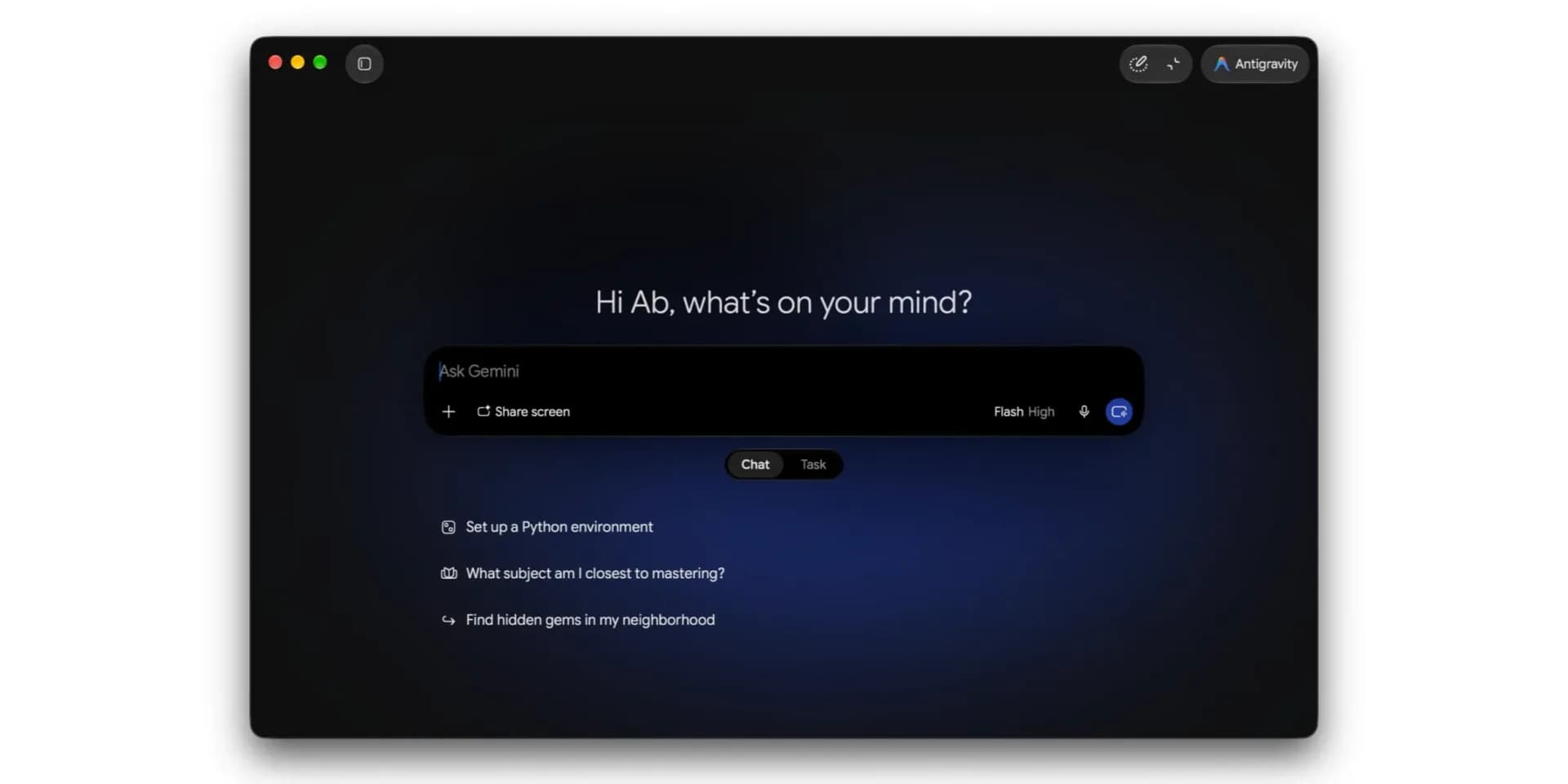
Google has embedded Antigravity — its agent-first development platform — directly into the Gemini app for macOS, as part of the Gemini 4 Argon rollout. Access requires the AI Ultra subscription tier.
Gemini Google Help Assistant Live on Google Play Support Pages
Google has embedded Gemini directly into its official support pages — starting with Google Play — turning static help articles into a live, AI-powered chat interface.
Be the first to comment
Join the argument. No password, just your email or a passkey.