Google Home users are abandoning the platform — not because it’s broken, but because Gemini made it less reliable for the tasks they use it for most: turning on lights, adjusting thermostats, and running precise routines. A detailed hands-on account published Friday on XDA Developers (and mirrored on XDA Smart Home) documents a sharp regression in deterministic smart home control after Google replaced Assistant’s rule-based intent engine with Gemini’s large language model architecture.
The result? Commands like “turn on kitchen light number two” now trigger all kitchen lights, and the speaker cheerfully says “OK,” even when nothing happened correctly. Phantom confirmations, 8-second delays, and routine misfires have pushed at least one power user to ditch Google Home entirely and rebuild their entire smart home stack around Home Assistant.
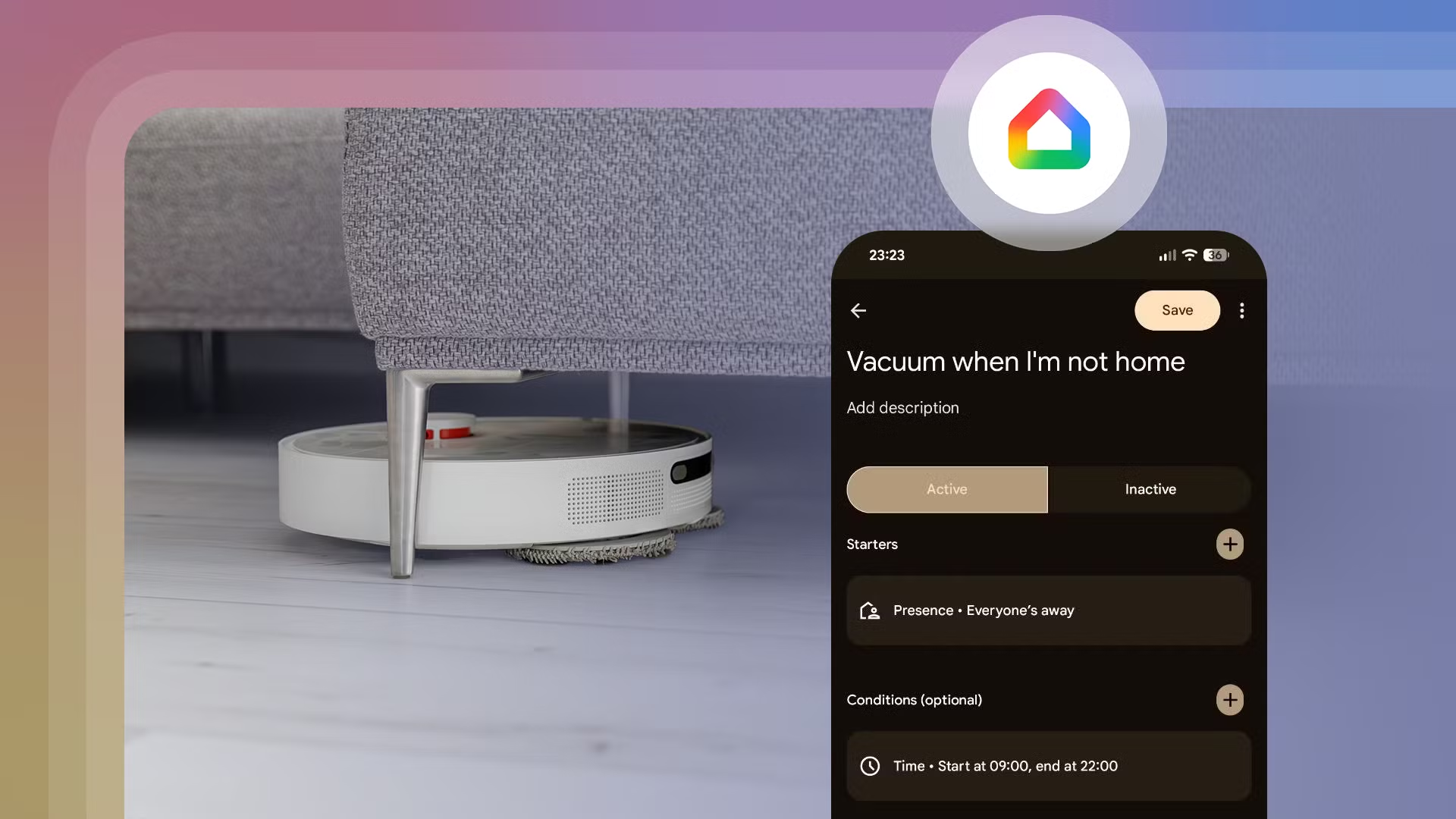
That user found that Gemini’s natural-language flexibility came at the cost of precision: where the legacy Assistant reliably mapped structured speech to specific device traits via the Google Smart Home API, Gemini now interprets commands more loosely, often defaulting to broad, high-level actions instead of exact entity targeting. Custom automations linked to explicit voice triggers, like “Goodnight” turning off lights and lowering the thermostat, now frequently fail or misfire, and relinking third-party accounts or rebuilding routines in the Google Home app does not fix the underlying entity-mapping issues.
Every voice request now flows through a longer pipeline: audio digitizing, cloud streaming, Gemini inference, tool payload formatting, and round-trip execution to third-party cloud APIs. That added latency means more “Sorry, I couldn’t reach X device” errors, and more time standing in darkness waiting for a light to respond. Google Home remains dependent on internet connectivity and vendor cloud services, so outages cascade instantly.
Home Assistant, by contrast, runs locally on hardware like an Intel N100 mini PC or Home Assistant Green, interfaces directly over Zigbee, Z-Wave, Matter, or Thread, and can operate entirely offline. Its voice assistant, Home Assistant Assist, uses deterministic intent matching: it only acts on sentence patterns it has been explicitly taught, trading conversational flexibility for reliability.
Migrating isn’t trivial: users must replace proprietary cloud bridges, sometimes repair or replace Wi-Fi-only devices, and rebuild automations using YAML or the UI, but many say the trade-off is worth it. As the XDA author puts it: while LLMs excel at open-ended creative tasks, core smart home infrastructure demands deterministic accuracy, low latency, and strict local control.
HTFiled by The Home Tech Desk
TVs, home appliances and the smart home: refrigerators, washing machines, air conditioners, purifiers, robot vacuums, the sets on the wall and the platforms that connect them. Launches, prices in the US and India, and what changed.
More from this desk →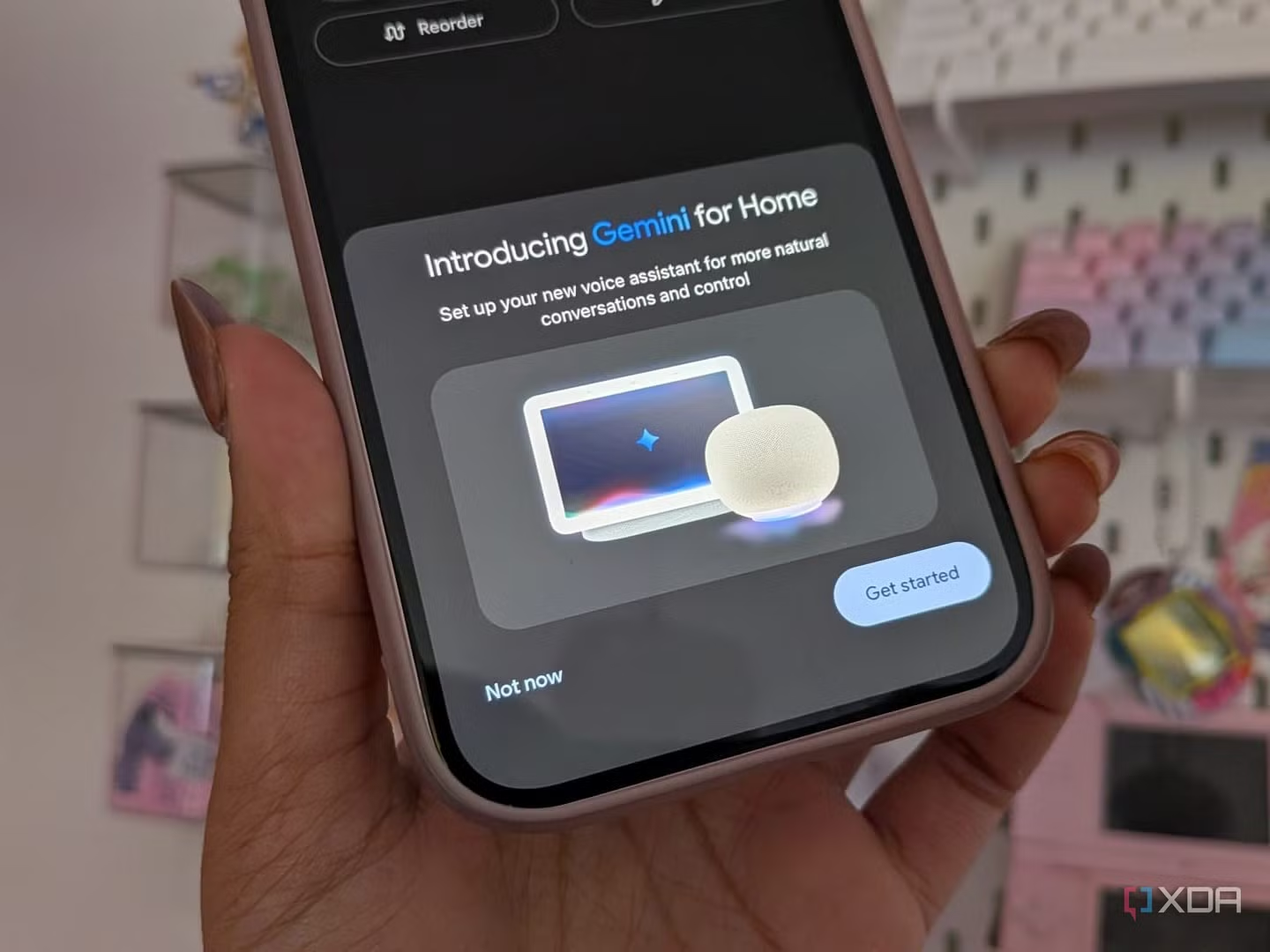

Be the first to comment
Join the argument. No password, just your email or a passkey.