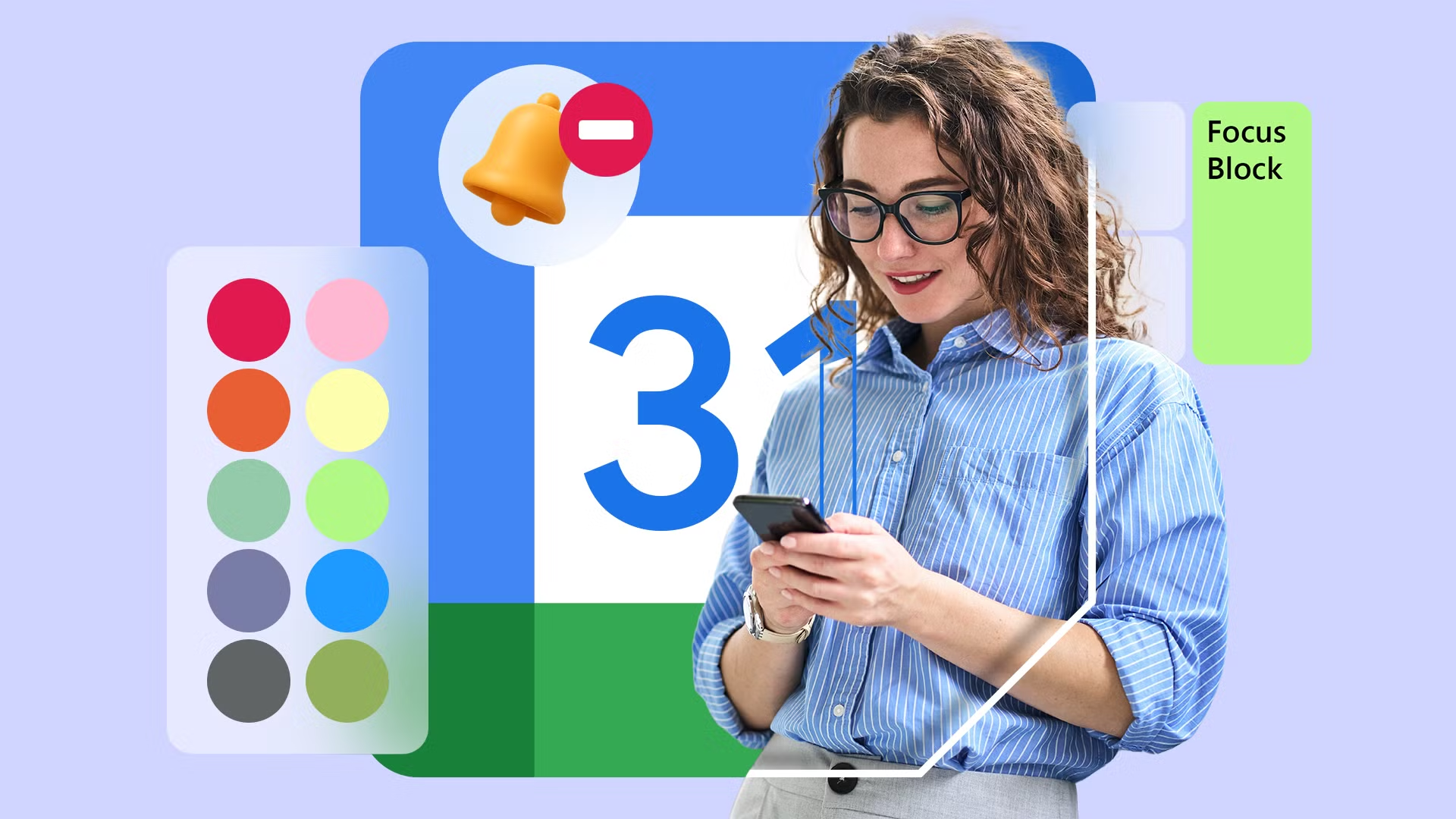
Google Calendar just got four quiet upgrades that change how people actually use it — no new app, no headline-grabbing launch, just tweaks that reshape daily planning for active users. These aren’t beta features or limited rollouts. They’re live, global, and available to anyone with a Google account right now. No update required: they’re already in the web app and Android/iOS versions as of October 2026. And yes, they’re all accessible from the free tier, except one key limitation on appointment scheduling. The secondary time zone display is live in day view: a vertical column beside your main calendar grid showing another region’s local time in real time. It’s not buried in settings. It’s toggled under “Settings > General > Secondary time zone”. You pick one (say, IST if you’re in New York), and it stays visible while you scroll. No more mental math or tab-switching to world clocks. Overlap windows become instantly legible. For remote teams across India, the US, and Europe, that’s not convenience, it’s fewer 3 a.m. Invites. Task time blocking is now fully baked into the calendar UI. Drag a Google Task into any open slot, assign start/end times, and it renders as a solid block. Same visual weight as a meeting. It respects existing events, shows up in shared calendars (if permissions allow), and moves fluidly when you drag it. Free accounts get this. No subscription needed. What does require Google One or Workspace? Creating more than one active appointment scheduling link. Personal accounts can run only one booking page at a time, say, for client calls. But can’t also run a separate one for team check-ins without upgrading. Workspace users get unlimited pages, custom branding, and duration presets per link. Color-coding has shifted from category labels (“Work”, “Family”) to cognitive mode labels (“Deep Focus”, “Collab”, “Admin”). That’s not a feature toggle, it’s a usage shift encouraged by the interface: colors now appear alongside event titles in list view and hover tooltips, making them glanceable even on small screens. Android Police’s tester used red for concentration blocks and avoided scheduling calls on red-heavy days. That’s not speculation. It’s what the tool enables. And what users are already doing. None of these changes ship with new marketing copy or splash screens. They’re not in Google’s official “What’s New” feed. But they’re live, global, and free, except where noted. Next up? Google says appointment scheduling for Workspace users will gain recurring availability rules later this quarter. Meaning you could set “Tuesdays and Thursdays, 10–12 a.m. PST” once, and have it auto-apply to every new booking page. That detail comes from an internal Google Workspace roadmap shared with enterprise partners, not public documentation. So it remains unconfirmed for consumer rollout.
Google Calendar app gets four quiet upgrades that fix real scheduling problems
No new app. No press release. Just four live, global upgrades to Google Calendar that quietly fix real scheduling pain points — time zones, task overload, meeting coordination, and focus management.
By Pocket
The Mobile Desk · (3 hours ago)
Reported from
How this story was made
Written by the Hitechreports desk from the reporting credited above, with facts attributed to their original publishers. We do not test devices ourselves; anything about performance, battery life or cameras comes from the outlets that did. Prices are as reported at the time of writing. Editorial policy · Report an error
Filed by The Mobile Desk
Phones from leak to launch to price cut: what was announced, what it costs where, and when it goes on sale. Indian launches and prices included, not appended.
More from this desk →Read next
More Smartphones →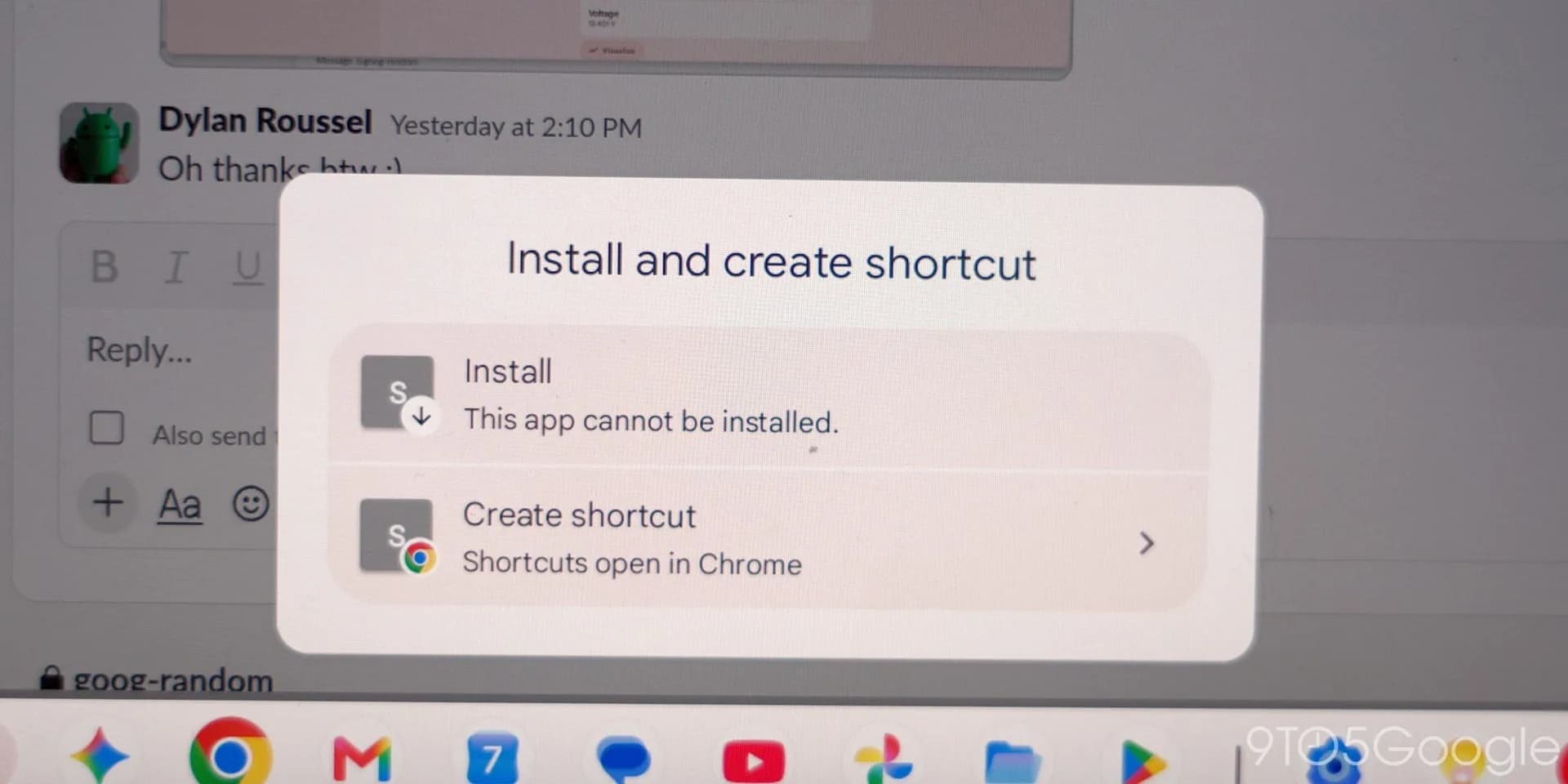
Chrome 155 Lets Googlebook Users Turn Any Website Into a Desktop App
Google is rolling out Chrome 155 for Googlebooks, letting users turn any regular website into a standalone windowed desktop app with full support for accounts and browser extensions.
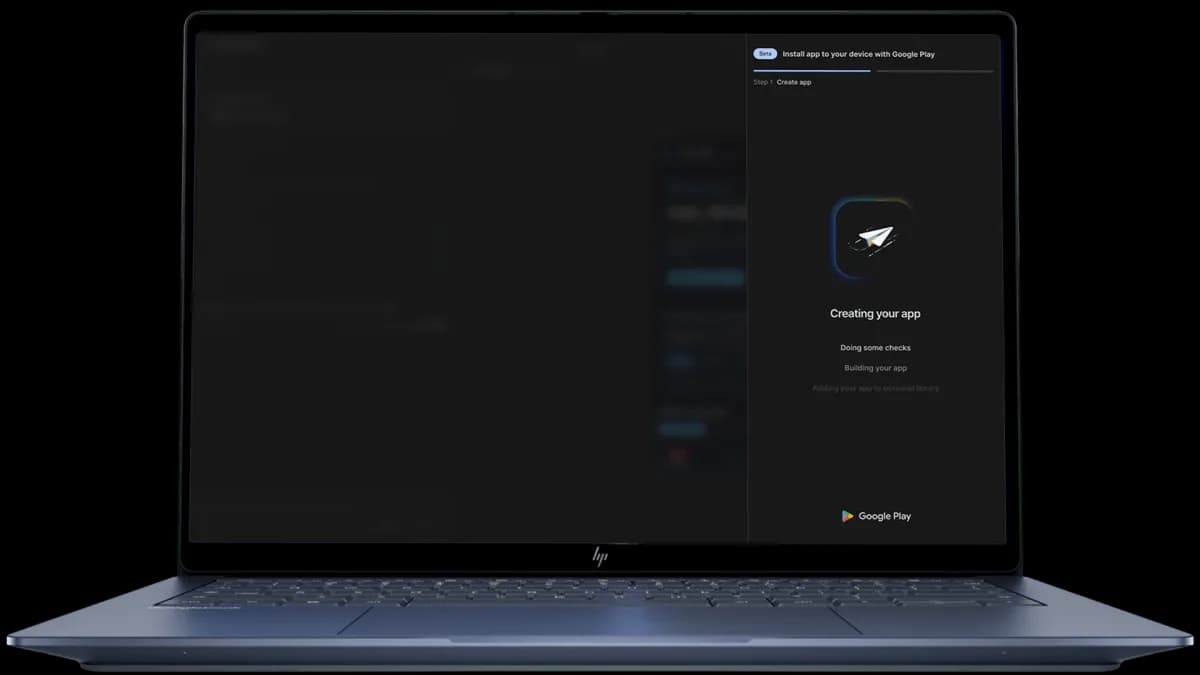
Google Play Store Lets Users Run Private AI Apps On Android
Google Play now lets users run private, AI-generated Android apps on their own devices without public listings. The initial rollout starts in the US for adults alongside new gaming discovery tools.
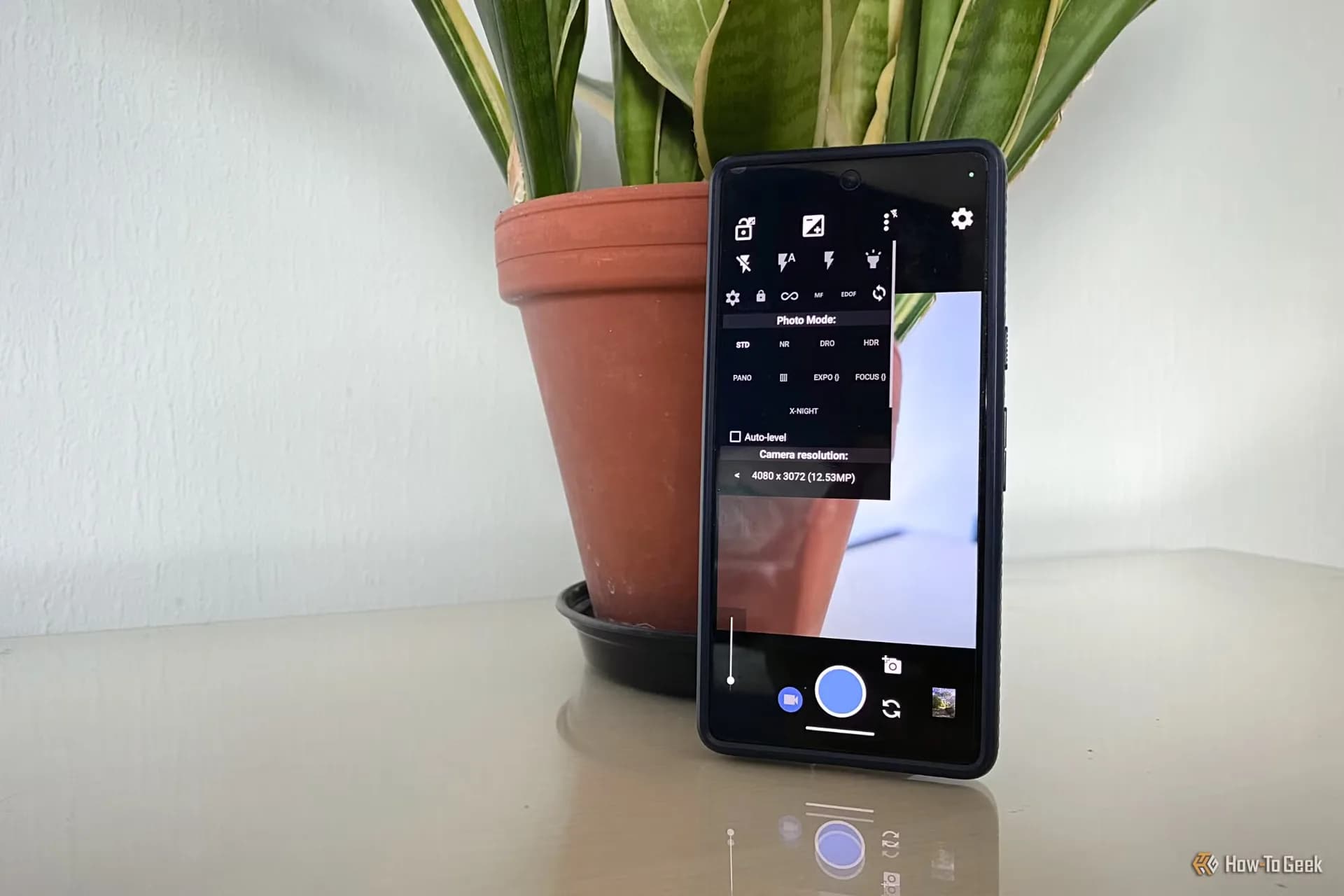
Open Camera Lets Pixel Users Bypass Heavy Google AI Photo Processing
Google Pixel smartphones rely heavily on computational photography to brighten dark scenes and sharpen snaps. For photographers wanting raw capture and unboosted JPEGs, the open-source Open Camera app provides a manual alternative.
Be the first to comment
Join the argument. No password, just your email or a passkey.