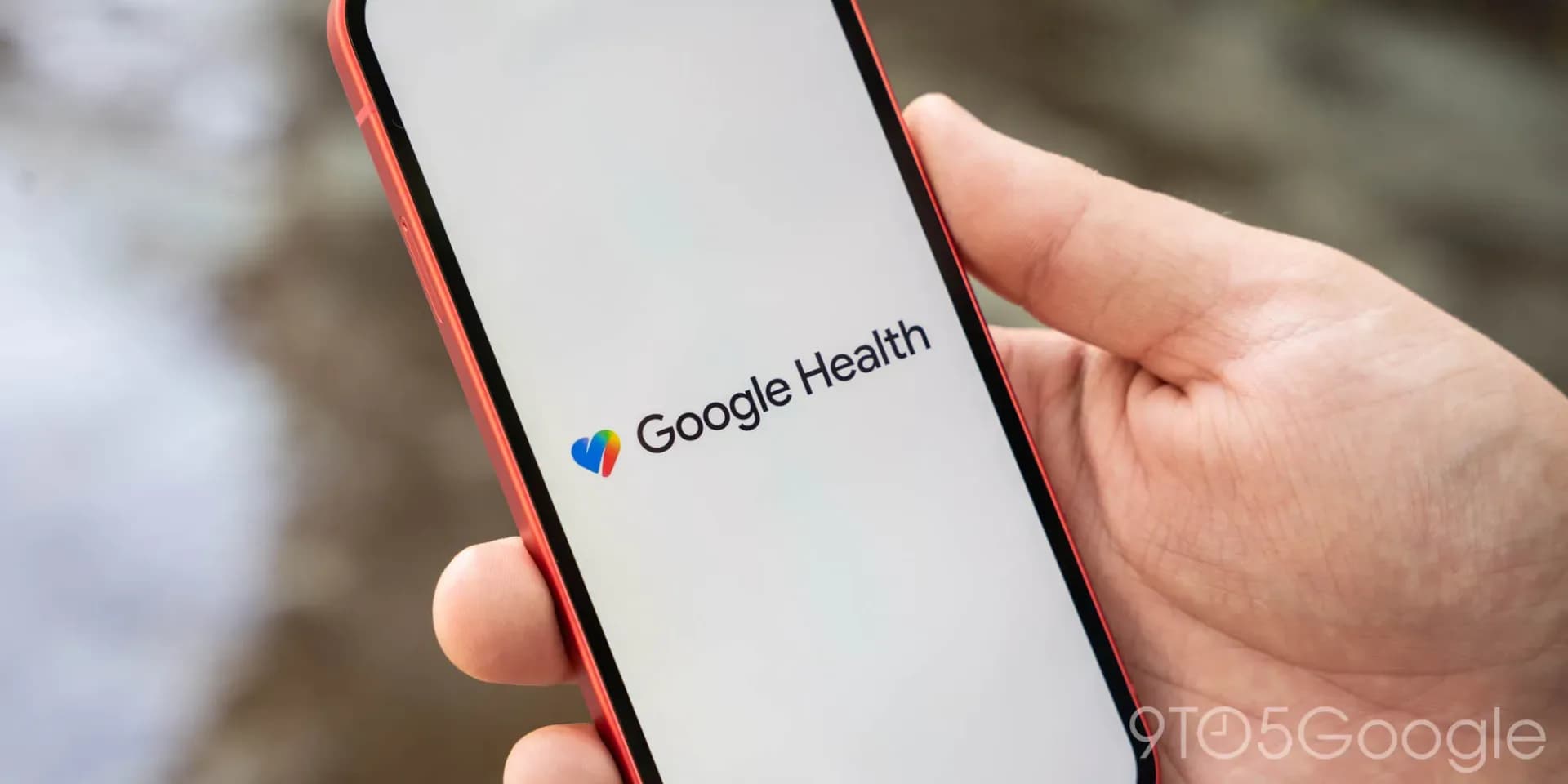
Google Health 5.10 is live on iOS and rolling out to Android users this week — a modest but pointed update focused on Japan, sleep personalization, and user control over logged data. No new hardware. No global rollout of the AFib detection. Just three changes, each with clear boundaries: one regional, one algorithmic, one conversational. It arrives quietly, no press release, no keynote slide. As Google continues to treat Health not as a consumer-facing flagship app but as infrastructure: functional, incremental, and tightly scoped. The Irregular Rhythm Notification feature is now available only in Japan, and only on Pixel Watch and Fitbit devices. It runs passively during stillness or sleep, scanning for atrial fibrillation patterns. Users must opt in via the Health tab inside the Google Health app, it doesn’t auto-enable. Support remains device- and market-locked. There’s no mention of expansion to Wear OS watches from other brands, nor to the US, EU, or India. Meanwhile, the Readiness Score. Google’s composite metric for daily physical preparedness, now pulls in additional sleep signals. The update doesn’t specify which ones (e.g., REM latency, heart rate variability depth, movement fragmentation), only that the weighting has shifted to make the score “more personalized.” That’s a quiet tweak to a feature already criticized for opacity. And one that still lacks public documentation on how inputs translate to output. The third change is the most user-facing: voice- and text-based deletion. If you log a run, meal, weight entry, or symptom via Google Health Coach, the AI assistant built into the app. You can now say or type something like “Delete the run I logged this morning” and it’ll vanish. Medical records remain off-limits. So do manual entries made outside the coach interface. This isn’t bulk deletion. It’s surgical, contextual, and limited to what the coach itself handled. There’s no pricing. No hardware dependency beyond existing Pixel Watch and Fitbit models sold in Japan. No Indian or US launch window cited. No mention of regulatory clearance elsewhere, just a Help Center link for Japan-specific setup. What happens next? Rollout continues for Android users. Japanese users with compatible wearables will see the AFib toggle appear in-app. Everyone else waits. For clarity on Readiness Score methodology, for broader AFib availability, or for the next version to nudge the needle again.
Google Health 5.10 Adds AFib Detection in Japan, Smarter Readiness Score, and Voice-Driven Deletion
No fanfare. No global launch. Just three targeted updates — one locked to Japan, one refining sleep math, one letting you talk your mistakes away.
The Software Desk · (2 hours ago)
Reported from
How this story was made
Written by the Hitechreports desk from the reporting credited above, with facts attributed to their original publishers. We do not test devices ourselves; anything about performance, battery life or cameras comes from the outlets that did. Prices are as reported at the time of writing. Editorial policy · Report an error
Filed by The Software Desk
Apps, platforms, operating system releases, security fixes and the features arriving in them.
More from this desk →Read next
More Apps & Software →
Google Messages in-chat games: Chess, Cup Pong, Basketball
Google Messages is adding built-in games — including Chess, Cup Pong, Basketball, and Word Scramble — as part of an internal project codenamed Midnight, according to strings found in the app’s latest open beta build.
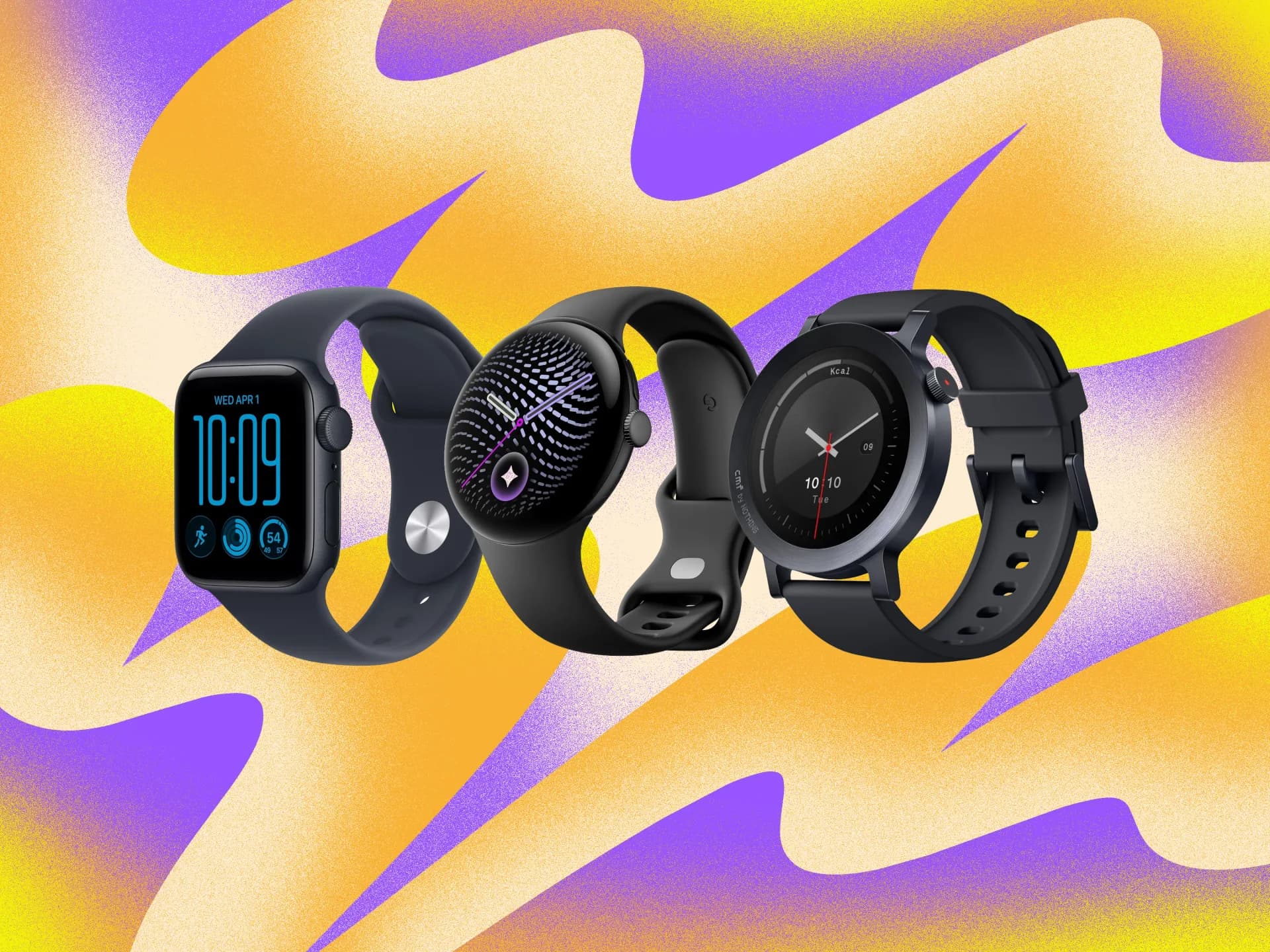
Samsung Watch deals lead Prime Day wearable sales
Apple Watch Series 12 is listed at roughly fifty dollars off on Amazon Prime Day, according to WIRED. The Pixel Watch, Samsung’s Watch8 and Watch7, plus budget picks like the CMF Watch 3 Pro, Casio solar model and RingConn Gen 2 Air are all reduced. WIRED’s reviewers tested and vetted each item. The sale runs for two days only, so prices may change soon.

Fake Claude AI Ads Use Bing Redirects to Target Mac Users
A deceptive ad campaign targeted Mac users searching for Claude AI by routing sponsored Google links through Bing's tracking infrastructure to push clipboard-swapping terminal malware.
Be the first to comment
Join the argument. No password, just your email or a passkey.