Google has not given its flagship cameras a sweeping optical revamp since the Pixel 6 introduced a 50MP primary sensor in 2021. The company added a 5x telephoto camera later, but recent Pixel generations have mostly stuck with modest optical revisions. While rival hardware makers chase 1-inch main sensors and 200MP zoom lenses, the Google Pixel 10 relies on a different sales pitch. Instead of battling over sensor dimensions, Google is betting on local Tensor silicon to handle complex tasks right on the phone.
Most Android manufacturers still route user prompts and artificial intelligence workloads to remote cloud servers. Google takes an opposing approach across the Pixel 9 and Pixel 10 families, running a broad roster of tools directly on the device.
The immediate payoff is speed. Gboard voice typing on Pixel devices translates spoken words into text almost instantaneously without buffering. On the Pixel 9 and newer models, the keyboard accepts spoken instructions to delete text, insert emoji, format punctuation, and dispatch messages.
On-device processing and Gemini Nano
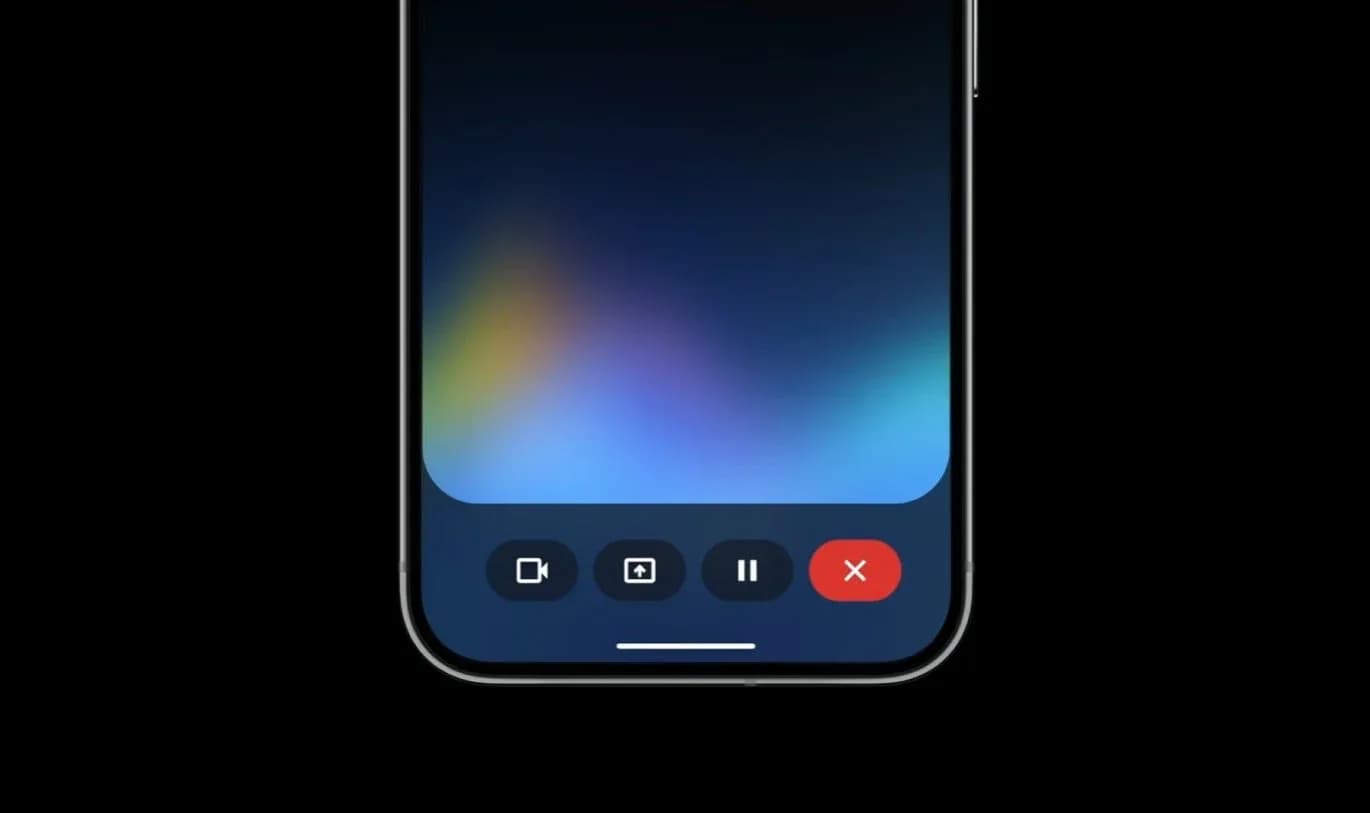
That local architecture handles privacy-sensitive features as well. Pixel 9 and Pixel 10 devices run Google's Gemini Nano model directly on hardware to drive Call Notes. The tool generates automated summaries and highlights key action points while transcribing active phone calls in real time. Processing that audio locally removes data latency and prevents personal conversations from leaving the handset.
The Recorder app relies on the same local processing framework. It delivers fast live transcriptions, separates distinct speakers, and assigns automated labels without pinging an external server. A long list of platform features leans on the same hardware foundation, including Call Screening, Live Caption, Now Playing, Pixel Studio, Pixel Screenshots, and Smart Reply.
With the Pixel 10, Google extended the approach to Magic Cue, an assistant tool that detects context to surface timely details. When a user contacts an airline about a reservation, Magic Cue pulls flight data directly onto the call interface. In messaging threads about meeting for dinner, it brings up restaurant bookings. While Magic Cue on the Pixel 10 has fallen short of its initial promise in practice, the entire framework still operates locally.
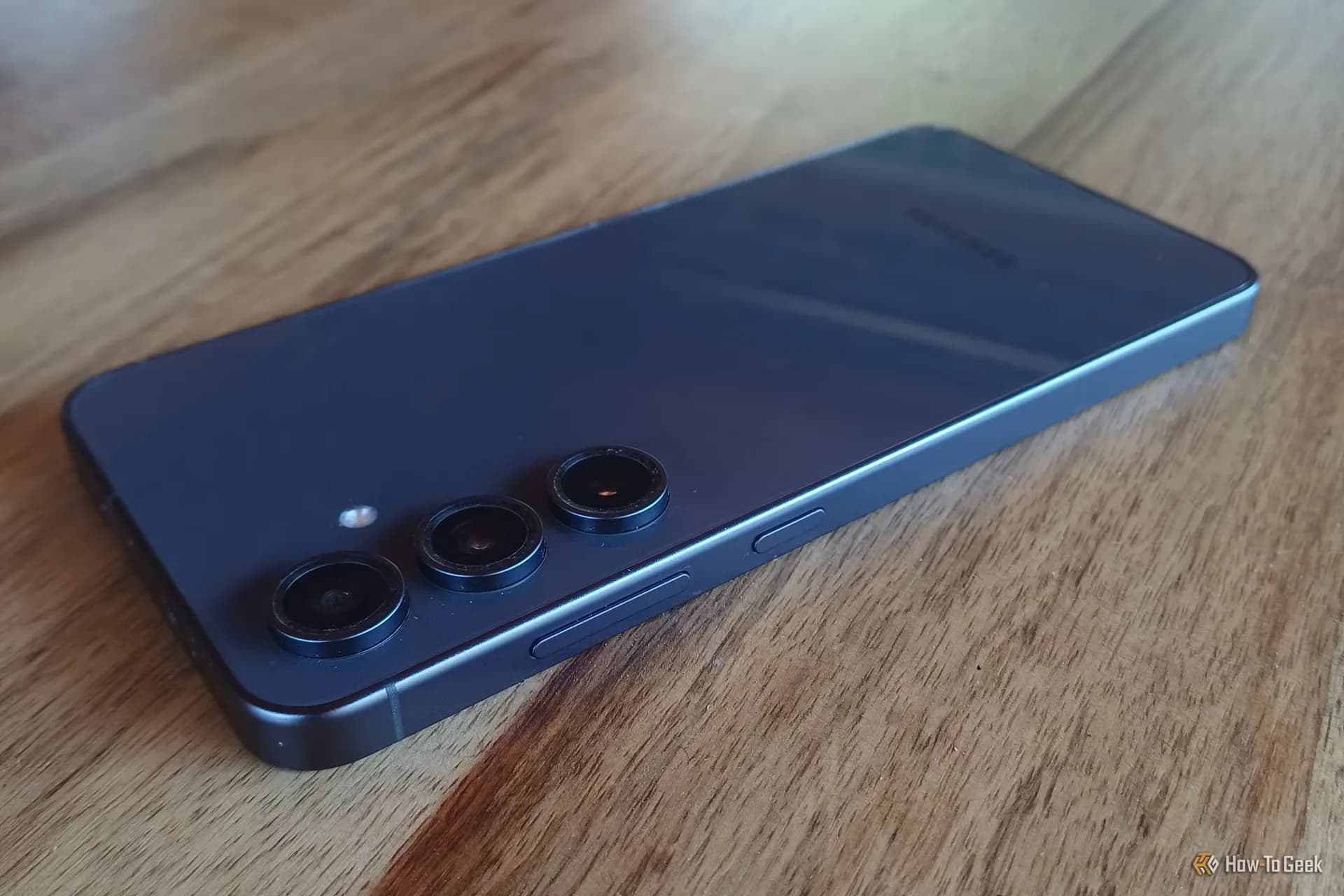
Samsung provides on-device options for select Galaxy AI utilities, but Google's control over both Android and its custom Tensor chips provides deeper system integration. Rival flagships may capture higher-resolution telephoto frames with massive glass, but Google is wagering that immediate, local execution of daily software tools matters more to owners over years of ownership.
MDFiled by The Mobile Desk
Phones from leak to launch to price cut: what was announced, what it costs where, and when it goes on sale. Indian launches and prices included, not appended.
More from this desk →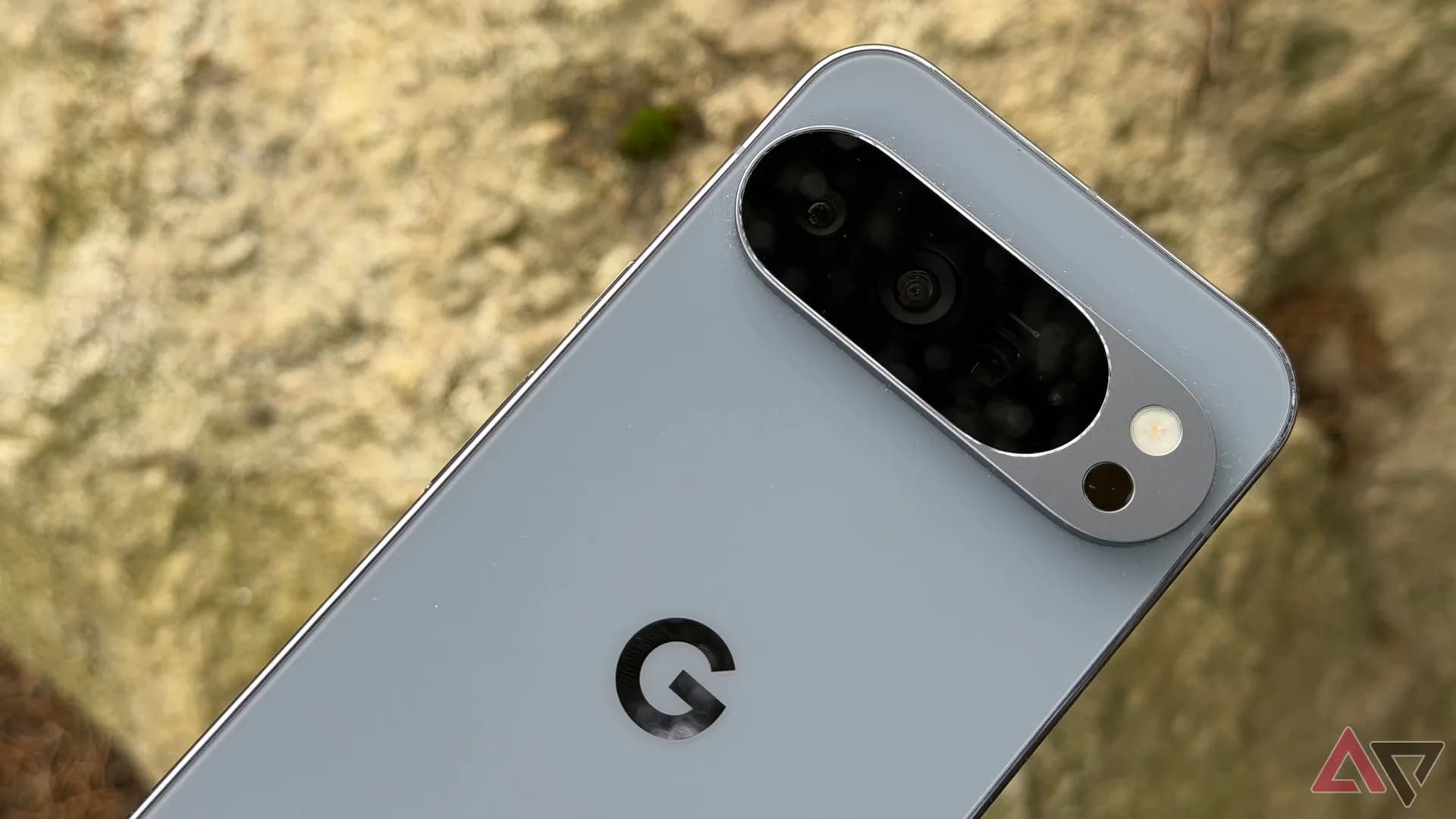
Be the first to comment
Join the argument. No password, just your email or a passkey.