You no longer have to publish software to billions of people just to use a custom tool on your phone. Starting Tuesday, Google Play allows Android owners to install and run their own personal, AI-generated applications directly on their smartphones without publishing them to the public catalog.
The feature lets people create software through Google AI Studio and run it using their regular Google profile. These creations remain completely hidden from search results and storefront categories. Nobody else can find or download them.
Until now, testing or running a native Android build on a handset through Google's official channels meant releasing it to the Play Store's estimated 3 billion users. That public friction pushed many people experimenting with AI coding toward web tools rather than native mobile builds. Under the new setup, individuals get native mobile access while skipping the public storefront entirely, though Google notes the software must still follow standard platform policies.
The initial rollout is restricted to adults aged 18 and older in the United States.
Private Circles and Public Upgrades
Google plans to widen the scope of these private builds over the coming months. The company confirmed that users will soon be able to share their personal software with small groups of trusted contacts, such as family members, friends, or local sports leagues, without opening the files to the broader public.
If a private project picks up real momentum within a circle, Google will provide an upgrade path. Creators will be able to submit their builds through standard trust and safety reviews, turning a private project into a public Google Play Store app listing for anyone to install.
Sam Bright, Google's vice president and general manager for Google Play and Developer Ecosystem, framed the shift as a move from "there's an app for that" toward "there's an app for me."
Discovery Overhauls and Ask Play
The personal app pipeline lands alongside several broader updates to Google Play's discovery setup. Google is launching Game Finder, an AI-powered recommendation system initially available in English for American players. The system draws on play habits across an audience of 1.2 billion gamers to suggest titles based on specific player tastes.
The storefront is also adding user-curated game collections, a Community Posts area for asking game questions, and 48-hour competitive challenges known as Sprints.
Meanwhile, the built-in Ask Play assistant can now generate side-by-side comparisons between competing apps to highlight specific feature differences. Gemini conversations are gaining deeper links to Google Play apps and games as well. For families, an age-range setting lets parents provide developers with a child's age bracket rather than an exact birthday, keeping birth dates private while tailoring store experiences.
For now, the private app pipeline remains a US exclusive, with group sharing scheduled to roll out in the months ahead.
SDFiled by The Software Desk
Apps, platforms, operating system releases, security fixes and the features arriving in them.
More from this desk →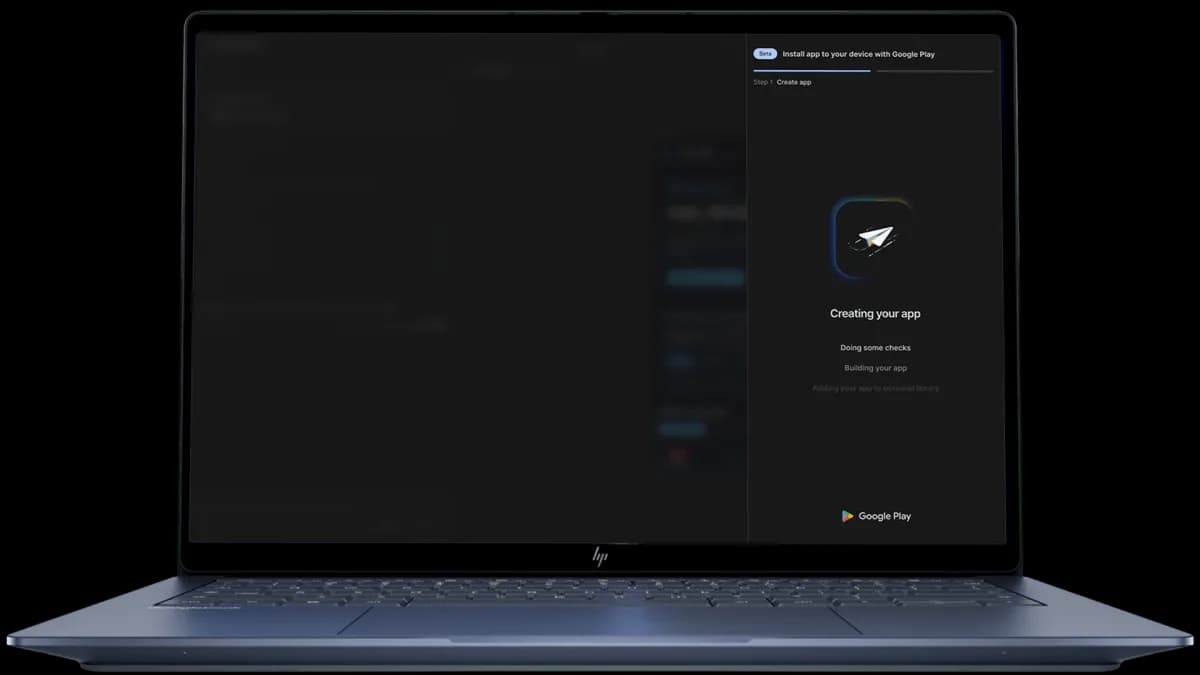

Be the first to comment
Join the argument. No password, just your email or a passkey.