Google used to sell Pixel smartphones to people who wanted straightforward Android software without manufacturer clutter. Fast updates and unbloated software defined the line, carrying forward the reputation built by the earlier Nexus program.
That identity has shifted. Google now treats the Pixel lineup primarily as a delivery vehicle for Gemini.
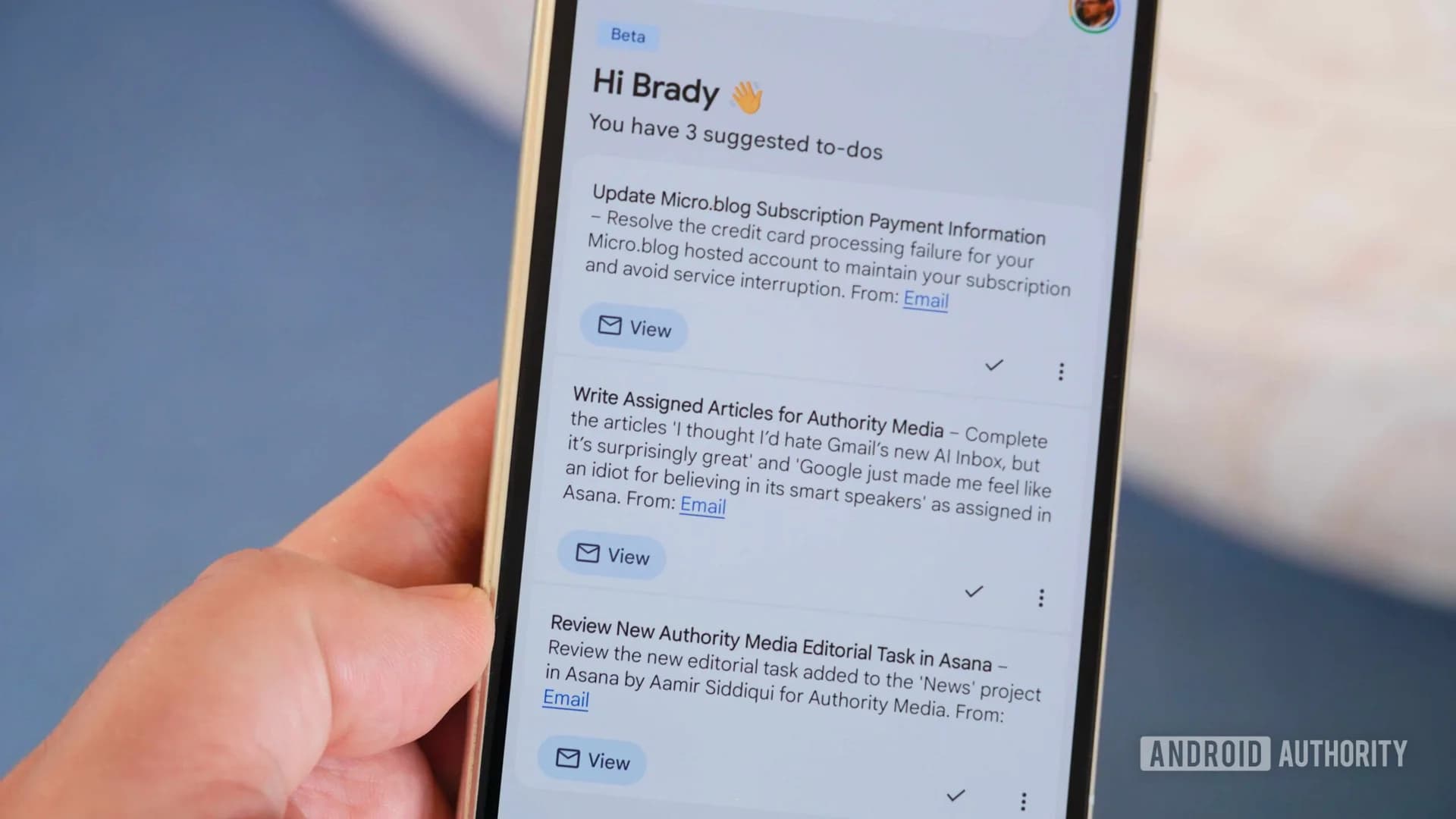
The shift puts the hardware in an awkward spot. Google demonstrated Gemini manipulating third-party apps and even constructing new mini-apps on command, alongside pitch materials promising an assistant that manages schedules and directs smart home gear. In practice, substituting Google Assistant with a conversational AI model has created friction on routine voice controls. Setting a basic timer — a voice function that worked reliably for over a decade, now feels unpredictable.
Messaging and system toggles show similar issues. Ask the phone to send a quick text to a friend, and Gemini might just open a blank chat window instead of drafting the words. Command it to toggle a device setting, and the software frequently returns a lengthy paragraph explaining how to adjust the menu manually rather than executing the command directly. For users accustomed to prompt background voice execution, the interaction ends up demanding more physical taps than performing the task by hand.
Generative media tools have deepened that divide. When Google introduced the Pixel 9 series, it highlighted Pixel Studio, an image-generation app that quickly drew scrutiny for generating distorted visuals and bizarre interpretations of straightforward prompts. The company has since expanded those creative options into generative audio and video production. Yet those additions cater to novelty rather than the core utility that defined the platform's early appeal.
Shifting Value Against Rivals
The software pivot lands at a time when Pixel hardware no longer enjoys an automatic competitive pricing buffer. Google previously priced its phones well below rival flagships, offsetting modest silicon benchmarks with affordability and prompt operating system patches.
That price gap has largely vanished. Flagship Pixels now sit directly against equivalent hardware from Samsung and Apple without holding a definitive power lead. Samsung counters with sturdy construction and long software commitments, while Motorola competes aggressively on lower price tiers. Apple retains its tight ecosystem integration.
Buyers uninterested in generative chatbots can still disable most of Gemini's integration across the operating system. Doing so, however, exposes the dilemma at the heart of modern Pixel ownership. When the generative additions are stripped away, owners are left paying premium rates for hardware that has traded reliable voice utilities for generative experiments.
Google continues expanding Gemini's system-level control across upcoming software builds, ensuring the assistant remains central to its future mobile strategy.
MDFiled by The Mobile Desk
Phones from leak to launch to price cut: what was announced, what it costs where, and when it goes on sale. Indian launches and prices included, not appended.
More from this desk →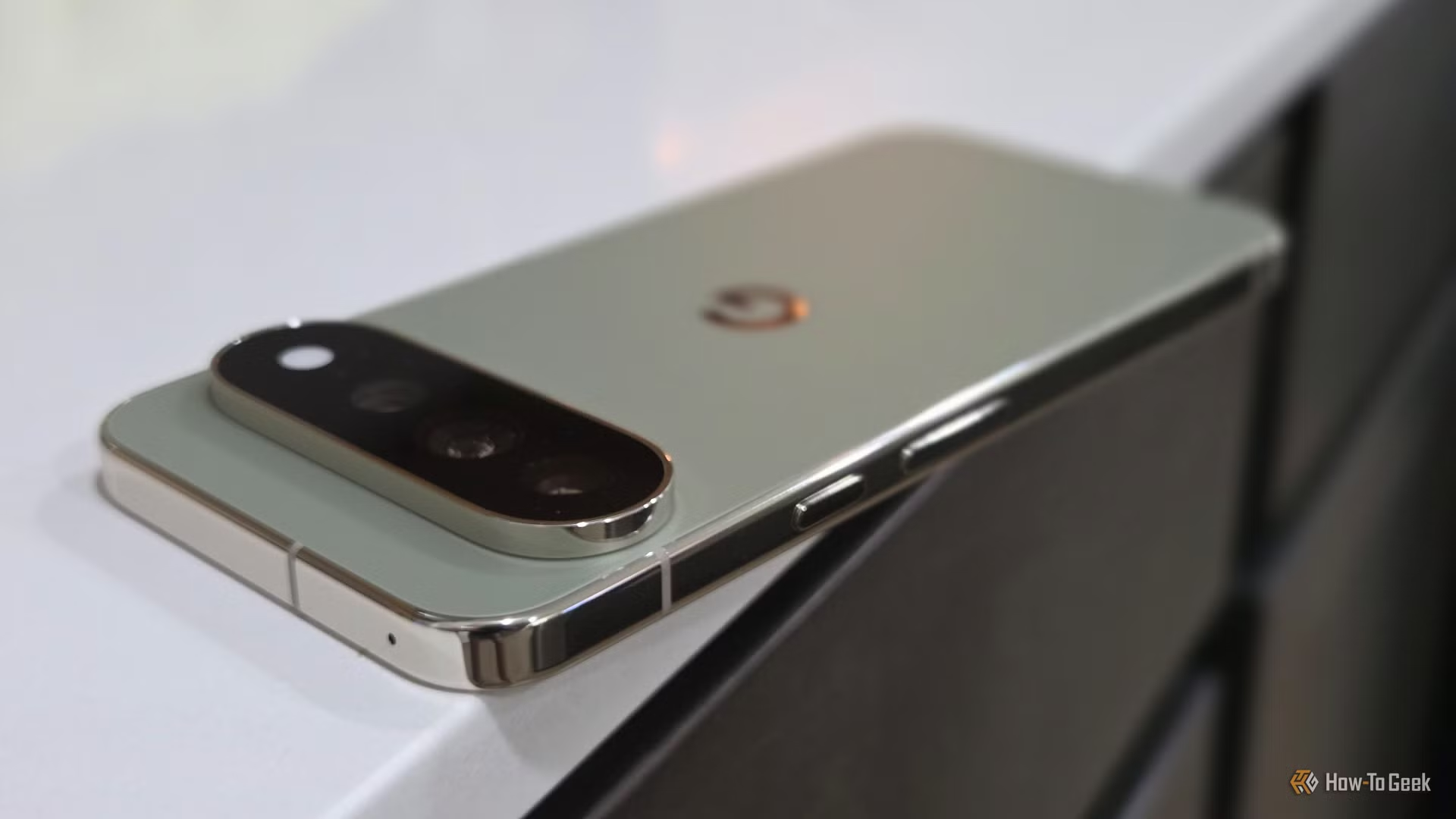
Be the first to comment
Join the argument. No password, just your email or a passkey.