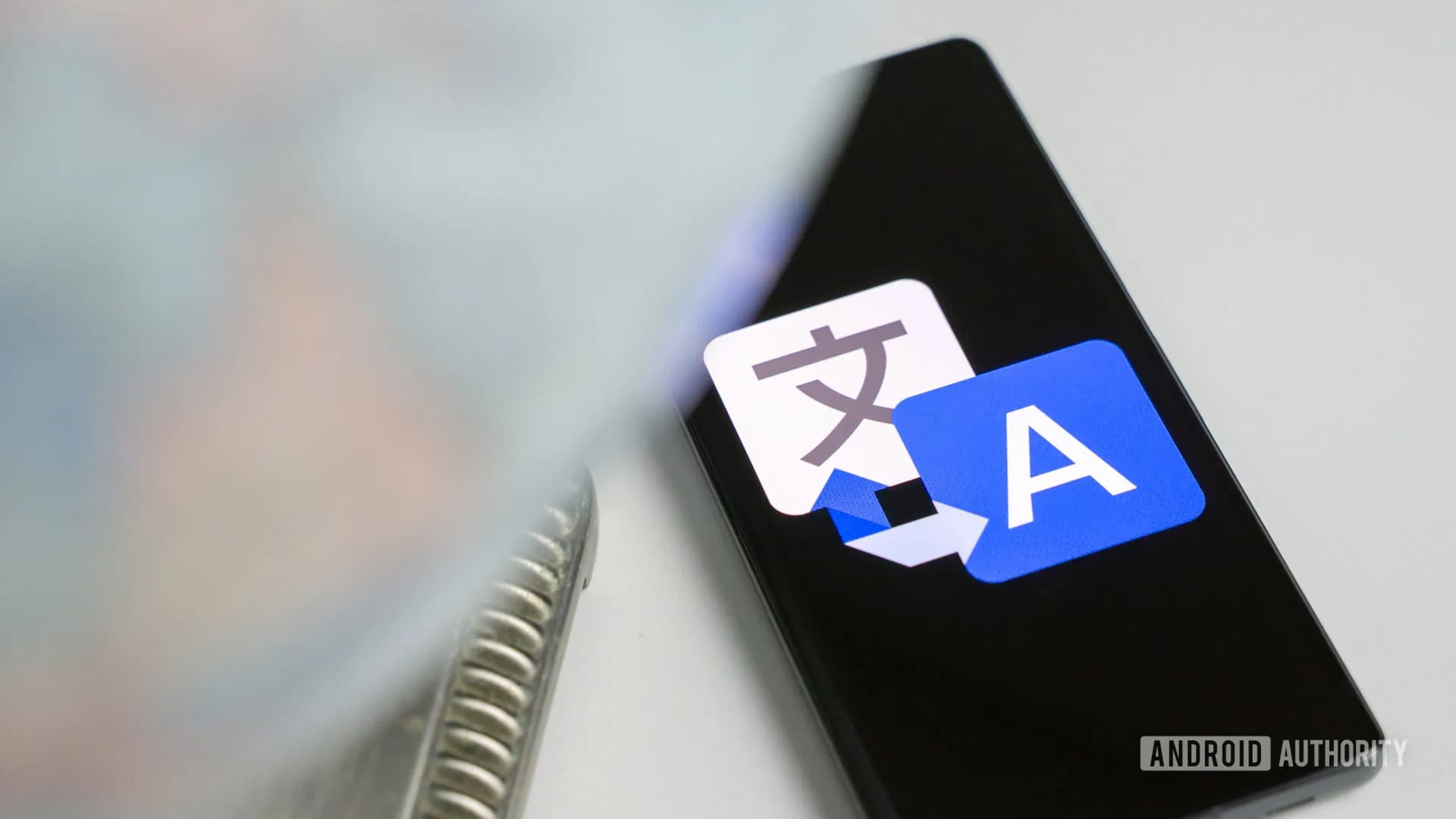
Google Translate is testing a new voice-input cleanup feature called Smart assist — a direct counterpart to Gboard’s Rambler, which launched earlier in 2026. The feature is not yet live for users, but evidence of it has surfaced in app teardowns by Android Authority, which first reported the finding on October 9, 2026. Smart assist is designed to strip filler words, repetitions, and false starts from spoken input before translation, turning “um, yeah, so, like, where’s the train station?” into clean, translatable text: “Where is the train station?” Rambler, introduced in Gboard this year, already does this for keyboard dictation. Now Google appears to be extending the same logic to its translation pipeline. Where raw speech quality directly impacts accuracy, especially across language boundaries. No rollout date, region, or version number is confirmed. Android Authority notes the feature remains unannounced and unreleased. It exists only as strings and logic in an internal build. That means no pricing, no device compatibility list, and no public beta sign-up. It also means no guarantee Smart assist will ship at all, let alone with Rambler’s current constraints, which include limited language support and no real-time editing of cleaned output. What’s clear is the intent: Google is treating voice input not as a fallback, but as primary input for translation. And cleaning it up before the AI even sees it. The next step? Watch for official confirmation in a Translate update log or a developer-facing blog post. Until then, Smart assist stays in the lab.
Google Translate app Smart assist voice cleanup like Gboard Rambler
A new voice-cleaning mode called Smart assist is spotted in Google Translate’s code — mirroring Gboard’s Rambler, but built for cross-language accuracy.
By Pocket
The Mobile Desk · (3 hours ago)
Reported from
How this story was made
Written by the Hitechreports desk from the reporting credited above, with facts attributed to their original publishers. We do not test devices ourselves; anything about performance, battery life or cameras comes from the outlets that did. Prices are as reported at the time of writing. Editorial policy · Report an error
Filed by The Mobile Desk
Phones from leak to launch to price cut: what was announced, what it costs where, and when it goes on sale. Indian launches and prices included, not appended.
More from this desk →Read next
More Smartphones →
Google Chrome 155 Ships 247 Security Patches Across Desktop and Mobile
Google has rolled out Chrome 155 with 247 security patches across Windows, Mac, Linux, Android, and iOS, tackling four critical memory flaws and high-severity vulnerabilities in tools like Google Translate.

Google Play Slashes Hyper Light Drifter Alongside Heavy Galaxy S26 Discounts
Google Play dropped prices on Hyper Light Drifter and The Quest on Friday, while retailers rolled out open-box discounts on the Galaxy Z Fold 8 and Pixel 11.
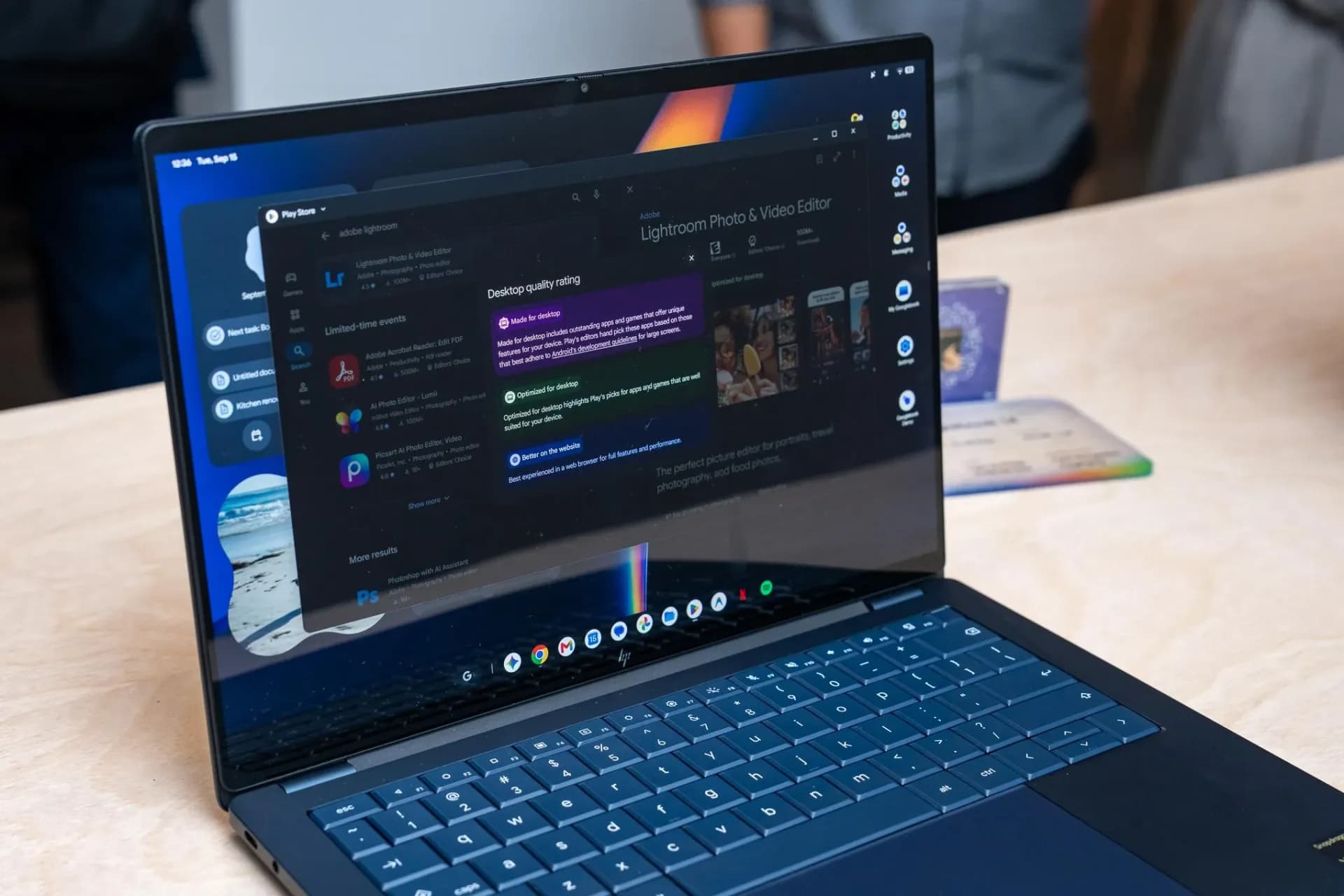
Early Googlebook Reviews Reveal Android Laptop Software Growing Pains
Early reviews of Google's new Android-powered laptops show polished partner hardware hobbled by stubborn mobile software bugs, clunky app windowing, and awkward desktop compromises.
Be the first to comment
Join the argument. No password, just your email or a passkey.