Googlebook laptops are shipping globally — starting today. The first five models hit stores in the US and India, with Dell and HP offering Qualcomm Snapdragon variants, and three others (from Acer, Lenovo, and Asus) packing Intel CPUs. Prices begin at $799 in the US and ₹79,999 in India. But buyers now face a split: ARM versus x86 isn’t just about performance, it’s about compatibility, continuity, and which Android apps actually run. That 96.6% app-compatibility figure Google cited to Android Authority applies only to the top 10,000 most-used Android apps. And even then, it’s for Intel-based Googlebooks. The remaining 3.4%? Unnamed. Undocumented. And likely to include heavier games, creative tools, or banking apps that haven’t been updated for x86 translation layers. No public list exists. No developer portal has launched. Just a quiet caveat buried in launch-day comms. The phone-laptop sync features, the ones Google demos with slick transitions between devices. Are locked behind Android 17. Not Android 16. Not Android 15. Android 17. Which means if your Pixel 8 Pro is still on Android 16.1 (or worse, your OnePlus 12 hasn’t rolled out the update yet), you won’t see your phone’s files in the Googlebook file manager. You won’t get Continue On. You won’t stream your phone’s screen. Those features simply won’t light up. Googlebook OS itself is built on Android foundations but borrows desktop scaffolding from ChromeOS, so it’s not ChromeOS, not Android, and not a containerised Android-on-PC solution like Windows Subsystem for Android. It runs Android apps natively. But ‘natively’ means something different on ARM than it does on Intel. Chromebooks aren’t being retired. Google confirmed they’ll keep getting updates on their own track. And some newer Chromebooks may eventually upgrade to Googlebook OS. For now, though, the line is drawn: Snapdragon models get full continuity and near-total app coverage. Intel models get broader hardware compatibility (think legacy peripherals, certain enterprise drivers) but trade off cleanly Android integration. Availability starts Thursday, 8 October 2026. Dell and HP models go live first in the US and India. The Intel-based trio follows next week. No official word yet on UK or EU pricing, or whether those markets will get Android 17–required features at launch.
Googlebook Laptops Launch With a Processor Split: Snapdragon Gets Full Android Sync, Intel Doesn’t
Googlebook laptops are here—but Intel models lose key Android app support and phone-laptop continuity unless your phone runs Android 17.
The Computing Desk · (1 hour ago)
Reported from
How this story was made
Written by the Hitechreports desk from the reporting credited above, with facts attributed to their original publishers. We do not test devices ourselves; anything about performance, battery life or cameras comes from the outlets that did. Prices are as reported at the time of writing. Editorial policy · Report an error
Filed by The Computing Desk
Laptops, desktops, processors, graphics cards and the operating systems that run on them.
More from this desk →Read next
More Laptops & PCs →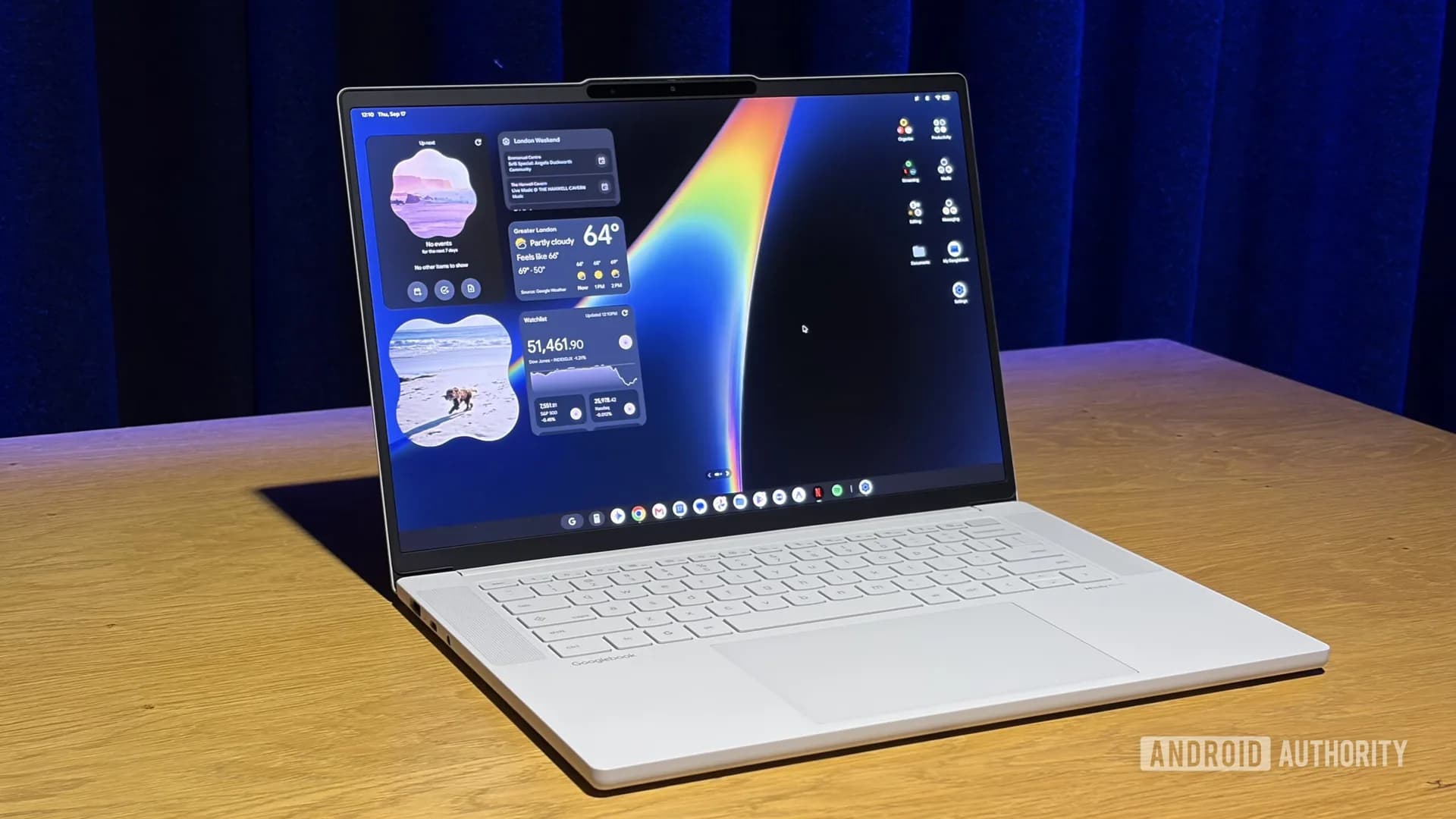
Google Android 17 Beta Code Reveals Phone Unlock Feature for Googlebooks
Google appears to be building an automatic Phone Unlock mechanism for Googlebooks, according to setup screens uncovered in the Android 17 QPR3 Beta 1 release.
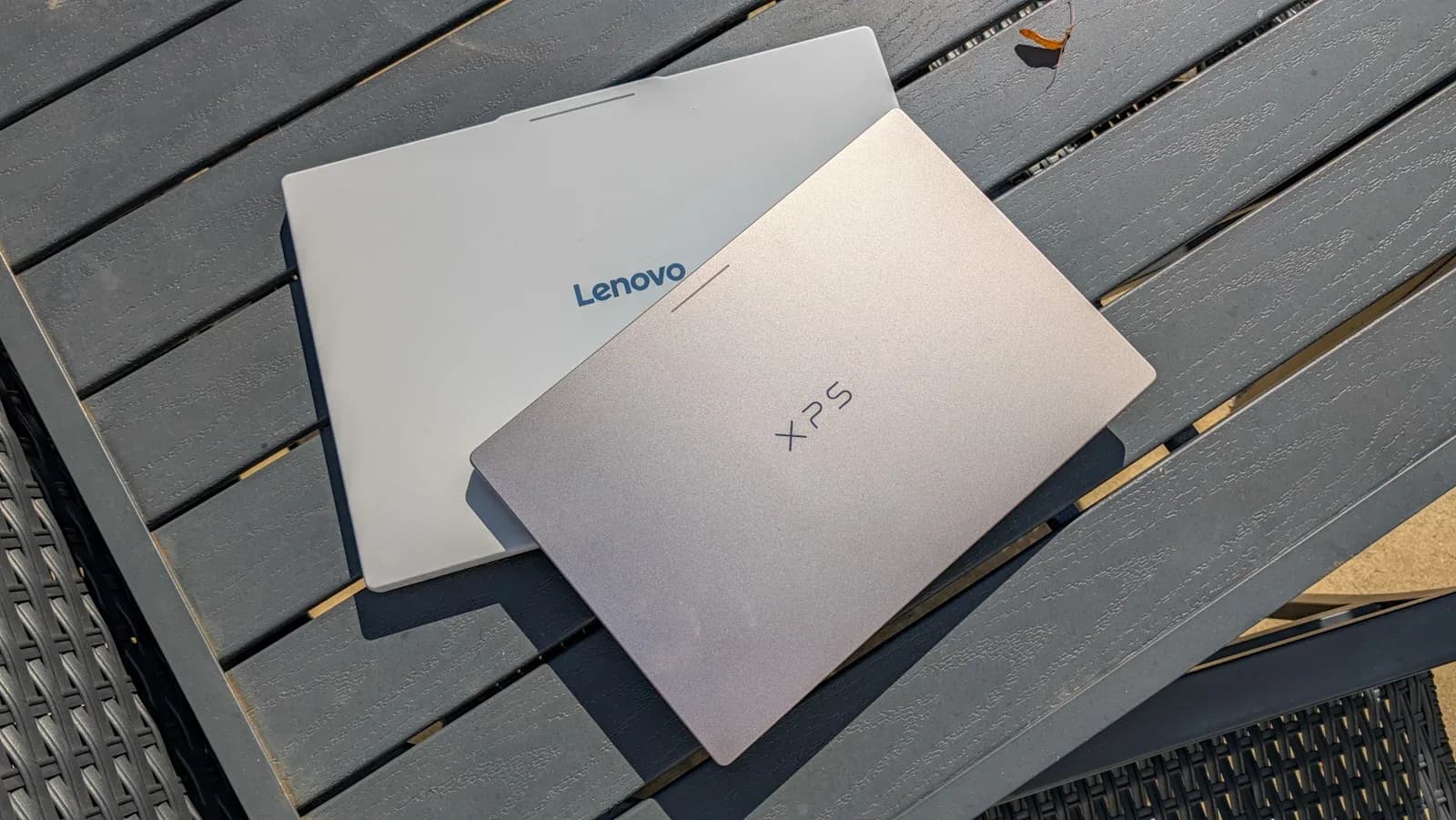
Dell XPS Googlebook Outpaces Intel Lenovo Laptop in Early Benchmarks
Early performance benchmarks on the first batch of Googlebooks show the Snapdragon-powered Dell XPS outpacing Lenovo's Intel model in graphics and multi-core speed, with Dell listing its machine at $999 in the US.
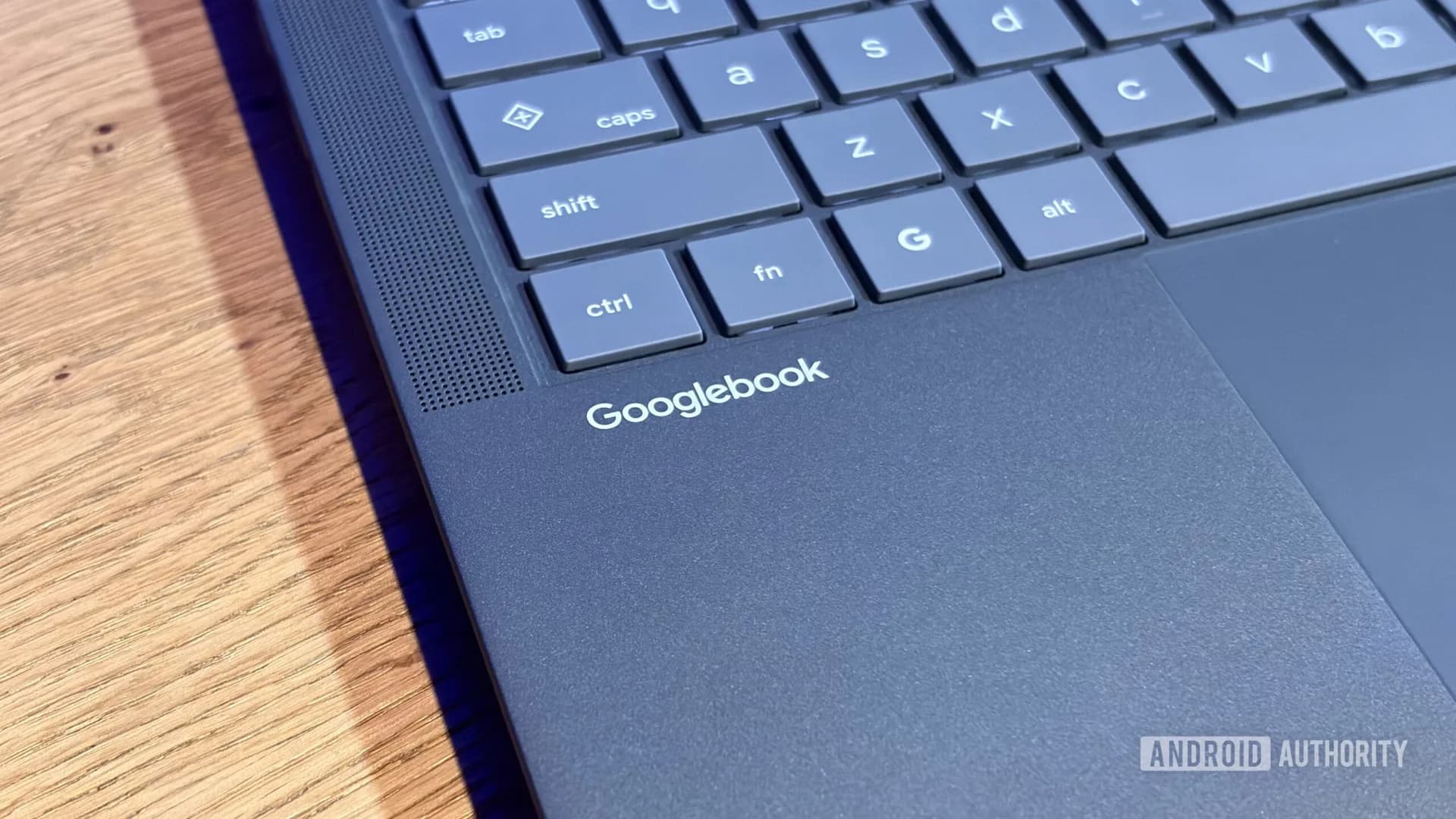
Intel Googlebooks Leave Hundreds of Android Apps Needing Fixes
Google confirmed that Intel-powered Googlebooks rely on a translation layer for mobile software, leaving hundreds of popular Android apps incompatible without developer updates compared to Snapdragon editions.
Be the first to comment
Join the argument. No password, just your email or a passkey.