Google is working on a feature that lets an Android handset automatically unlock a Googlebook laptop, according to code uncovered in Android 17 QPR3 Beta 1.
The feature, surfaced by Android Authority during an examination of setup menus inside the preview software, borrows the convenience familiar to anyone who uses an Apple Watch to wake a Mac. Instead of typing a password or scanning a fingerprint each time, a nearby unlocked phone takes care of authentication.
Setup strings inside the build show that the interaction kicks off without much manual effort. The laptop can unlock immediately once a user lifts the display lid, taps a keyboard button, or shifts an attached mouse. To keep the process secure, the paired phone triggers an alert immediately after the laptop unlocks, alerting the owner if their machine was accessed unexpectedly.
Apple has offered a similar interaction for years, letting Mac owners bypass login prompts whenever an authenticated Apple Watch sits on their wrist. Google's approach places the credential key on the smartphone itself, cutting out the requirement to own a smartwatch.
While Google has offered forms of proximity unlocking in the past through Smart Lock on ChromeOS devices, the setup spotted in the Android 17 preview points toward deeper ecosystem parity across upcoming hardware tiers. Google has not formally announced the tool, and hidden beta features are routinely modified or withheld before reaching commercial software tracks.
Because the capability was identified directly within system software files rather than a live rollout, there is no verified launch timeline or confirmation of which specific Googlebook configurations will support it. The presence of complete configuration flows suggests development is underway, but broader public testing will need to arrive in subsequent software updates before laptop owners see it on their desks.
CDFiled by The Computing Desk
Laptops, desktops, processors, graphics cards and the operating systems that run on them.
More from this desk →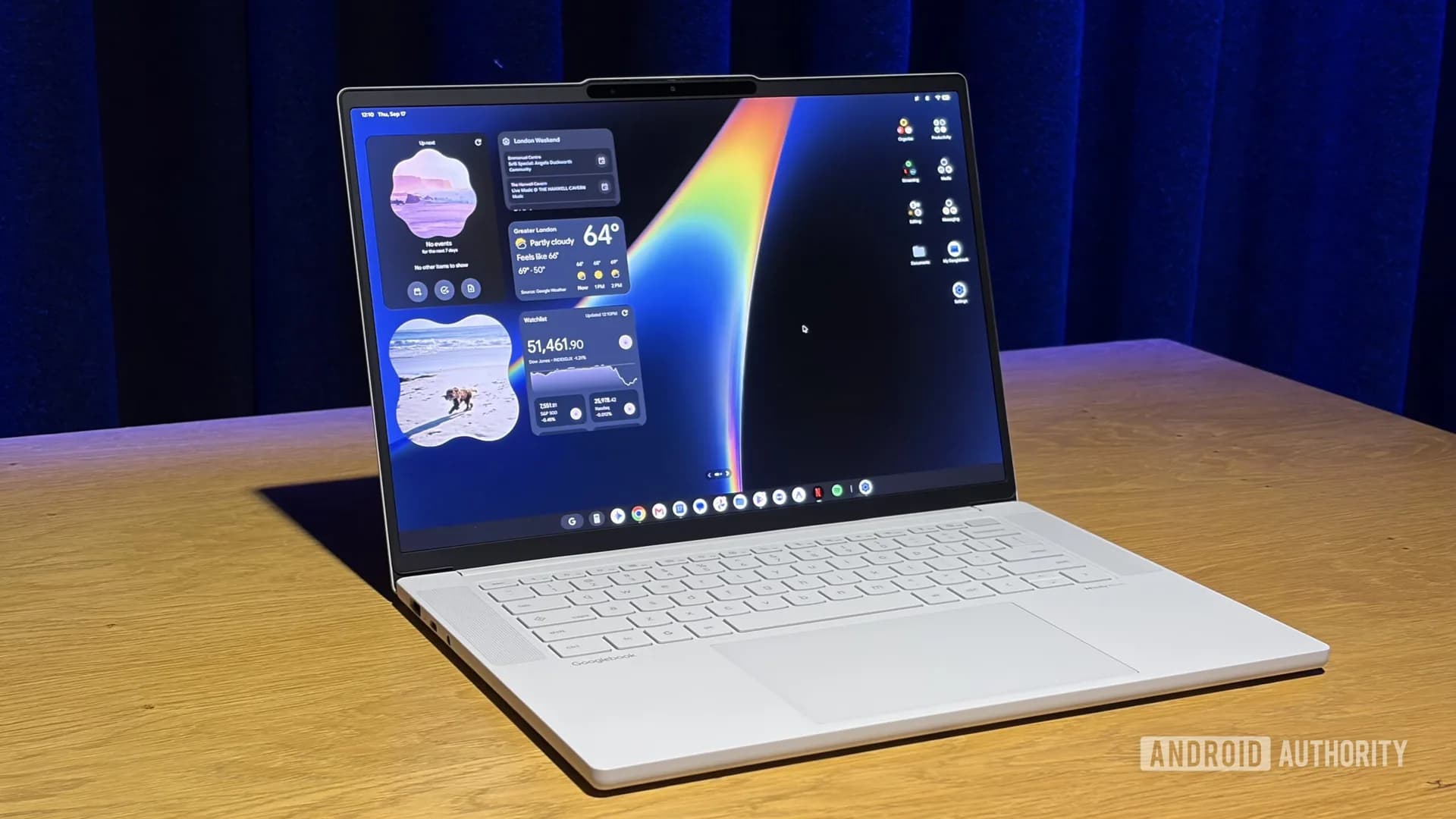
Be the first to comment
Join the argument. No password, just your email or a passkey.