Google has quietly built one of its more ambitious AI products, and it isn't Gemini the chatbot. It's Antigravity, an AI-first coding editor forked from Microsoft's VS Code, released November 18, 2025 alongside the Gemini 3 model family. It runs on Windows, macOS and Linux, and at launch Google made it free to use during a public preview, undercutting rivals like Cursor that typically charge around $20 a month.
The pitch is different from a typical AI code assistant. Instead of autocompleting lines as you type, Antigravity hands tasks to autonomous agents that plan, write, test and debug code with limited supervision. Those agents aren't locked to Gemini either. Developers can switch to Anthropic's Claude models depending on the job, a flexibility that tools like Claude Code and OpenAI's Codex, each tied to a single model maker, don't offer.
The editor's pedigree explains some of that design. Google licensed technology from Codeium, the company behind the Windsurf editor, and brought its founding team into DeepMind. Varun Mohan, Windsurf's co-founder, now runs the project at Google, and Antigravity reportedly carries a close family resemblance to Windsurf as a result.
Agents that work in parallel
The centerpiece is something called the Agent Manager, a control panel where multiple agents can run at once, each on its own task. One might refactor a module while another writes tests and a third checks the result inside a browser window the agent opens and clicks through itself. Rather than dumping raw code and logs, the agents save plans, screenshots and recordings of their browser sessions as what Google calls artifacts, so a developer can review what happened visually instead of parsing a diff line by line. A review policy setting lets users decide whether an agent should pause for approval before each step or run ahead unsupervised.
The limits are the catch
The trouble started at Google I/O in May 2026, when the company introduced compute-based usage caps for Gemini tools including Antigravity. Some users reported burning through their allotment in about an hour of work. Google responded by tripling the Gemini limits for Antigravity twice within days and resetting weekly quotas on paid plans, and Mohan has acknowledged that heavy users can still exhaust a week's allowance in just a couple of sessions.
Reliability complaints piled up alongside the capacity ones. Developer forums in early 2026 filled with reports of 503 "high traffic" errors and 429 rate-limit messages across both free and paid tiers, with some users waiting days for quotas to reset after short bursts of use. Paying subscribers have described stretches where the tool felt nearly unusable, and Google's support responses have mostly amounted to promises to pass the feedback along.
There are smaller gaps too. Antigravity rewards precise prompts and still needs a manual check before anything gets merged, and it has no support for OpenAI's models or the Codex extension. Google itself calls the whole project an experiment, which may explain why it sits alongside the company's other coding tools, Jules and the Gemini CLI, without a clear story for how the three fit together. For now, Antigravity remains free during its public preview, with no word yet on what a stable release, or a price, might look like.
SDFiled by The Software Desk
Apps, platforms, operating system releases, security fixes and the features arriving in them.
More from this desk →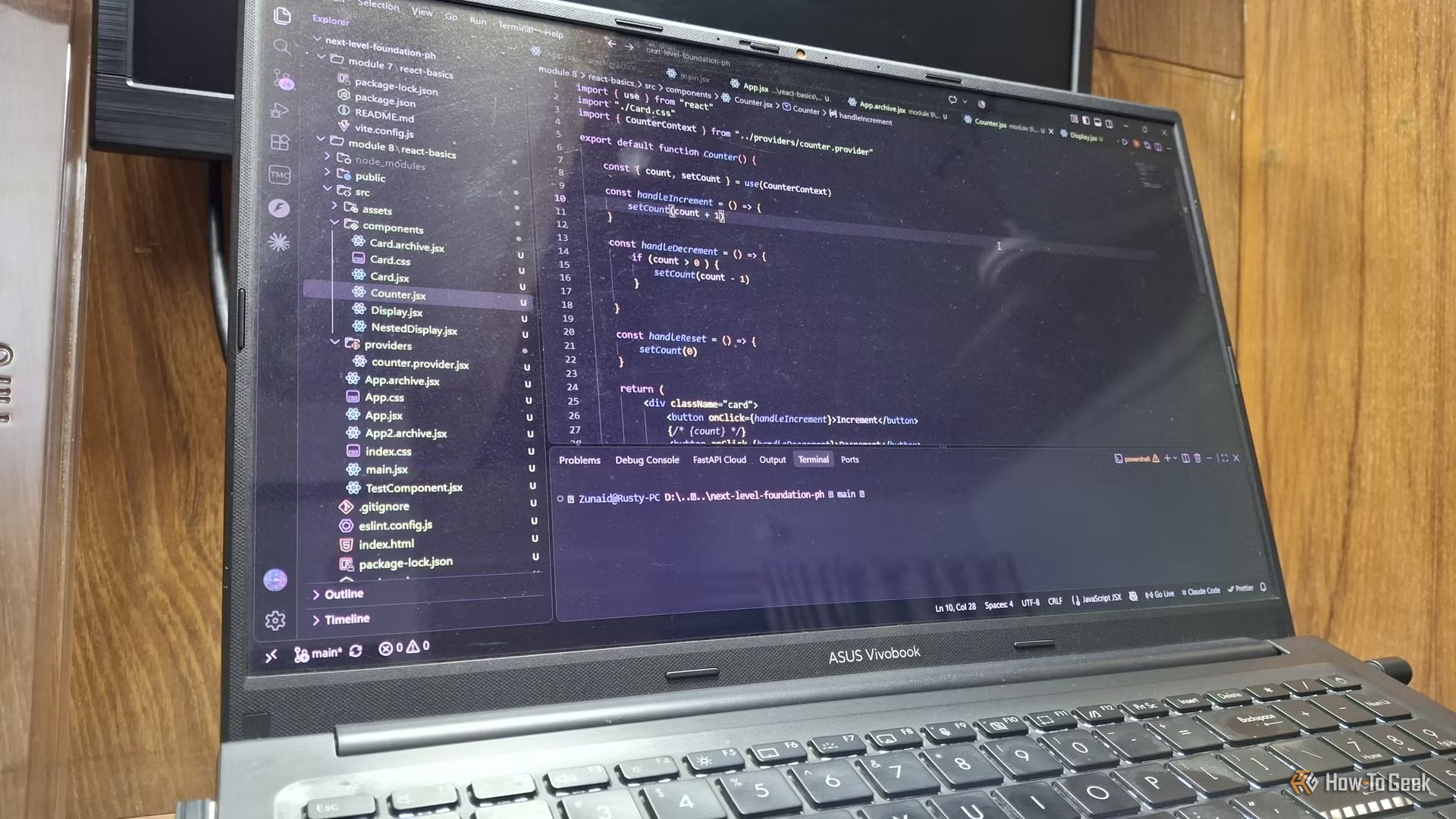

Be the first to comment
Join the argument. No password, just your email or a passkey.