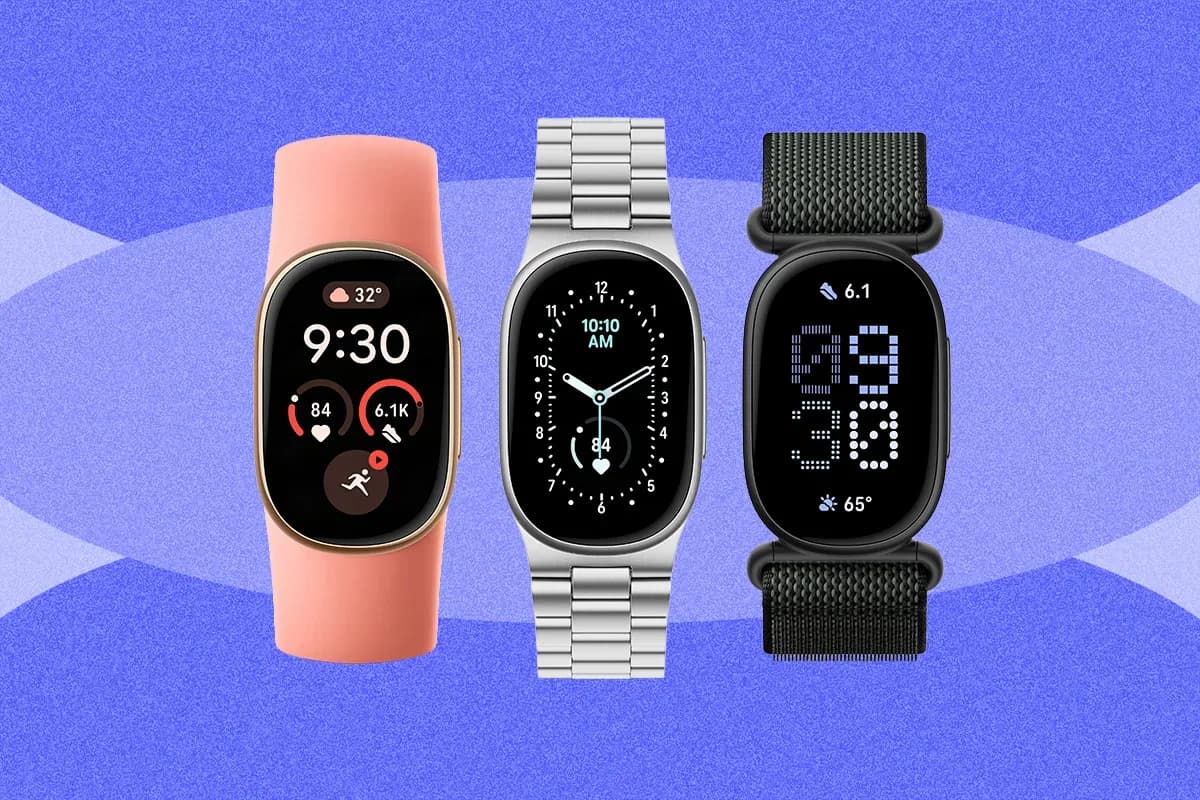
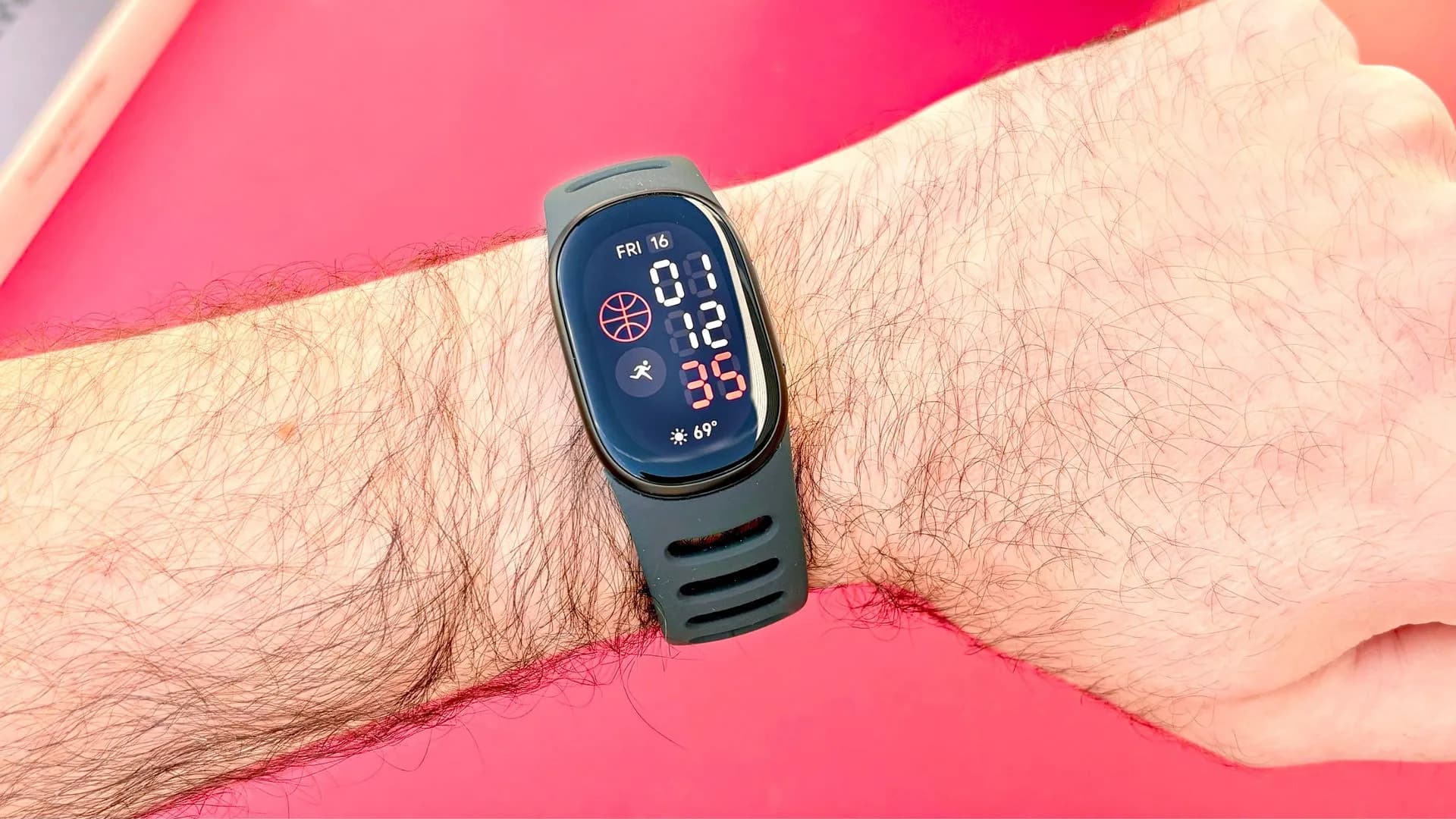
Google's new Fitbit Edge, the follow-up to 2023's Fitbit Charge 6, has shipped without the NFC antenna that let the older band tap-to-pay at checkout. In its place sits a barometric altimeter, a sensor that tracks elevation gain during hikes, bike rides and other outdoor workouts the Charge 6 couldn't measure.
The decision has apparently irritated some would-be buyers who liked paying for coffee from their wrist. But according to Tom's Guide, which reviewed the Fitbit Edge and published its findings on October 28, Google has data to back up the swap. In an email to the outlet, Google said less than 1% of Fitbit Charge 6 owners actually used NFC for contactless payments, and that the company instead "prioritized other top features such as adding an altimeter and requested improvements."
What reviewers found
Tom's Guide's Dan Bracaglia, who tested the device, wrote that the Fitbit Edge is "better than its predecessor in nearly every single way," making it one of the stronger fitness trackers on the market this year, in his assessment. He also pointed to a head-to-head comparison against the Apple Watch 12 on climb tracking, which he said the Edge won on the strength of its new altimeter. Those are his review's conclusions, not independently verified lab results, and no other outlet's testing was cited alongside them.
The argument, as Bracaglia laid it out, is straightforward: the Charge 6 had no altimeter and couldn't log climb data at all, a real gap for anyone using it on trails or hilly rides. Trading a payment chip that almost nobody used for a sensor that fills that gap reads as a reasonable bet, at least on paper.
The price angle
There's also a cost argument. The Fitbit Edge launches at $179, compared with the Charge 6's $159 launch price back in 2023. Adjusted for three years of inflation, Tom's Guide noted, that's roughly a wash. Bracaglia's review argues that squeezing NFC hardware back in could have pushed the price higher still, or forced a bulkier case, trade-offs he says would have hurt the Edge's appeal more than the missing payment chip does.
None of that will satisfy shoppers who specifically bought the Charge 6 for tap-to-pay, and Google's own 1% figure doesn't erase that group, it just shrinks it. Whether rival bands from Garmin or Samsung keep NFC as a selling point against the Edge is the next thing worth watching, especially for anyone cross-shopping a Fitbit against an Apple Watch 12 on price and features rather than payments.
For now, the Fitbit Edge's pitch is elevation data over wrist payments, a trade Google is betting most of its customers never wanted in the first place.
GDFiled by The Gadgets Desk
Audio, wearables, cameras, tablets, chargers and every other device worth carrying or plugging in.
More from this desk →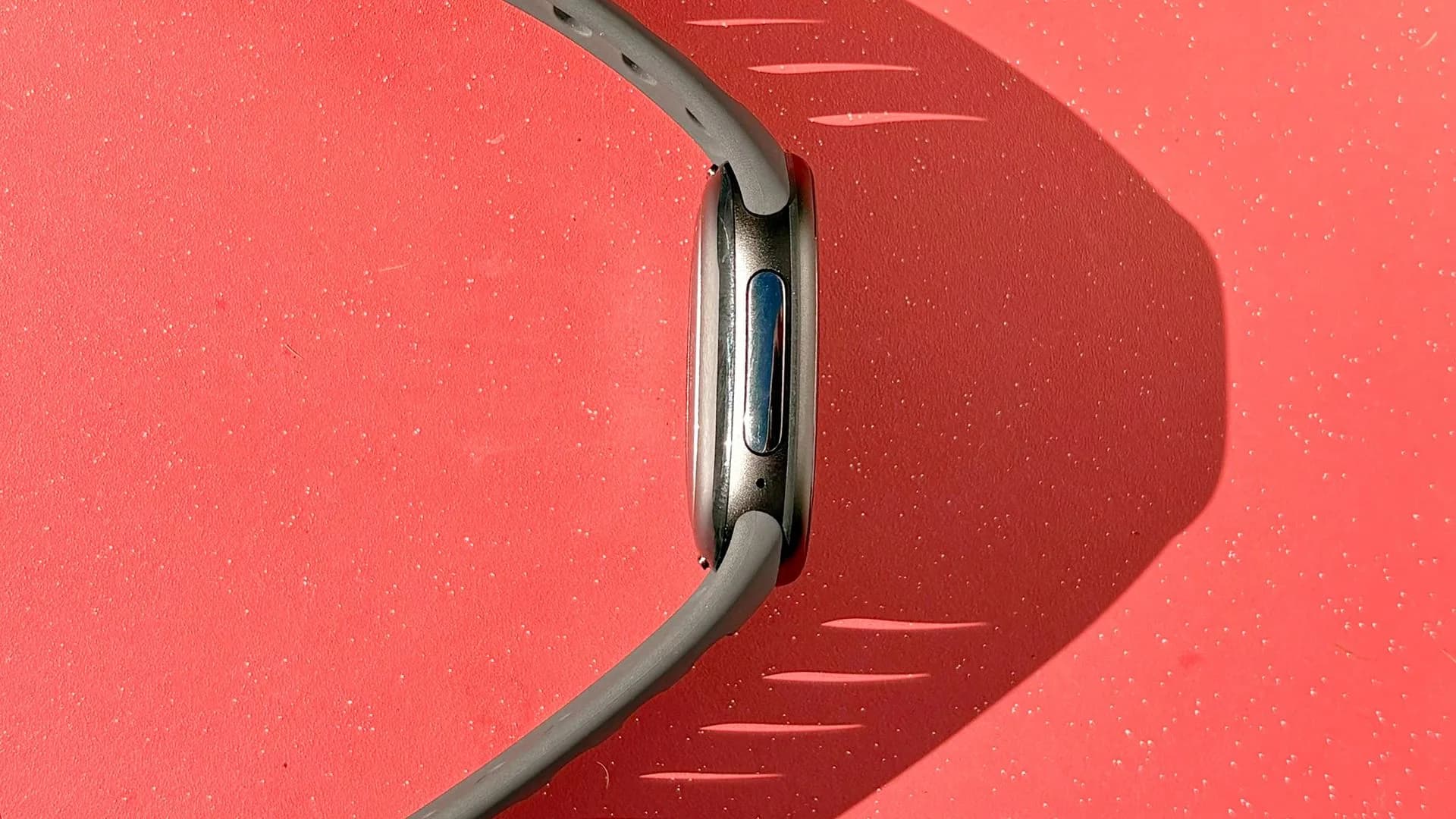
Be the first to comment
Join the argument. No password, just your email or a passkey.