The Hasselblad X2D II 100C cannot shoot video. Hasselblad has never signaled any plan to add it. That hasn't stopped a small group of hackers from giving the medium format mirrorless camera video recording anyway, along with a Linux desktop, Apple CarPlay and a working ChatGPT client, according to PetaPixel.
The work traces back to developer Radium Wang, who PetaPixel reported a few weeks earlier had gotten the first-person shooter Doom running on the same camera. Wang said at the time that more open-source projects for the X2D II 100C were on the way. Mirrorless Rumors has since documented what other people have built on top of that groundwork.
A Chinese creator going by 奶酪 posted a demo on the platform Xiaohongshu showing experimental firmware that adds video recording to the X2D II 100C, a capability entirely absent from the camera as Hasselblad sells it. Wang separately got CarPlay, Apple's car dashboard interface, running on the camera, along with a ChatGPT installation. A Reddit user posting as u/Unable_Ad_1804 went further still, loading a full Linux kernel onto the hardware and getting the XFCE desktop environment to display on it.
More than stunts
Not everything coming out of this project is a novelty act. Wang has published a number of GitHub repositories tied to individual camera subsystems, covering things like LiDAR, autofocus, in-body image stabilization and continuous autofocus. PetaPixel notes that work like this opens the door to photographers building custom tools for specific shooting situations, rather than just making the camera play old video games or run a car's infotainment software.
The obvious comparison is Magic Lantern, the long-running open-source firmware project for Canon DSLRs. Magic Lantern added video features, boosted performance and unlocked time-lapse tools years before Canon built any of it in, and at one point enabled HDR video on select Canon bodies well ahead of the company itself. The X2D II 100C project is still early by comparison, but it's following a similar path: community code filling in gaps the manufacturer left alone.
PetaPixel is careful to flag the risks involved. Flashing unofficial firmware onto a roughly $8,200 camera body can brick it, void a warranty, breach Hasselblad's terms of service, and potentially carry legal exposure depending on where the tinkering happens and how the source code was obtained. The outlet says it's reporting on the project because it's genuinely interesting, not because it's recommending anyone try it on their own camera.
What happens next depends on how far the GitHub repositories go and whether Hasselblad responds at all. For now there's no indication the company plans to acknowledge the hack, let alone build any of it into an official update. The code is public, though, which means whatever gets added next probably won't wait for permission.
GDFiled by The Gadgets Desk
Audio, wearables, cameras, tablets, chargers and every other device worth carrying or plugging in.
More from this desk →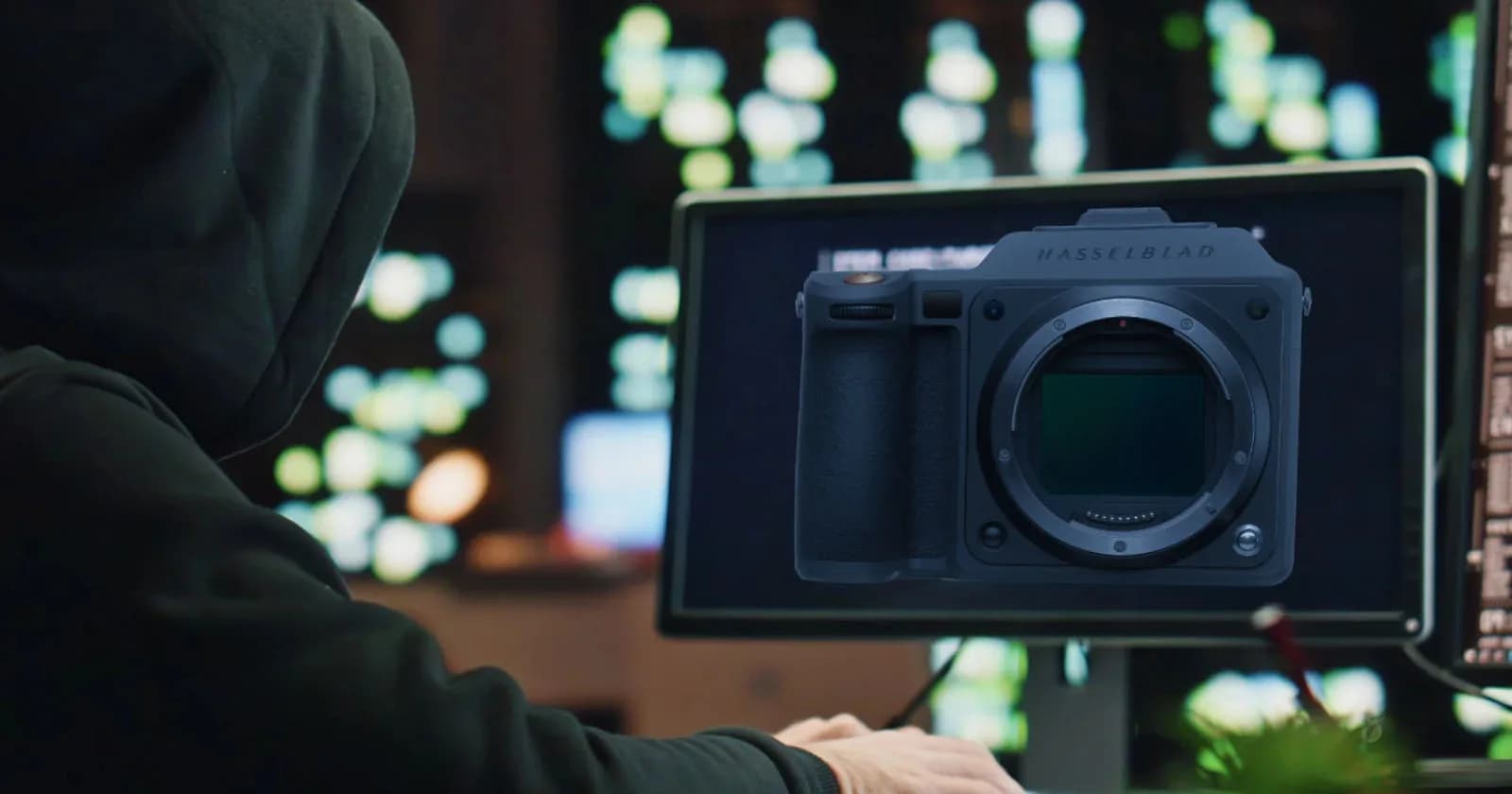



Be the first to comment
Join the argument. No password, just your email or a passkey.