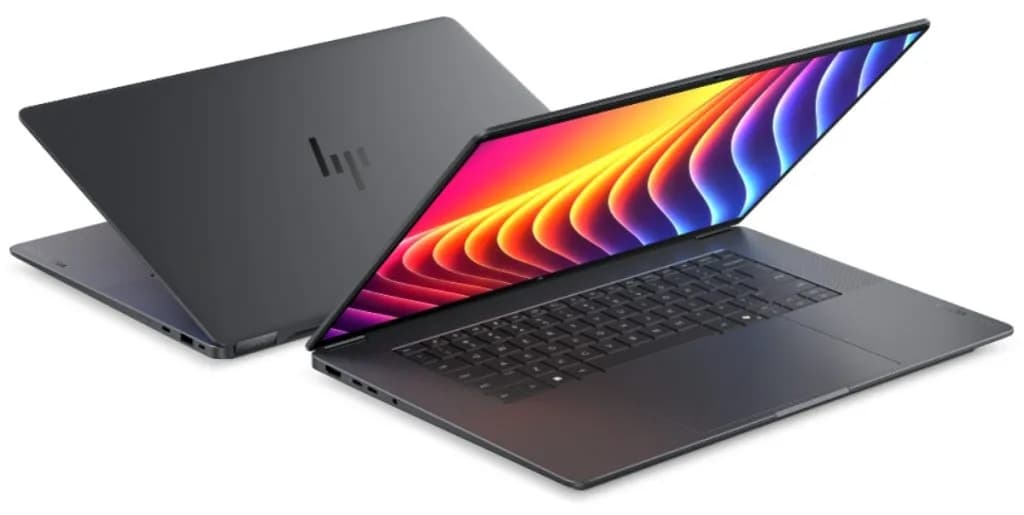
HP has launched the ZBook Ultra G3a — a 16-inch mobile workstation, in India at Rs 2,89,990 (ex-tax). It’s not a laptop for students or remote workers juggling Zoom and spreadsheets. It’s built for engineers running finite-element simulations, designers rendering photorealistic scenes in real time, and AI developers fine-tuning local LLMs without cloud round-trips. And it’s the first HP mobile workstation in India to ship with AMD Ryzen AI Max+ PRO processors. Chips that pack dedicated NPU silicon for on-device AI inference, not just CPU/GPU muscle. The device weighs 1.9kg and is 17.9mm thick, compact by workstation standards, but unmistakably built for sustained thermal headroom: HP says its cooling supports up to 100W of sustained power, a claimed 81.8% jump over previous-gen TDP limits. The display is a 16-inch 2.8K OLED panel with 120Hz refresh rate. A rarity in this class, where colour accuracy and brightness often trump smoothness. Battery capacity is 96Wh, rated for up to 14 hours. Charging uses GaN USB-C adapters, with support for both 140W and 180W inputs, meaning faster top-ups when docked, and flexibility across existing HP power bricks. Connectivity includes optional 5G. Not as a gimmick, but as a secure, IT-managed pipe for remote access to on-prem servers or private AI clusters. The keyboard is IT-replaceable, and the chassis is designed for serviceability: no glued-down SSDs, no soldered RAM, no proprietary screws blocking upgrades. Security is baked in via HP Wolf Security for PC, firmware-level protections against bootkits, ransomware and supply-chain tampering. Availability is limited to HP’s commercial channel partners. Not Amazon, Flipkart or Croma. No consumer retail SKU. No EMI plans advertised. No student discount. This is enterprise hardware, sold through procurement cycles, with support contracts attached. That price, Rs 2,89,990 before tax. Puts it squarely between the Dell Precision 5690 (starting at ₹2.75 lakh) and the Lenovo ThinkPad P16v Gen 3 (from ₹3.12 lakh), both of which still rely on Intel Core Ultra or Xeon W chips. The Ryzen AI Max+ PRO angle gives HP a timing edge: AMD’s latest NPUs outperform Intel’s Lunar Lake NPU in local LLM throughput, per recent MLPerf Client benchmarks, though those numbers aren’t cited in HP’s announcement, and HP hasn’t published its own. What’s missing? No mention of discrete GPU options. The chip’s integrated RDNA 3.5 graphics are likely the only graphics path. No word on RAM configurations beyond “up to” (the spec sheet isn’t public). And no Indian launch date beyond “now”: HP says it’s available through commercial partners, but doesn’t name retailers or confirm first shipments. Sanjeev Pathak, HP India’s Senior Director – Solutions, framed it as AI-at-the-edge infrastructure: not just faster compute, but intelligence that stays on-device, auditable, and under IT control. That’s the pitch, and the price tag. For professionals who can’t afford latency, cloud egress fees, or data residency risks. Shipments have begun via HP’s commercial channel.
HP ZBook Ultra G3a Mobile Workstation Launches in India at Rs 2.89 Lakh
HP’s new ZBook Ultra G3a mobile workstation lands in India at ₹2.89 lakh — aimed squarely at engineers, designers and AI developers who need local LLMs, not cloud APIs.
The Computing Desk · (2 hours ago)
Reported from
How this story was made
Written by the Hitechreports desk from the reporting credited above, with facts attributed to their original publishers. We do not test devices ourselves; anything about performance, battery life or cameras comes from the outlets that did. Prices are as reported at the time of writing. Editorial policy · Report an error
Filed by The Computing Desk
Laptops, desktops, processors, graphics cards and the operating systems that run on them.
More from this desk →Read next
More Laptops & PCs →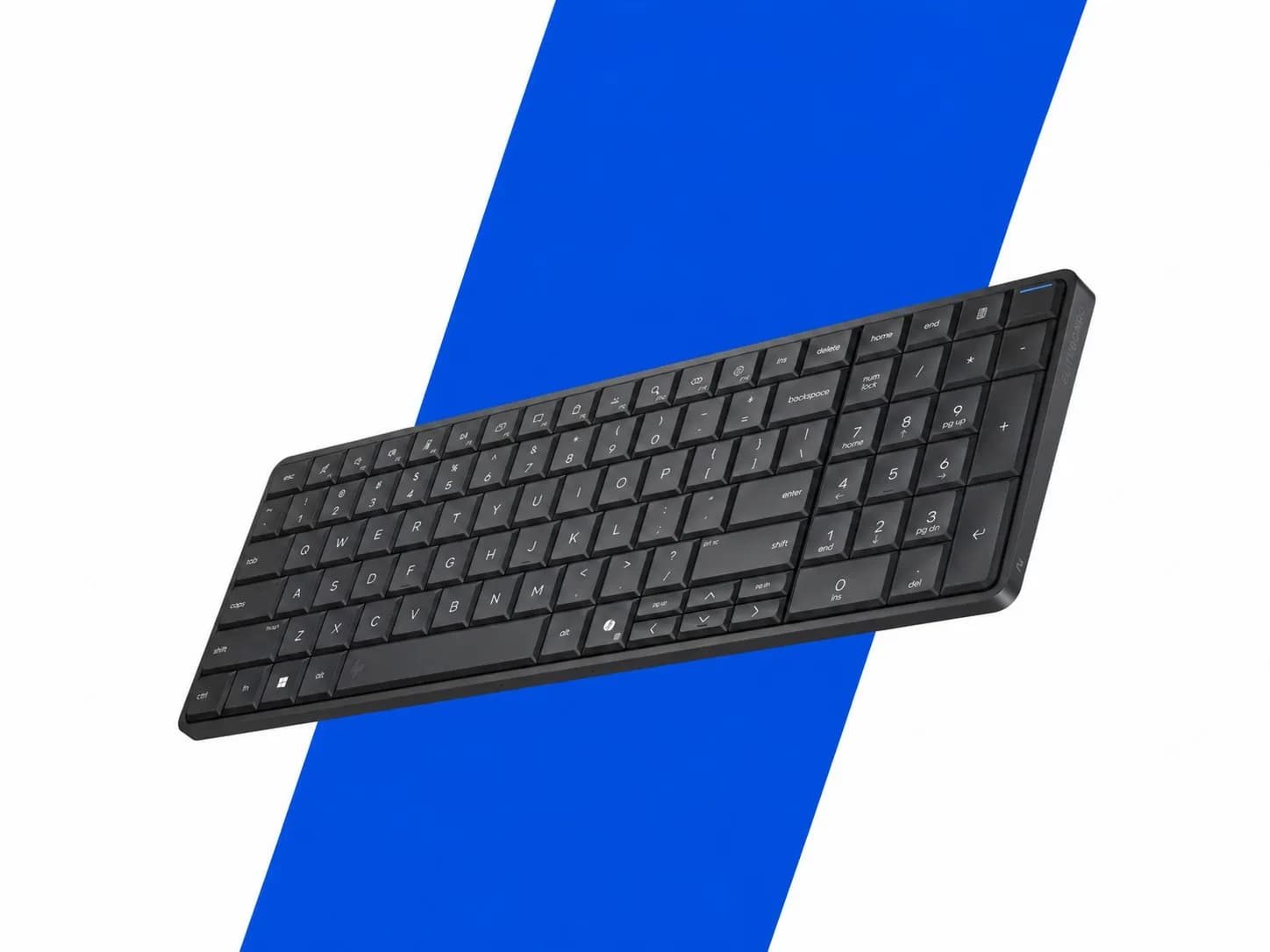
HP EliteBoard G2a Keyboard Mini PC Launches With AMD Gorgon Point Chips
HP has released the EliteBoard G2a, packing AMD Gorgon Point silicon and a 50 TOPS NPU inside an ultralight keyboard chassis starting at $3,028 in the US.
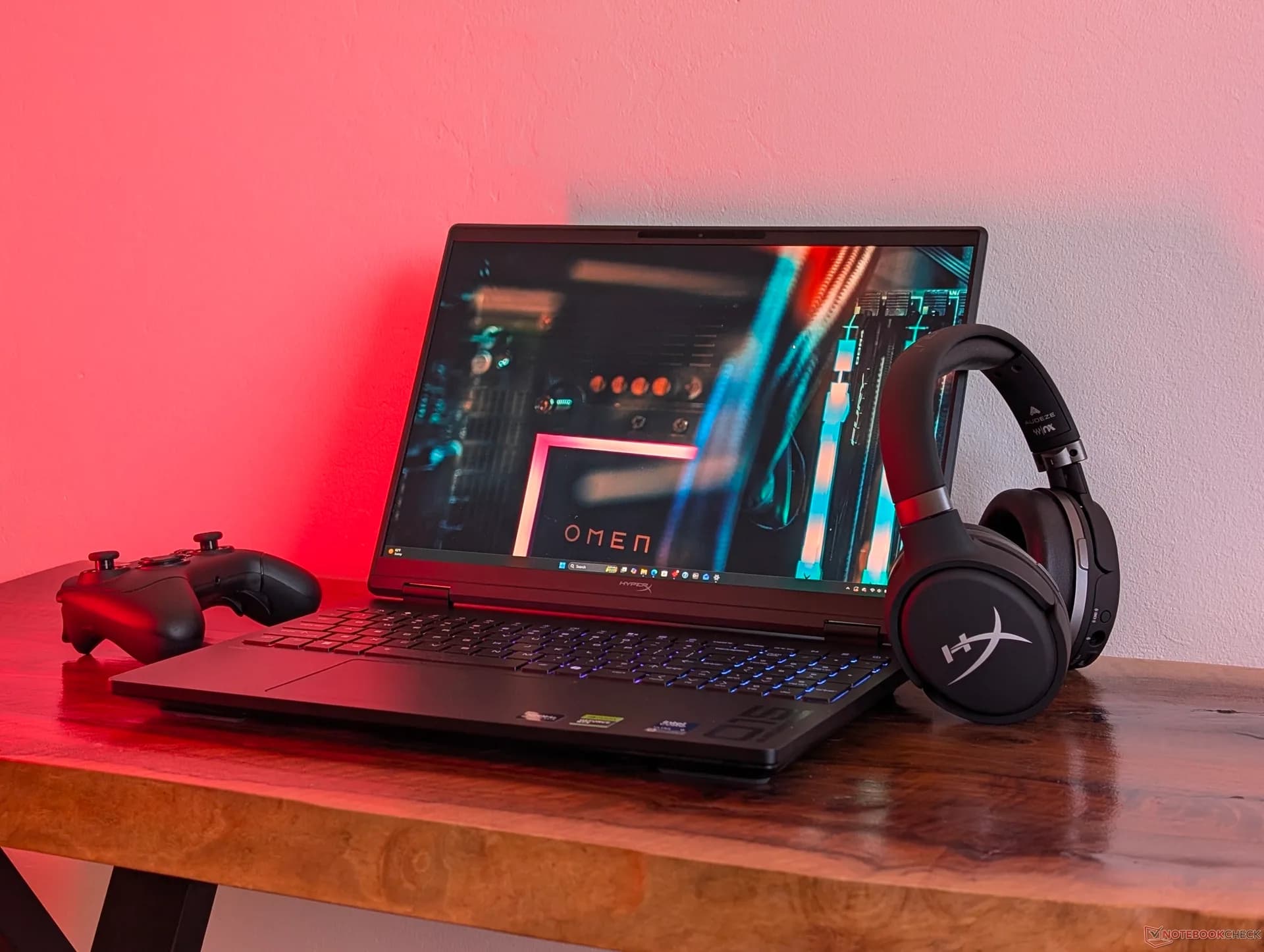
HP HyperX Omen 15 Review Tests Power Limits of 85W RTX 5070
Notebookcheck's testing of the $2,150 HP HyperX Omen 15 reveals an impressive 3K OLED panel paired with an 85W RTX 5070 GPU that lags behind higher-wattage rivals in demanding games.
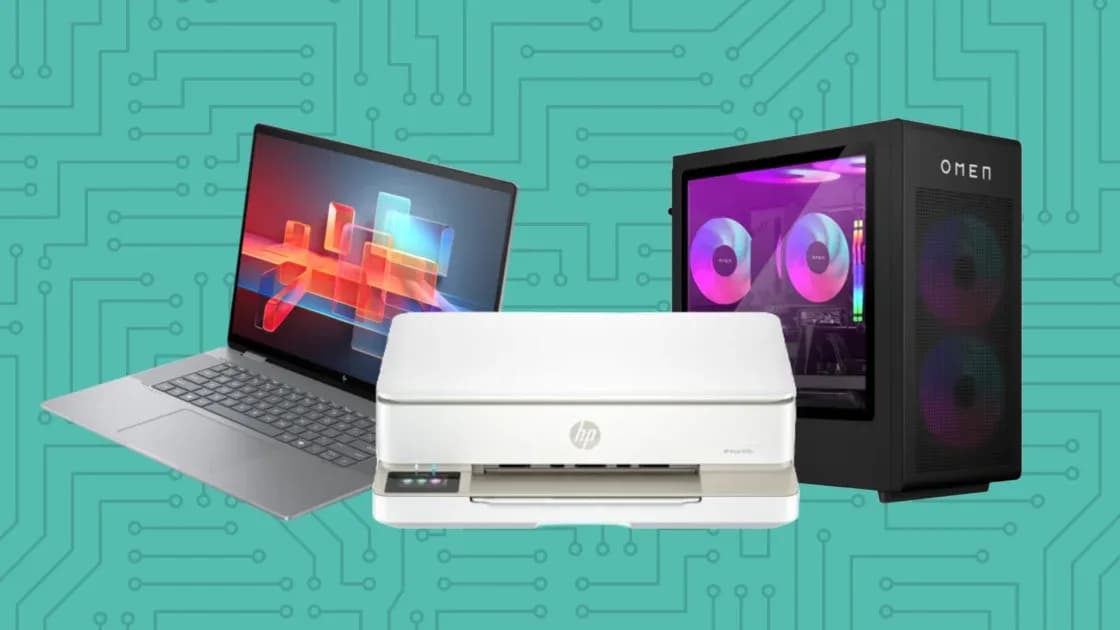
HP Anniversary Sale Drops Prices Across Laptops and Desktops
HP has rolled out anniversary discounts on home and gaming PCs, cutting prices on the OmniBook lineup, HyperX Omen portables, and high-spec Omen 35L desktop towers.
Be the first to comment
Join the argument. No password, just your email or a passkey.