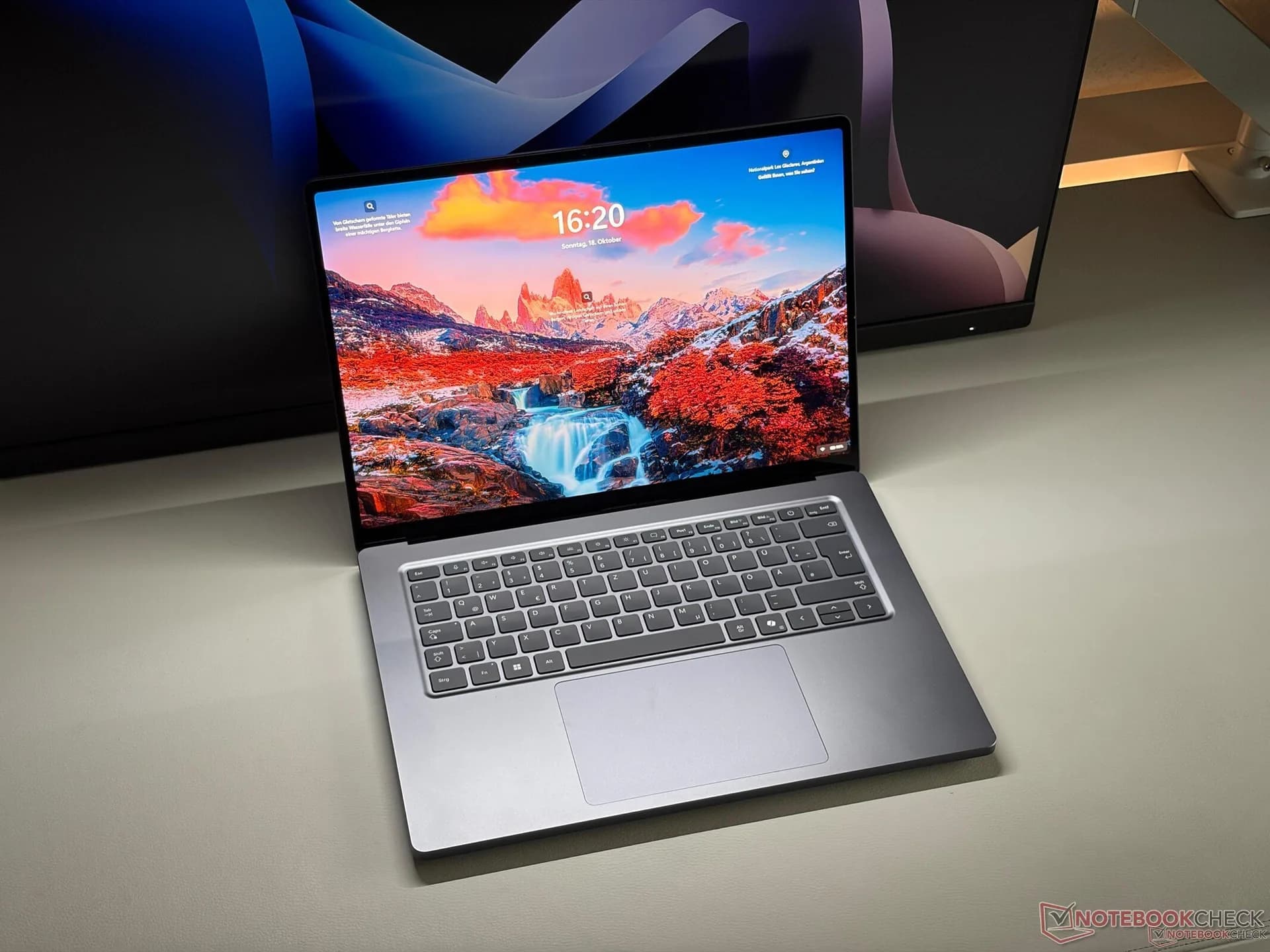
HP's first laptop built around NVIDIA's RTX Spark platform has a problem with the one thing the chip is supposed to be best at. A two-week review from How-To Geek of the OmniBook Ultra 16, tested in its 32GB configuration, calls the laptop fantastic for gaming and everyday work but says it hits a wall running local AI agents, the exact use case NVIDIA has pushed hardest for RTX Spark.
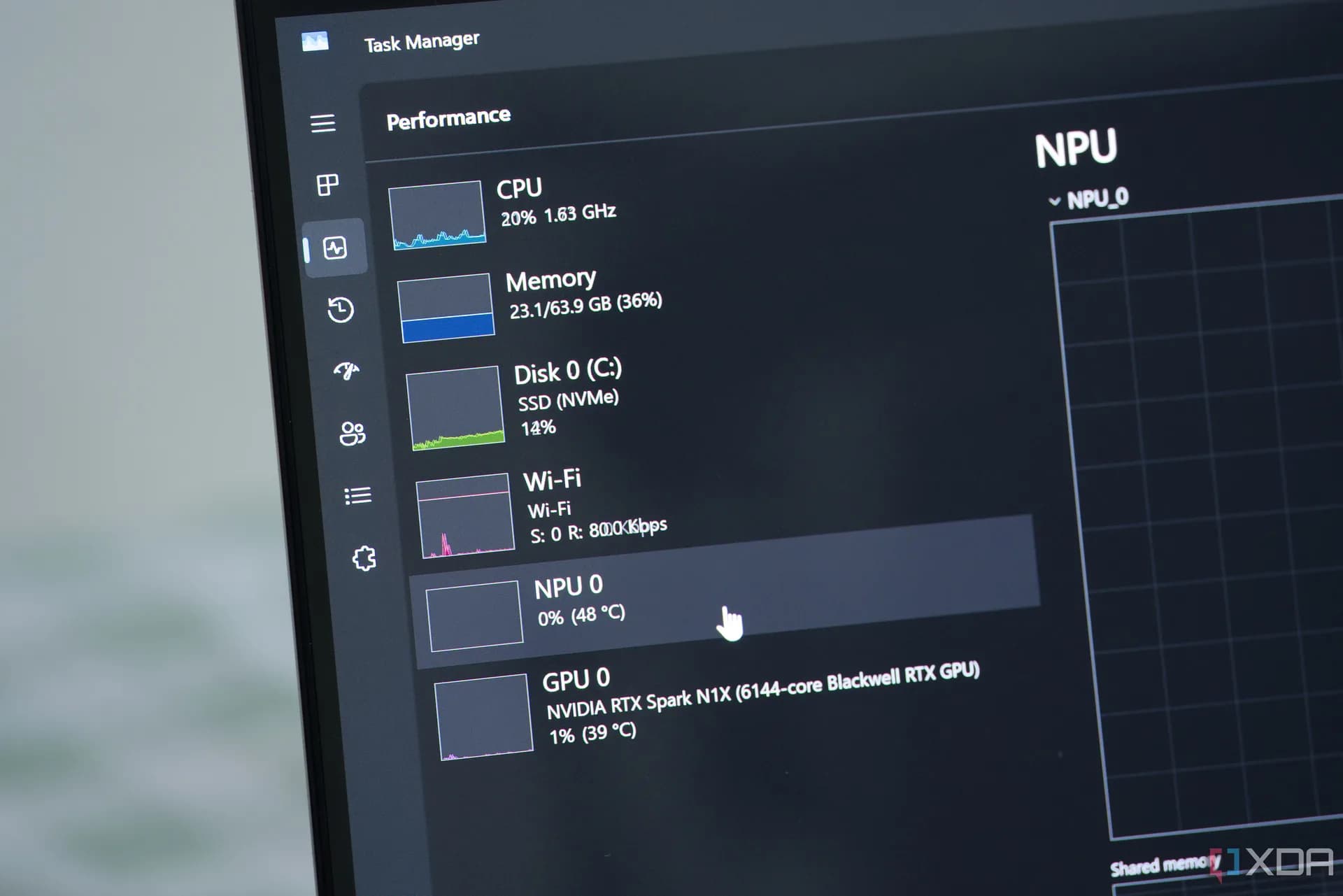
The OmniBook Ultra 16 starts at $3,200 for 32GB of RAM and 1TB of storage, sold through Best Buy or directly from HP. Buyers who want more headroom can configure 64GB with 2TB of storage or 128GB with 2TB directly through HP, though the publication did not list pricing for those tiers. The laptop pairs a 16-inch, 2880x1800 OLED display running at 120Hz with the RTX Spark N1X processor, an Arm chip carrying NVIDIA's CUDA cores and a Blackwell GPU.
Where the memory runs out
According to the review, the 32GB model splits that memory into 12GB dedicated to the GPU and 10GB shared between system and GPU, leaving a usable budget of roughly 22GB once Windows takes its cut. Most AI apps the reviewer tried only saw about 20GB of VRAM.
That ceiling showed up fast. Trying to run the Hermes AI agent app with the Qwen 3.6-35B-A3B model family, the reviewer couldn't load anything above a heavily compressed IQ2_M version. Switching to LM Studio got a partial offload of the same model at IQ4_XS working, but only after wrestling with the 64K context window Hermes requires, and the setup failed intermittently during testing.
A smaller model fared better. Qwen 3.5 27B ran through Hermes with what the reviewer describes as 100 percent success, completing tasks in just over 100 seconds. Benchmarks also clocked Qwen 3.5 9B at roughly 46 tokens per second and Qwen 3.5 27B at around 15 tokens per second, with NVIDIA's CUDA engine outperforming Vulkan. Image generation worked cleanly too, with FLUX.2 Klein 4B producing an image in 7.6 seconds and SDXL in 22.2 seconds. The review's conclusion is blunt: anyone planning to run local models regularly should skip the 24GB or 32GB configurations and go straight to 64GB.
The chip itself holds up
Outside of AI workloads, the reviewer had little to complain about. Gaming benchmarks had Forza Horizon 5 running at the display's native 2880x1800 resolution at 79 FPS on extreme settings and 118 FPS on low, with Forza Horizon 6 posting 45 FPS extreme and 74 FPS low. The GPU reportedly held steady around 70°C without throttling, sitting at 2.2 to 2.4GHz throughout testing, and the laptop is said to perform identically whether plugged in or running on battery, aside from faster battery drain in its top performance mode.
The review also says the N1X chip beat NVIDIA's rival Snapdragon X2 Elite Extreme in some of its benchmarks, a notable result for an Arm-based Windows laptop. HP has not announced pricing for the 64GB or 128GB configurations, which is the obvious next question for anyone persuaded by the gaming and editing numbers but put off by the memory ceiling on the cheapest model.
RRFiled by The Reviews Roundup Desk
What the reviews are saying: verdicts on new devices from the outlets that tested them, summarised and credited to each. This desk does not test products itself.
More from this desk →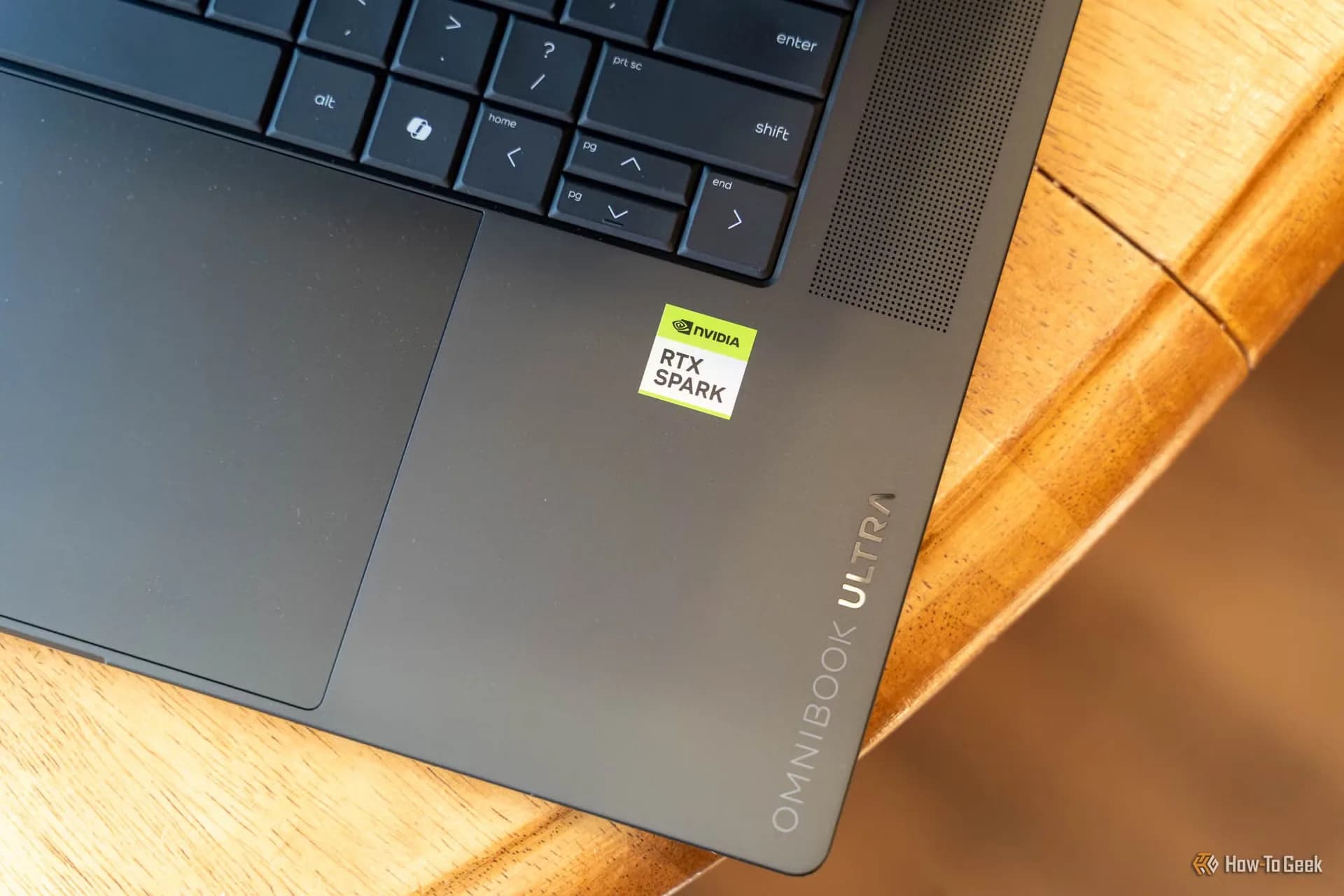
Be the first to comment
Join the argument. No password, just your email or a passkey.