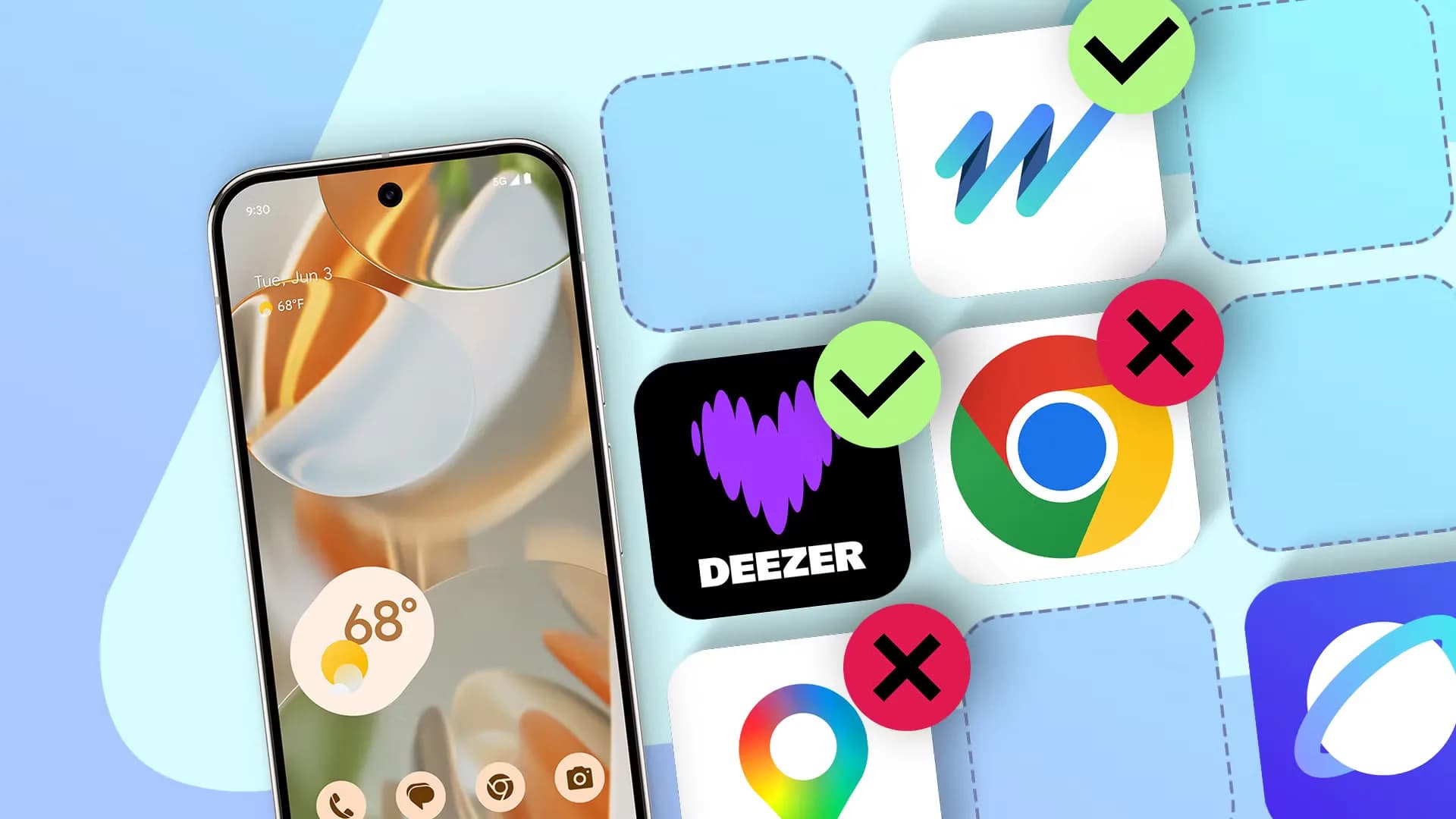
Google Drive isn’t mentioned in the source material. Neither is Vela Maps, AAE, or any new hardware launch. This story is about Android users — specifically Pixel owners, uninstalling Google’s own apps to reclaim speed, storage, and privacy. It’s a software-optimization guide disguised as a confession: I deleted these Google apps for third-party options. My Pixel phone finally runs faster. That’s the headline. That’s the news. Not a product. Not a policy shift. A growing, quiet revolt inside the Android ecosystem. One app at a time. And it’s happening now, on devices already in people’s hands. The report names four Google apps as primary targets: Chrome, Gboard, YouTube Music, and Google Maps. Each is replaced with lighter, less data-hungry alternatives, Firefox Focus or Samsung Browser instead of Chrome. FUTO or Simple Keyboard over Gboard. Deezer in place of YouTube Music. Here WeGo swapping out Maps. The gains are concrete and quantified: up to 500 MB reclaimed from Chrome alone on a Pixel 9 Pro XL. 400–500 MB from keyboard swaps. YouTube Music’s cache once ballooned to 5 GB. Deezer doesn’t come close. Here WeGo uses roughly half the storage of Maps. None of this requires root, custom ROMs, or developer mode. Just uninstalling, disabling, or replacing defaults, something Android still allows, even as Google tightens sideloading controls. The motivation isn’t ideological purity. It’s performance: pages loading without stutter, apps launching faster, battery lasting longer. It’s also privacy: telemetry toggles buried deep in settings, voice and text sent to Google servers by default, location history logged relentlessly. The piece doesn’t claim these replacements are perfect. Firefox Focus erases sessions on exit. Here WeGo falters in rural routing. Simple Keyboard lacks emoji generators. But it does claim they’re faster, lighter, and less invasive, and that those trade-offs make sense for many users. This isn’t niche tinkering. It’s a direct response to how Google’s apps have evolved: bigger, more connected, more persistent. And it’s happening globally, on devices sold in both the US and India. The Pixel 9 Pro XL is available in both markets. No new launch. No price drop. No firmware update. Just users hitting ‘uninstall’, and noticing the difference immediately.
I deleted these Google apps for third-party options; my Pixel phone finally runs faster
Not a new device. Not a new policy. Just users deleting Chrome, Gboard, YouTube Music, and Maps — and finding their Pixels run faster.
By Pocket
The Mobile Desk · (4 hours ago)
Reported from
How this story was made
Written by the Hitechreports desk from the reporting credited above, with facts attributed to their original publishers. We do not test devices ourselves; anything about performance, battery life or cameras comes from the outlets that did. Prices are as reported at the time of writing. Editorial policy · Report an error
Filed by The Mobile Desk
Phones from leak to launch to price cut: what was announced, what it costs where, and when it goes on sale. Indian launches and prices included, not appended.
More from this desk →Read next
More Smartphones →
Google Pixel 11 Pro update support ends August 2033
Google has confirmed the Pixel 11 and Pixel 11 Pro will receive software updates until August 2033 — seven years from their expected launch month.
Gemini in Chrome for Android in India: What's free, what's paid
Gemini is now inside Chrome for Android in India — free for all users. The AI can summarise pages, answer questions about what’s on screen, and connect with Calendar or Keep without tab-hopping. That part requires no subscription. But the new auto-browse feature — where Gemini navigates websites, fills forms, books parking, or adds grocery items to cart — is locked behind Google AI Pro ($19.99/m
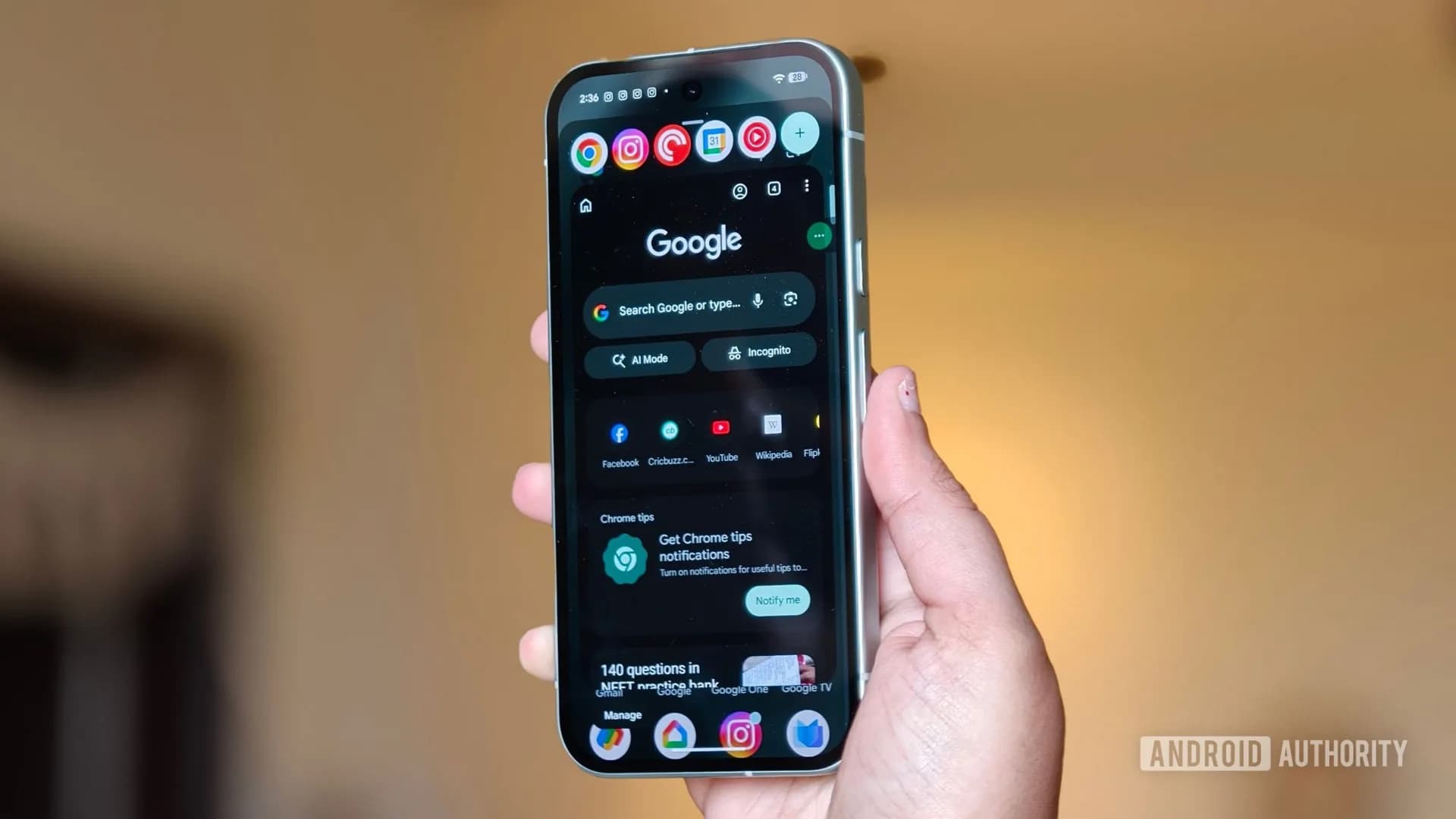
Google brings Email Verification trial to Chrome on Android with Chrome 154
Google is extending its Email Verification origin trial to Chrome on Android, beginning with Chrome 154.
Be the first to comment
Join the argument. No password, just your email or a passkey.