Apple has pushed the starting price of its smaller flagship up by $100 in the US, pricing the iPhone 18 Pro at $1,199 compared to the $1,099 sticker on last year's iPhone 17 Pro. For anyone weighing an upgrade against holding onto older hardware, that bump pays for a moving camera aperture, a denser processor, and a redesigned cooling array.
Mechanical glass and familiar zoom
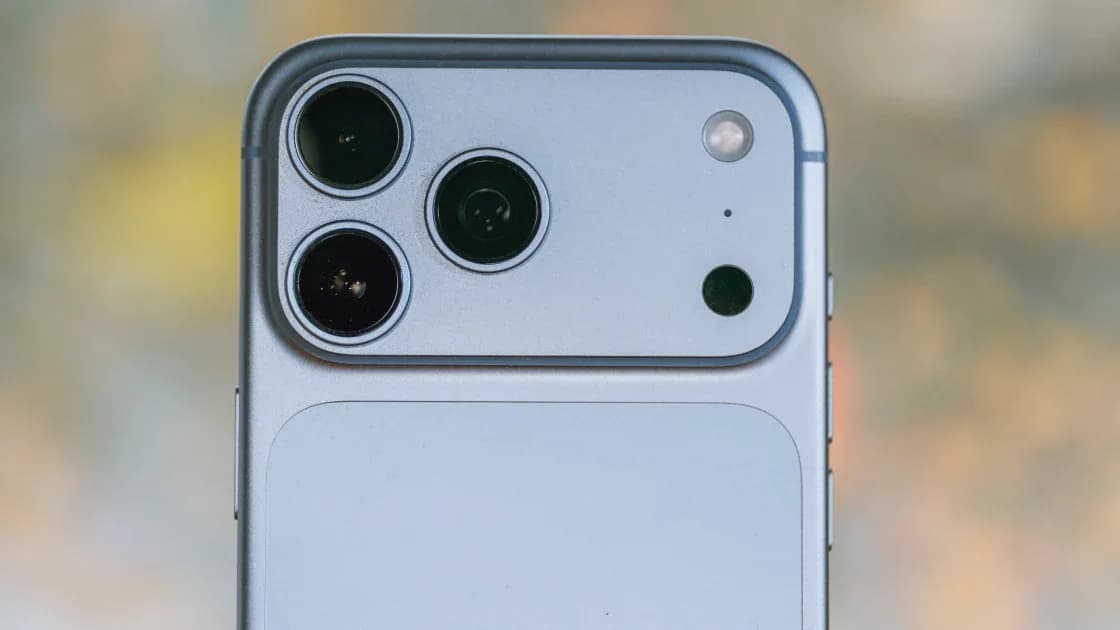
The primary camera represents the most significant functional shift. Every generation between the iPhone 14 Pro and the iPhone 17 Pro relied on a fixed f/1.78 opening. The iPhone 18 Pro swaps that out for a 48-megapixel Fusion sensor governed by a mechanical iris. Six laser-cut blades shift between f/1.48 and f/4.
Opening all the way to f/1.48 pulls in about 45 percent more light than the previous fixed glass, aiding low-light capture and generating natural background blur without computational guesswork. Stopping down to f/4 widens the depth of field to keep group portraits and wide landscapes sharp. Apple also added manual controls for white balance, shutter speed, aperture, and an on-screen histogram. Beyond that main sensor, the optics stay mostly static. The ultrawide and selfie cameras remain untouched, while the telephoto keeps the same 4x and 8x optical-quality crops introduced on the 17 Pro.
2nm silicon and beefed-up cooling
Under the hood, the phone moves to the 2nm A20 Pro, stepping past the 3nm A19 Pro. Both phones stick with 12GB of RAM. The newer platform pairs a six-core CPU with a seven-core GPU, which Apple rates for a 40 percent jump in graphics speed and 50 percent more memory bandwidth. A pair of 16-core Neural Engines doubles on-device AI capacity to run Siri AI features inside iOS 27.
Sustained heat gets addressed directly. Apple bonded an enlarged vapor chamber right against the silicon, packing three times the surface area of the cooling plate found inside the iPhone 17 Pro. The company claims that change alone yields up to 40 percent better sustained throughput under heavy 4K exports and extended gaming.
Battery gains and new finishes
Power numbers also tick upward. In eSIM-only markets such as the US, Canada, Mexico, and Japan, Apple quotes up to 36 hours of video playback against 33 hours on the iPhone 17 Pro. Fast charging reaches 50 percent in roughly 15 minutes with a 40W brick, shaving about five minutes off the prior model. Connectivity leans on internal components, pairing the C2 modem with an N1 chip that brings Wi-Fi 7, Bluetooth 6, and Thread.
From the outside, dimensions remain close enough that an iPhone 17 Pro case still fits the 6.3-inch frame. Peak brightness remains 3,000 nits at 120Hz, though the phone weighs 211 grams, up from 206 grams. The Dynamic Island shrinks while expanding to display three Live Activities at once, and Face ID hardware now sits beneath the display glass toward the top left.
Finishes see a clear shakeup. Cosmic Orange has vanished, replaced by Burgundy alongside Glacier, Silver, and the return of Black. Apple has also introduced a 2TB tier for buyers needing maximum local storage.
MDFiled by The Mobile Desk
Phones from leak to launch to price cut: what was announced, what it costs where, and when it goes on sale. Indian launches and prices included, not appended.
More from this desk →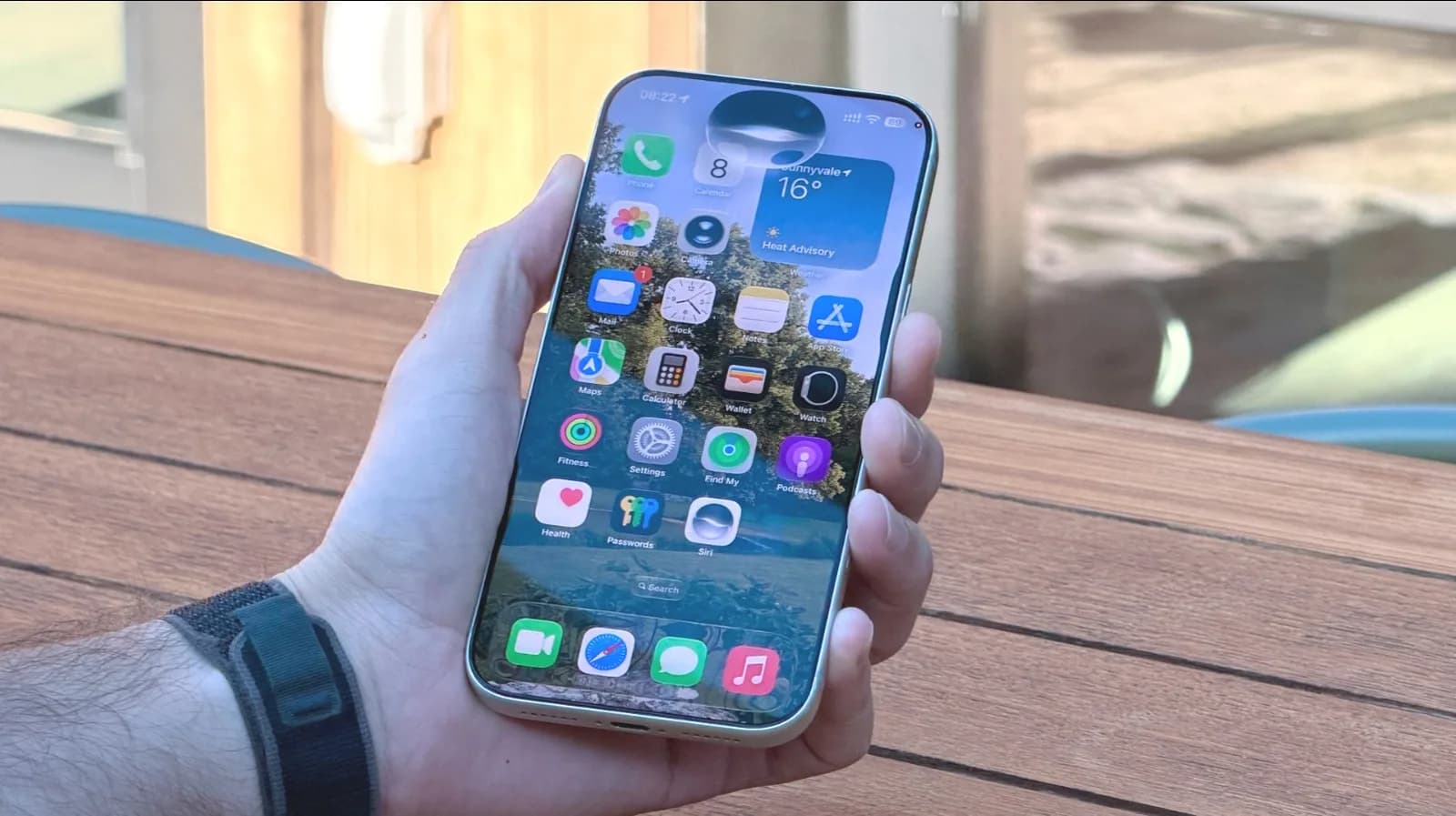

Be the first to comment
Join the argument. No password, just your email or a passkey.