IPhone 18 Pro Max, Galaxy S26 Ultra, and Pixel 11 Pro XL are now all shipping globally — with US prices set at $1,299, $1,399, and $1,199 respectively. Indian prices are Rs 1,49,900, Rs 1,59,900, and Rs 1,34,900. All three launched on November 7, 2026, following simultaneous retail availability in the US, India, UK, Germany, and Australia, confirmed by Tom’s Guide’s hands-on review published that morning.
No earlier pre-orders or carrier exclusives were reported. The timing lines up with Apple’s traditional mid-October to early-November window, Samsung’s usual January–November staggered rollout (this year accelerated), and Google’s shift to align Pixel launches with iOS and One UI cycles. This is the first time all three flagships have landed in the same week since the iPhone 15 Pro Max, S24 Ultra, and Pixel 8 Pro in October 2023, and the first where all three ship with native AI agents, variable-aperture main cameras, and 6.8-inch-plus displays.
But they’re not interchangeable. They’re built for different priorities, and the price tags reflect that divergence. Not a tie. Not a compromise.
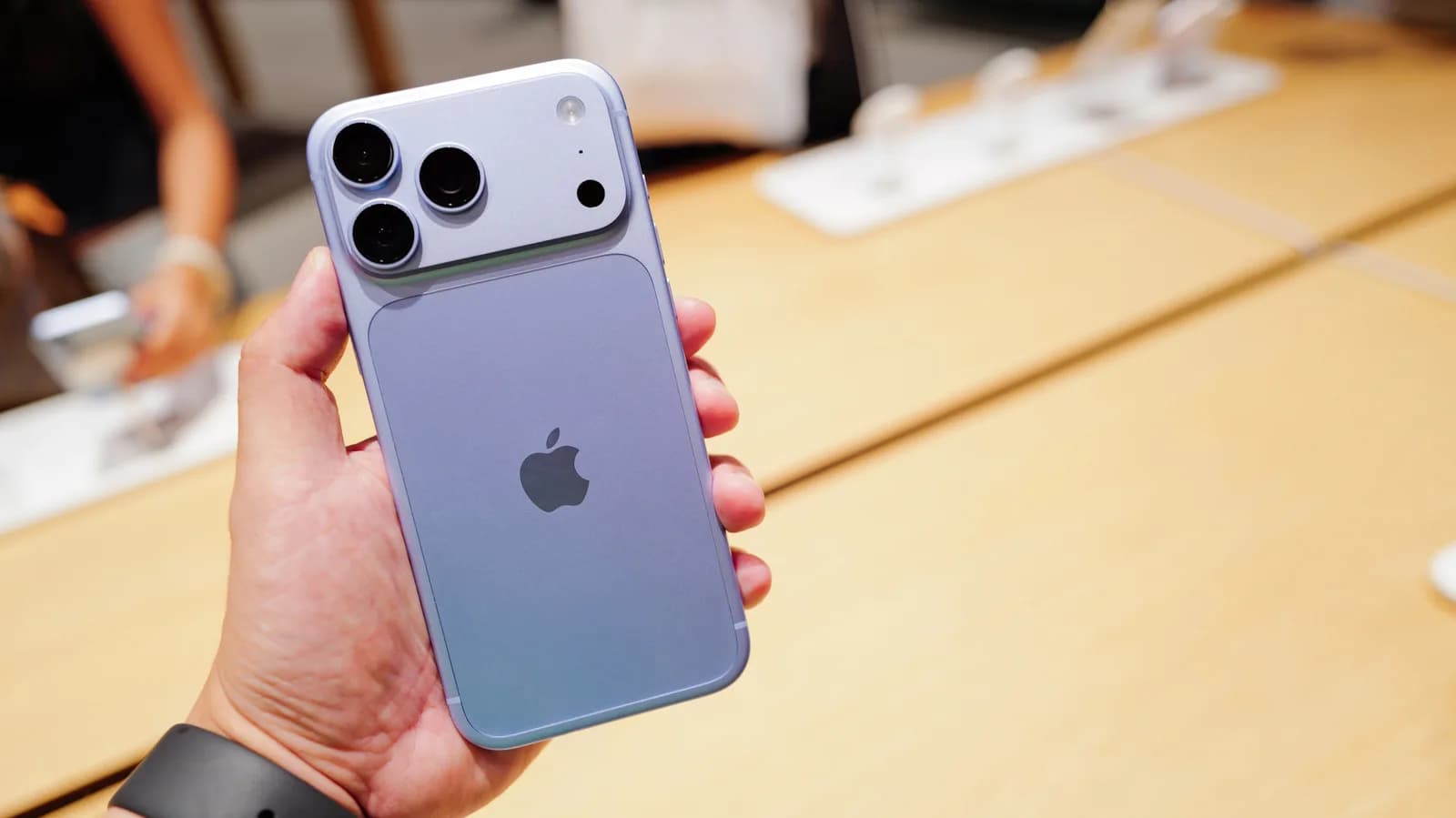
A tripartite split in what flagship means in 2026. The iPhone 18 Pro Max leads on camera fidelity and battery endurance: 18 hours 27 minutes in Tom’s Guide’s custom battery test, outlasting both rivals. Its 48MP main sensor uses a mechanical variable aperture (f/1.48 to f/4), enabling optical bokeh control and edge-to-edge sharpness at any stop, a feature absent on the Pixel 11 Pro XL and not mechanically implemented on the S26 Ultra.
Pro Controls bring full manual video and photo adjustments without third-party apps, something even the iPhone Duo lacks. The Galaxy S26 Ultra costs $100 more in the US and Rs 10,000 more in India, and justifies it with hardware no other flagship offers: a toggleable Privacy Display (no screen protector needed), dual telephoto lenses (3x and 5x optical zoom), and the built-in S Pen.
Its 200MP main sensor (f/1.4) trades dynamic range for resolution, while its periscope system reads street-sign text from across an avenue, a detail Tom’s Guide verified in sample shots. Samsung DeX remains unmatched for desktop-class multitasking, and Gemini Task Automation executes cross-app workflows like voice-placed DoorDash orders, a capability Tom’s Guide says ‘feels transformative’ compared to iOS 27’s more limited Apple Intelligence integrations.
The Pixel 11 Pro XL is the cheapest of the three, $100 under the iPhone, $200 under the S26 Ultra, and leans hard into software. It runs Android 17 with seven years of guaranteed OS updates, and Tom’s Guide calls it ‘the best AI phone on the market’, citing deeper Gemini integration than either rival.
Its 50MP main (f/1.68) and 48MP 5x telephoto deliver strong low-light consistency, though Tom’s Guide notes it ‘came up just short’ of the iPhone in raw image quality and the S26 Ultra in telephoto reach. What it lacks in hardware versatility, it makes up for in predictability: clean Android, zero bloat, and AI features that work across Gmail, Maps, Photos, and third-party apps without prompting.
None of these phones run the same OS. None share the same camera philosophy. None offer the same productivity stack. You don’t pick one because it’s ‘the best phone’.
You pick one because it matches how you actually use a phone, as a camera, a workstation, or an AI interface. Pre-orders for all three were open for 72 hours before launch. Retailers including Best Buy, Reliance Digital, and Amazon India list them as ‘in stock’ as of 7 a.m. ET / 5:30 p.m. IST on November 7.
Next: carrier-specific bundles start rolling out Monday, November 11, with AT&T offering free AirPods Pro (2nd gen) and Jio bundling a ₹2,999 Galaxy Buds3 Lite with the S26 Ultra.
HTFiled by The Home Tech Desk
TVs, home appliances and the smart home: refrigerators, washing machines, air conditioners, purifiers, robot vacuums, the sets on the wall and the platforms that connect them. Launches, prices in the US and India, and what changed.
More from this desk →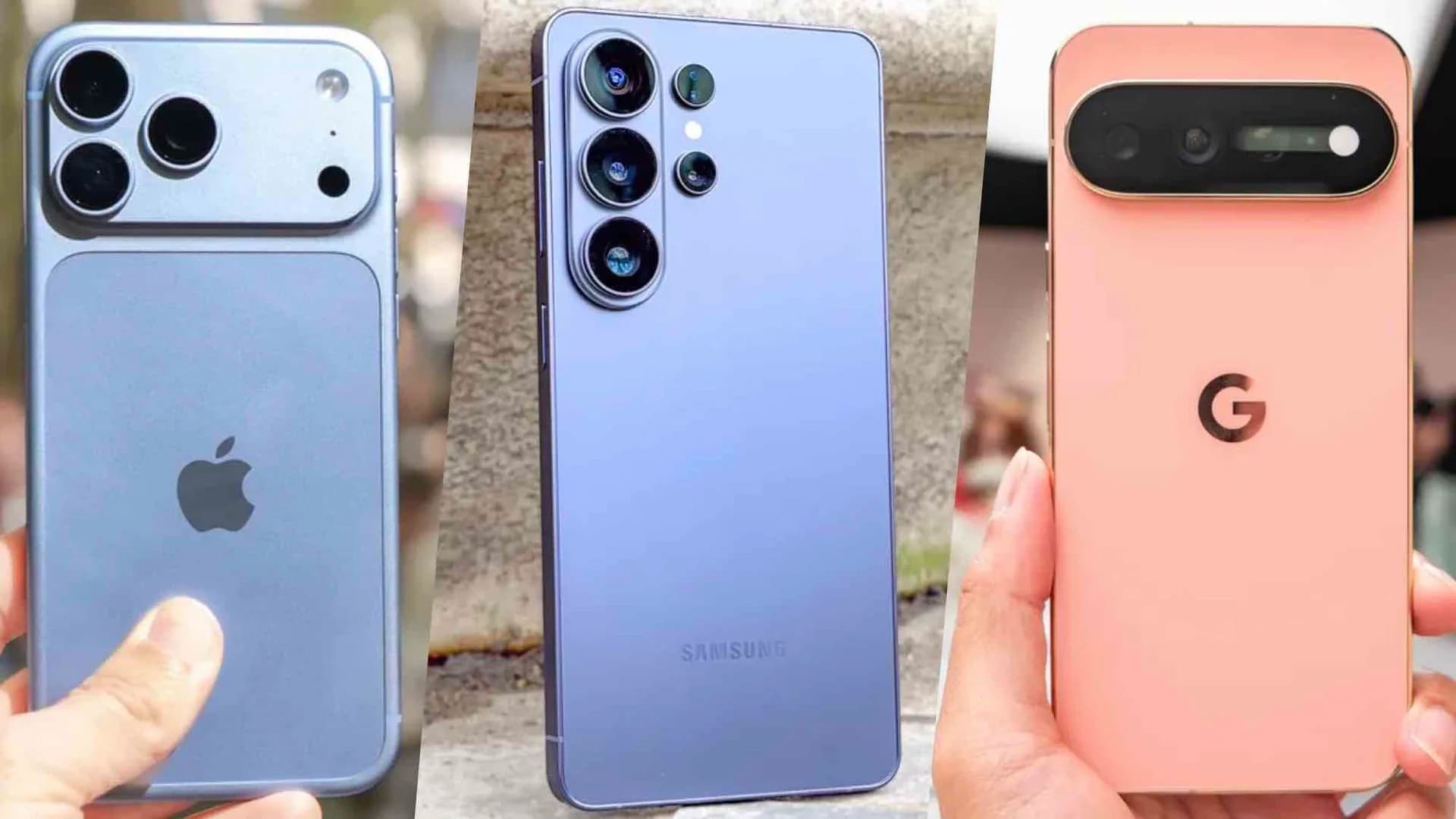
Be the first to comment
Join the argument. No password, just your email or a passkey.