Apple has confirmed it puts water inside its newest iPhones — on purpose. The iPhone 18 Pro and iPhone 18 Pro Max, launched September 9, 2026, ship with vapor chambers containing deionized water, sealed inside the phone’s aerospace-grade aluminum unibody using laser welding. This is the first time Apple has publicly acknowledged and detailed liquid-based thermal management in an iPhone.
It’s also the first time the company has named the coolant: deionized water. Not gel. Not oil. Water.
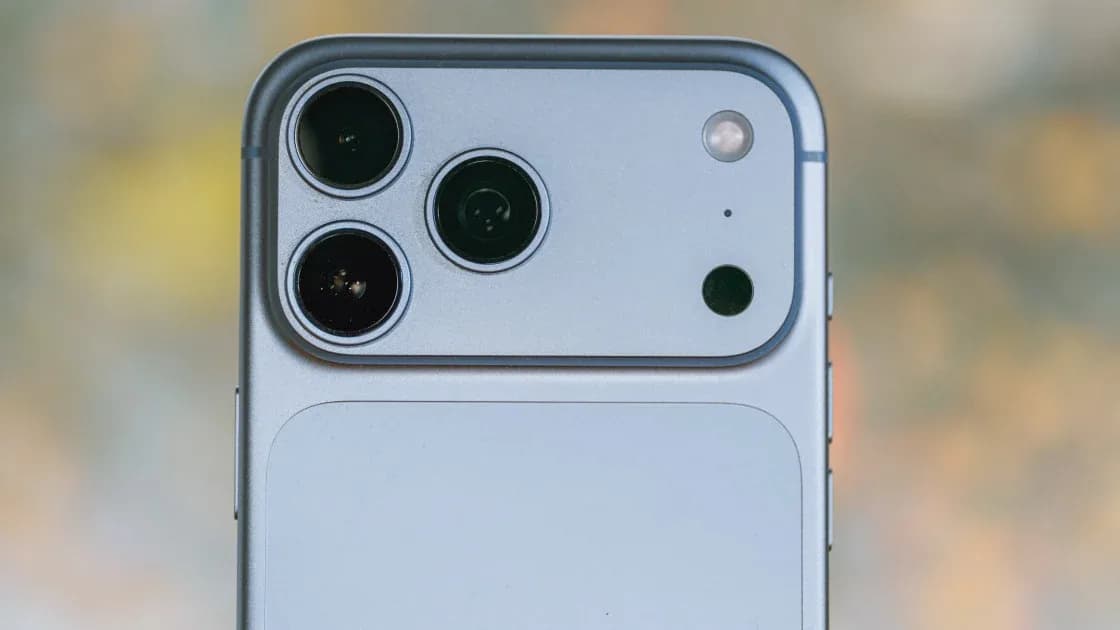
Boiling and condensing inside a sealed metal pocket to move heat away from the A20 Pro chip. Apple says the new chamber delivers up to 40% better sustained performance than the iPhone 17 Pro. That claim hinges on two changes: the chamber itself is three times larger in surface area than last year’s, and Apple moved the phone’s memory out from under the processor, letting the A20 Pro sit directly against the vapor chamber.
The iPhone 17 Pro, released in September 2025, introduced the same core technology, but with a smaller chamber and titanium construction. That model switched to aerospace-grade aluminum specifically for better thermal conduction, and dropped titanium partly to make room for the vapor chamber. The iPhone Air remains untouched by this engineering.
It still relies on traditional copper and graphite heat spreaders, no vapor chamber, no water, no mention of liquid cooling in Apple’s materials. Neither does the rumored standard iPhone 18, expected in spring 2027. This isn’t vaporware. Samsung used heat pipes in the Galaxy S7 in 2016.
Google and Samsung have since adopted vapor chambers in high-end Pixels and Galaxy flagships. But Apple’s rollout is unusually fast: one generation (17 Pro) introduced it. The next (18 Pro) tripled its scale and integrated it more deeply into the chip layout. Experts note the trade-offs.
A thinner vapor chamber loses efficiency versus solid copper, according to Stanford’s Kenneth Goodson. And sealing deionized water reliably in a device that must survive temperature swings, drops, and years of use is nontrivial, some competing designs add antifreeze agents to prevent cracking. Apple’s press release makes no mention of additives.
It simply states the water is deionized and the chamber laser-welded. Pricing is unchanged from launch: $1,199 for the iPhone 18 Pro (256GB), $1,399 for the iPhone 18 Pro Max (256GB) in the US. In India, the iPhone 18 Pro starts at Rs 1,49,900, the Pro Max at Rs 1,69,900.
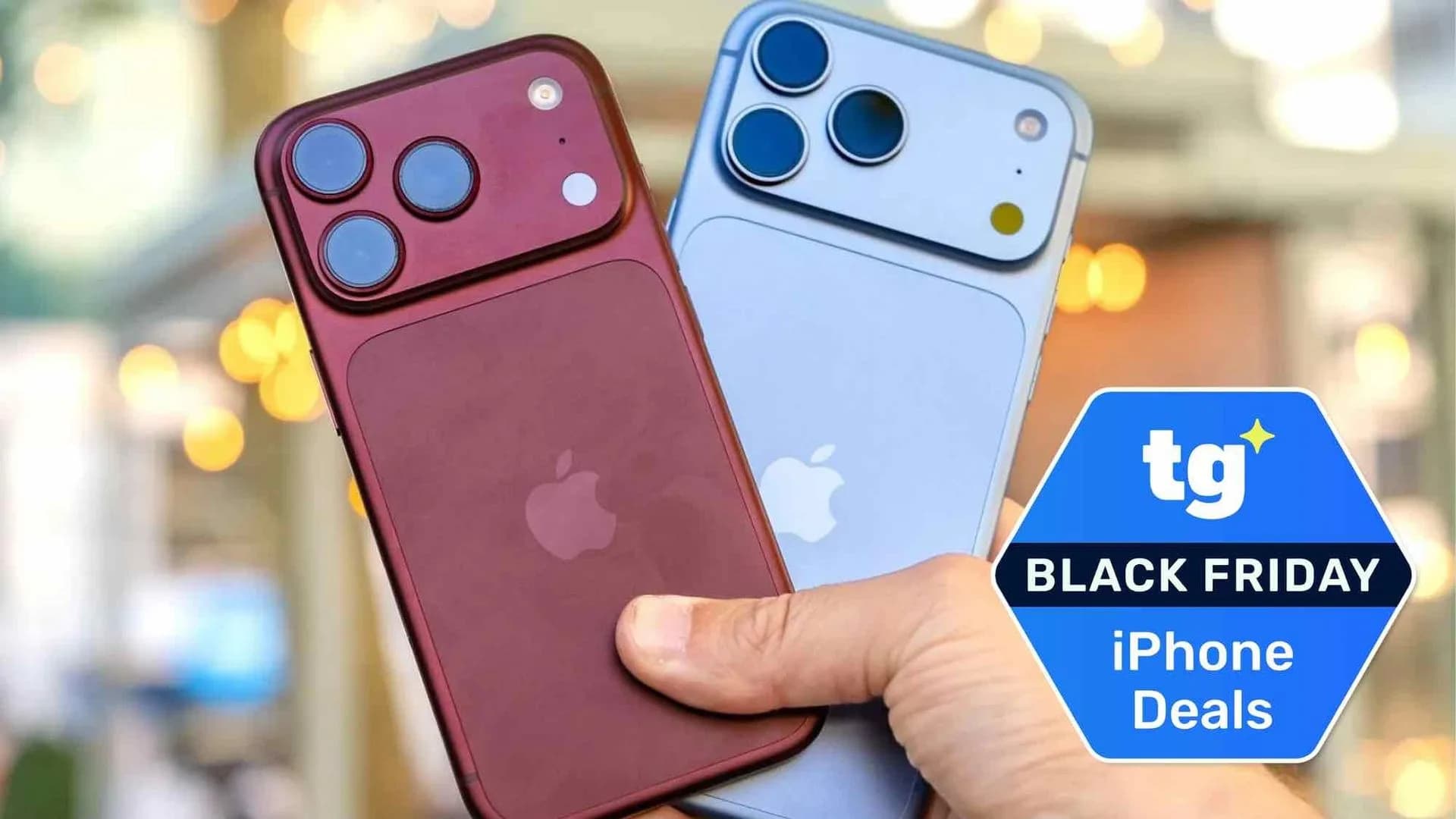
Both are excluded from Apple’s Black Friday gift card offer running November 27–30. So who benefits? Gamers. AI developers running local LLMs.
Anyone pushing sustained CPU or GPU loads. Throttling drops when heat moves faster, and water, phase-shifting between liquid and vapor, moves it faster than solid metal alone. What’s next? Apple hasn’t confirmed plans for the iPhone Duo or standard iPhone 18, but Macworld notes both are expected in spring 2027, alongside rumors of a 20th-anniversary ‘iPhone 19’ or ‘iPhone 20’ with under-display Face ID and solid-state buttons.
For now, water and phones aren’t just coexisting. They’re working together.
GDFiled by The Gadgets Desk
Audio, wearables, cameras, tablets, chargers and every other device worth carrying or plugging in.
More from this desk →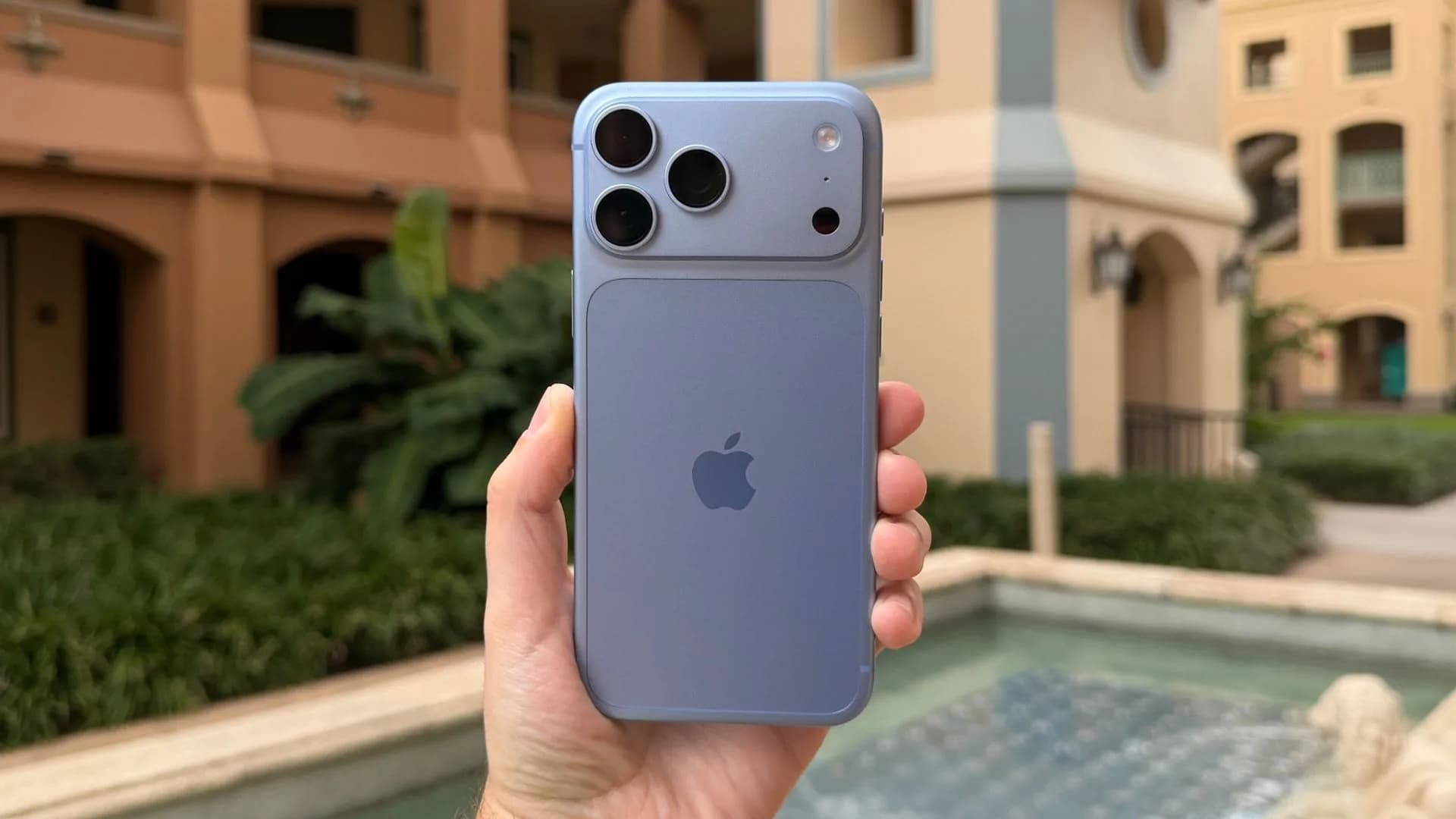
Be the first to comment
Join the argument. No password, just your email or a passkey.