Apple put a mechanical aperture on an iPhone for the first time, but early evaluations suggest the hardware change is not the sweeping leap the company claims.
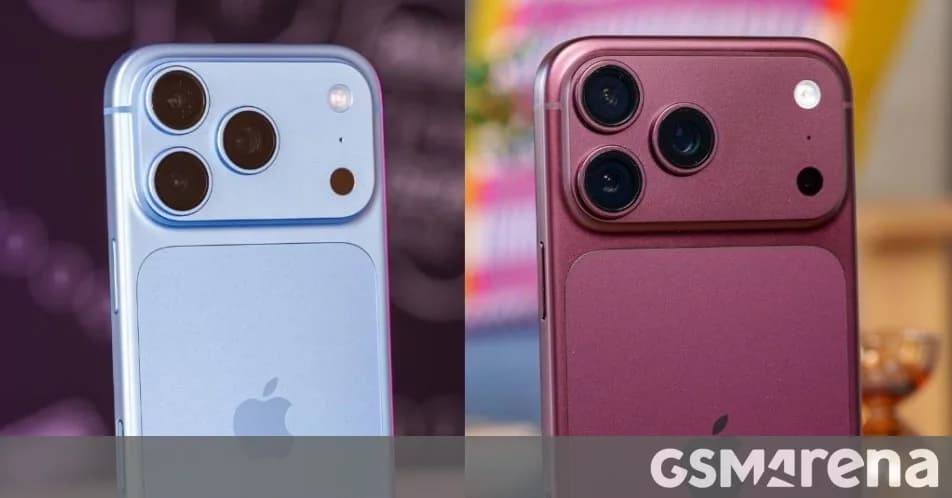
In an extensive evaluation of the camera system, PCMag found that the new variable aperture on the iPhone 18 Pro and iPhone 18 Pro Max provides niche creative utility rather than a drastic shift in everyday mobile photography. The outlet evaluated the 6.9-inch iPhone 18 Pro Max, which shares an identical triple-camera array and image pipeline with the 6.3-inch iPhone 18 Pro. The two variants differ under the hood in battery capacity and modem hardware, but their imaging capabilities match across the board.
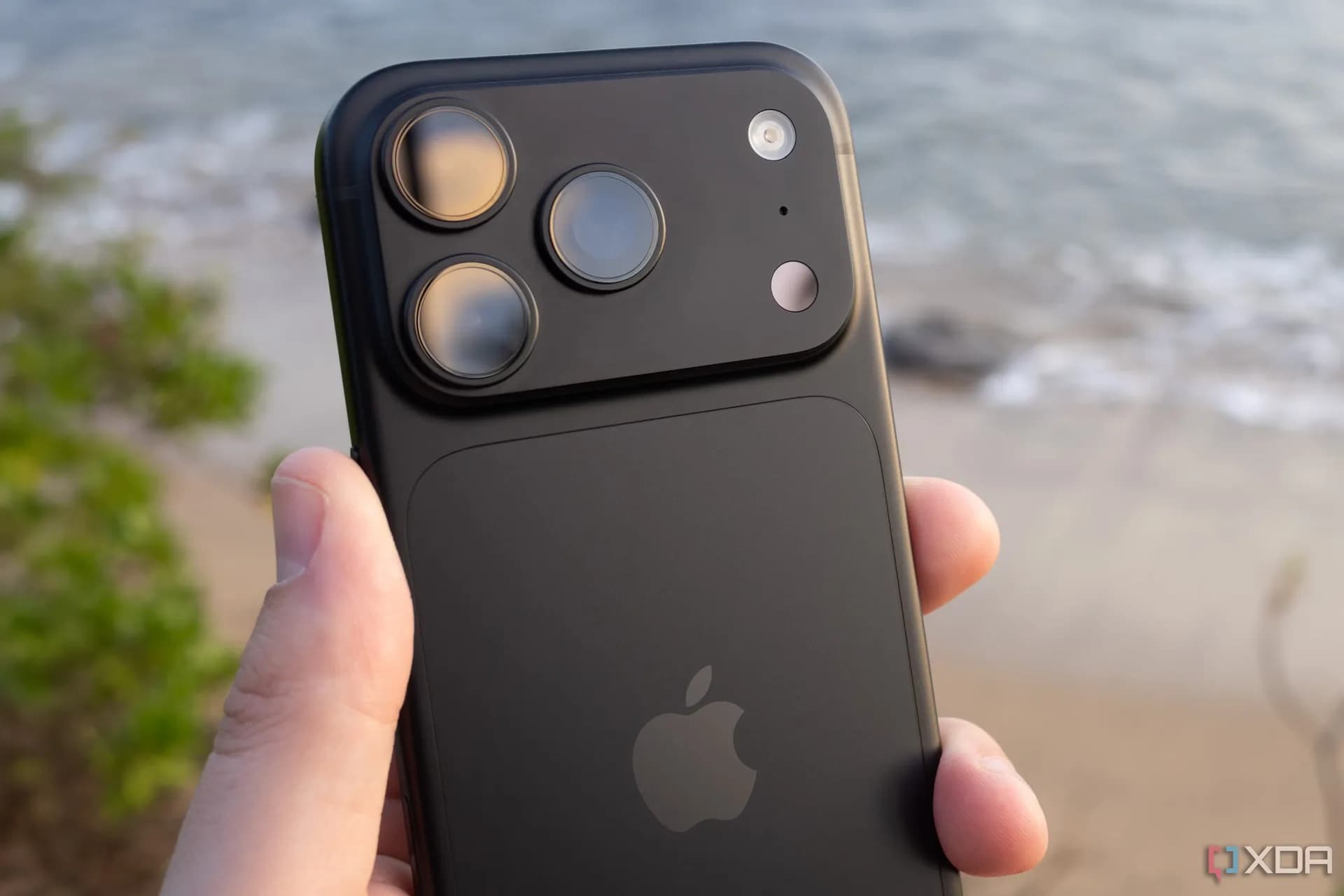
Both phones introduce a revamped 24mm primary lens with a wide f/1.48 maximum opening, gathering about 50 percent more light than the fixed f/1.78 lens on the iPhone 17 Pro. The physical iris steps between four specific settings: f/1.48, f/1.8, f/2.8, and f/4.0. According to PCMag, the default Camera app settles on f/1.8 across most shooting environments, stepping out to f/1.48 only when ambient lighting drops.
Close inspection of 48-megapixel test crops revealed that fine detail looks sharpest at f/1.8 and f/2.8. Textures soften slightly at f/1.48 and f/4.0. Photographers who take manual control can dial in f/2.8 to keep backgrounds clearer in close-ups, while stopping down to f/4.0 scatters point lights into four-point sunstars.
However, stopping down the aperture cannot overcome bright sunlight for long exposures. PCMag found that even at f/4.0 on a clear day, the slowest viable exposure without blowing out the highlights was 1/60 of a second. That is far too rapid to blur water or pedestrian traffic. Without a computational stacking feature like the Live ND tool found on OM System cameras, buyers wanting daytime motion blur still need external clip-on neutral density glass from third-party accessory makers like Moment.
The surrounding focal lengths stick to familiar ground. The 13mm ultra-wide remains broader than dedicated compacts such as the Canon PowerShot G7 X Mark III at 24mm or the Insta360 Luna Ultra at 20mm. At the opposite end, the 100mm 4x telephoto mirrors the iPhone 17 Pro, stepping back from the tighter 120mm 5x periscope on the iPhone 15 Pro and 16 Pro. Each optical path feeds a 48-megapixel Quad Bayer sensor, which lets the system crop into images digitally without sacrificing picture detail.
Rather than the aperture mechanism or the niche Reference Image option, PCMag singled out the analog-inspired Styles filters as the standout addition. The reviewer argued the presets reproduce vintage film grain and color more convincingly than the dedicated Film Simulation modes on Fujifilm's X100VI compact camera.
For shoppers weighing an upgrade, the camera array delivers calculated polish rather than an urgent reason to trade in last year's hardware.
MDFiled by The Mobile Desk
Phones from leak to launch to price cut: what was announced, what it costs where, and when it goes on sale. Indian launches and prices included, not appended.
More from this desk →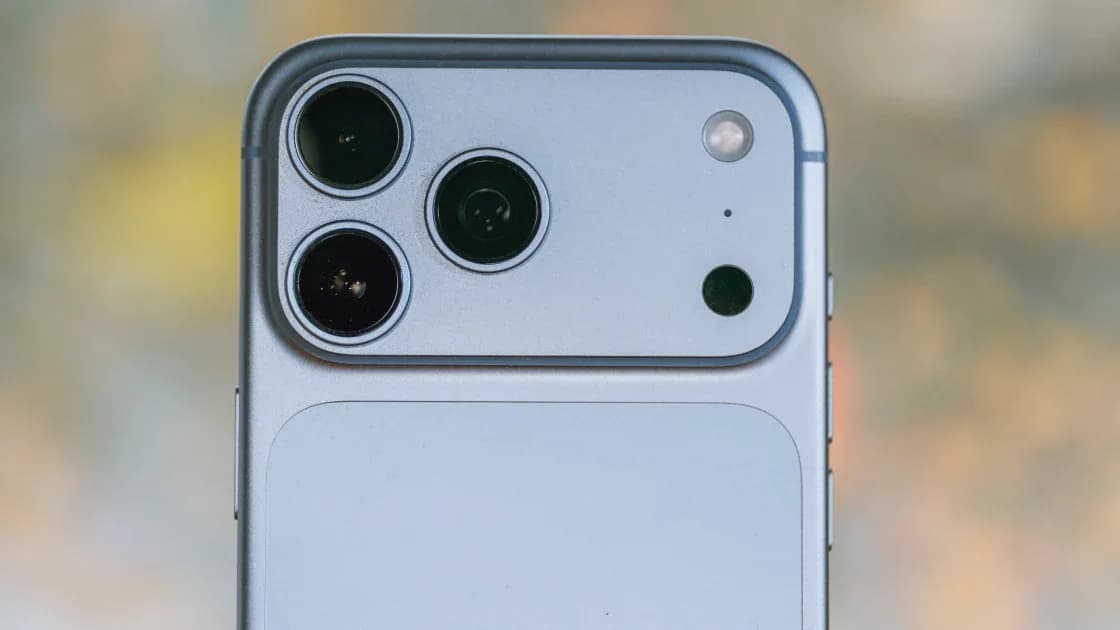
Be the first to comment
Join the argument. No password, just your email or a passkey.