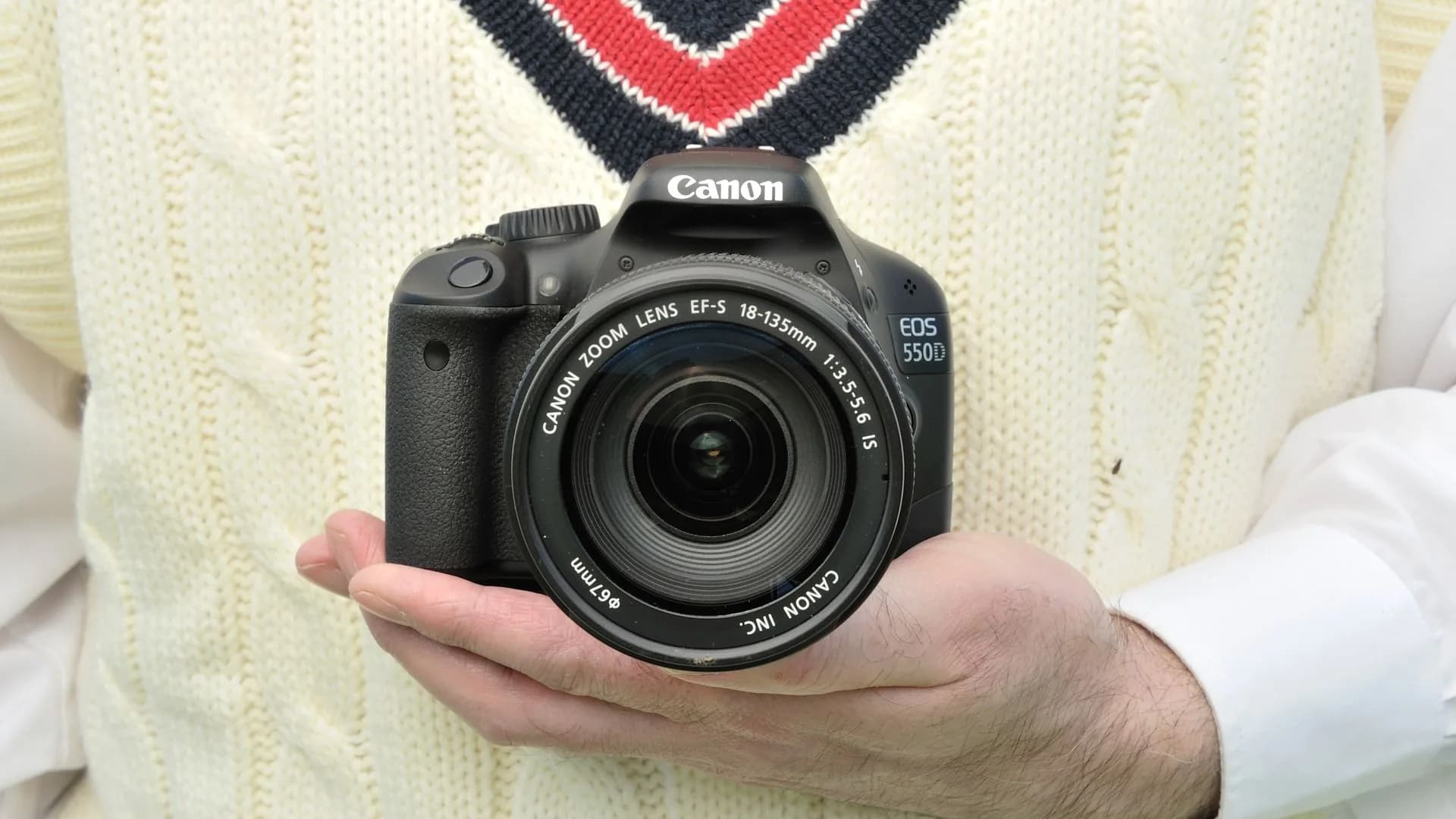
Canon EOS 550D DSLRs — launched in 2010, are still available on the second-hand market globally, priced at roughly the same level as new entry-level point-and-shoot cameras, Digital Camera World reports. That makes them accessible to photography students, beginners, and anyone who wants full manual control without paying for modern sensor tech or AI-powered processing. The camera features an 18-megapixel APS-C sensor, optical viewfinder, and compatibility with Canon EF and EF-S lenses. All housed in a body that weighs 530g with battery and SD card. It’s not built for video by today’s standards, nor does it handle fast action well. But it delivers consistent image quality, real-time feedback when adjusting aperture, shutter speed, or ISO, and zero algorithmic smoothing or computational noise reduction. Gavin, editor of British Photographic Industry News and longtime contributor to T3, BBC Focus, and What Digital Camera, calls it his go-to for intentional photography, the kind where you choose the lens, frame the shot, and develop the file yourself. He notes his nieces have borrowed it while learning photography as students. He also points out that the DSLR’s eye-level viewfinder removes peripheral distractions. And, unlike an Internet-connected phone, cuts out notifications, social feeds, and the ambient buzz of being online. That focus, he writes, makes for a ‘purer’ form of photography, not in a pretentious sense, but in how it centers attention on composition, light, and exposure rather than on sharing, tagging, or algorithmic enhancement. The images may look flatter straight out of camera compared to iPhone 18 Pro shots, but that’s by design: they retain shadow detail and tonal range, leaving room for deliberate post-processing. And while smartphones rely on digital guesswork to fill gaps in low light, the EOS 550D uses physics. Bigger sensor area, real glass optics, to gather more light upfront. Yes, it asks more of the user. You need to understand exposure triangle basics to get the best results. But that’s part of the appeal, Gavin argues: learning happens in real time, through tactile interaction with dials and buttons, not through tapping icons on a touchscreen. No firmware update, no press release, no launch event. Just working gear, priced like a disposable camera, doing what it was built to do.
iPhone 18 Pro vs Canon EOS 550D: why older DSLRs still matter for real photography
A 16-year-old DSLR is cheaper than a new point-and-shoot — and still outperforms smartphones for deliberate, manual photography.
The Gadgets Desk · (1 hour ago)
Reported from
How this story was made
Written by the Hitechreports desk from the reporting credited above, with facts attributed to their original publishers. We do not test devices ourselves; anything about performance, battery life or cameras comes from the outlets that did. Prices are as reported at the time of writing. Editorial policy · Report an error
Filed by The Gadgets Desk
Audio, wearables, cameras, tablets, chargers and every other device worth carrying or plugging in.
More from this desk →Read next
More Cameras →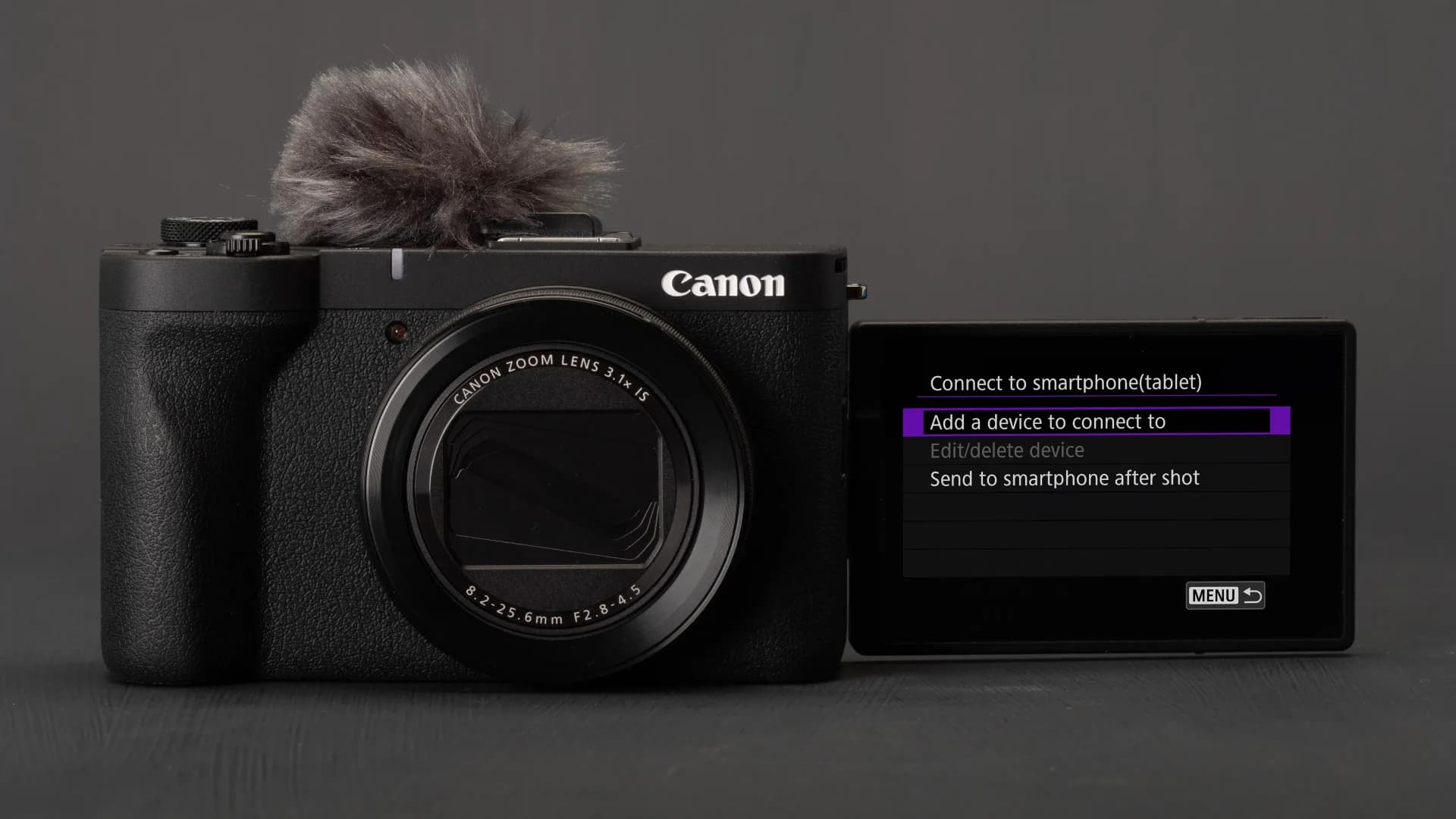
Canon Cameras Face Split Mobile Features Across iOS and Android Apps
Canon Camera Connect handles files very differently on iOS compared to Android. Hands-on testing revealed Android users cannot download Raw or HEIF files directly, while iOS demands repeated Wi-Fi approvals.
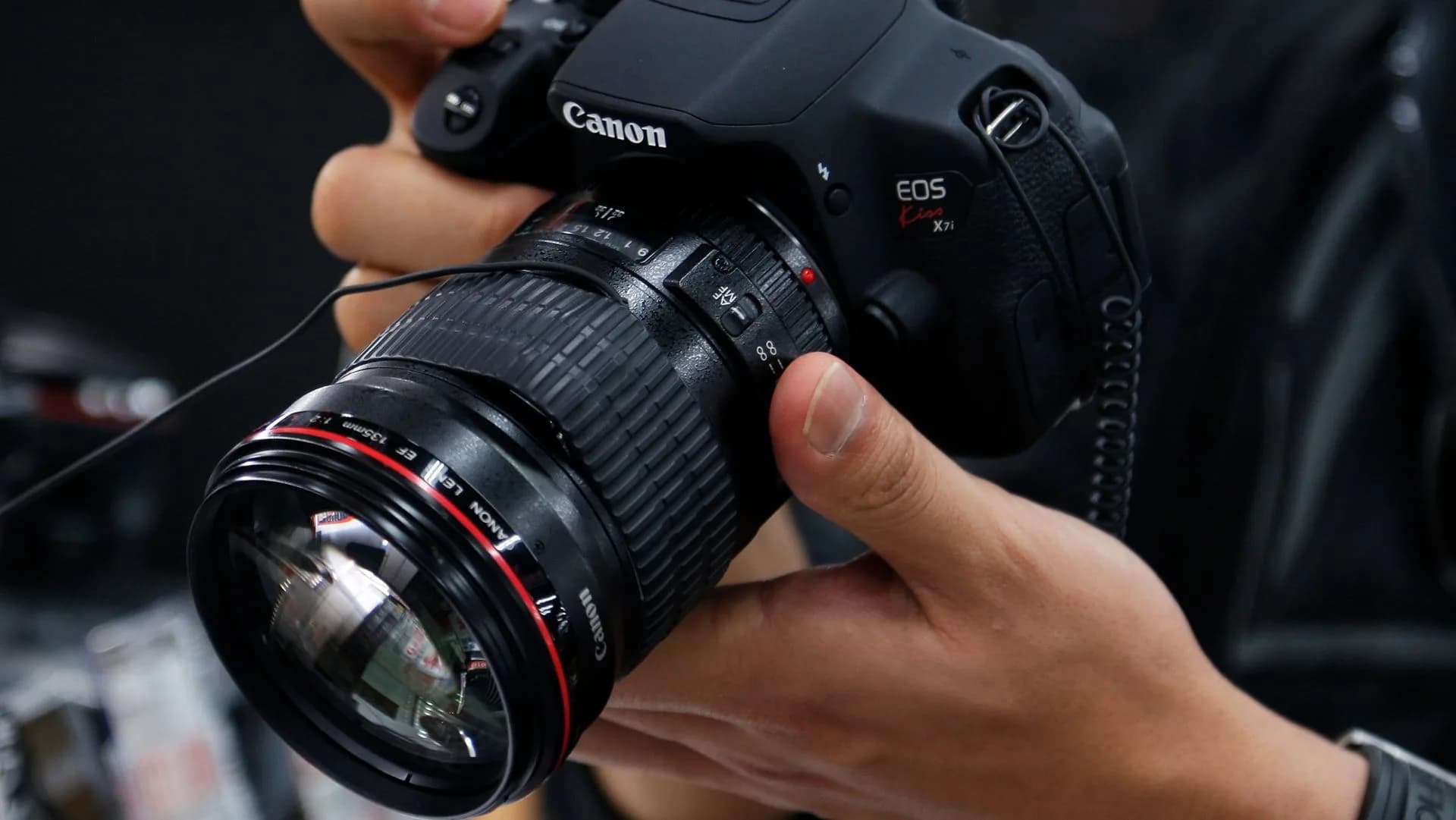
Canon Retires Official Repair Services for Five Older EF Lenses
Canon Japan is officially winding down repair support for five EF and EF-S lenses by late 2026, ending a 30-year maintenance run for its classic 135mm prime.
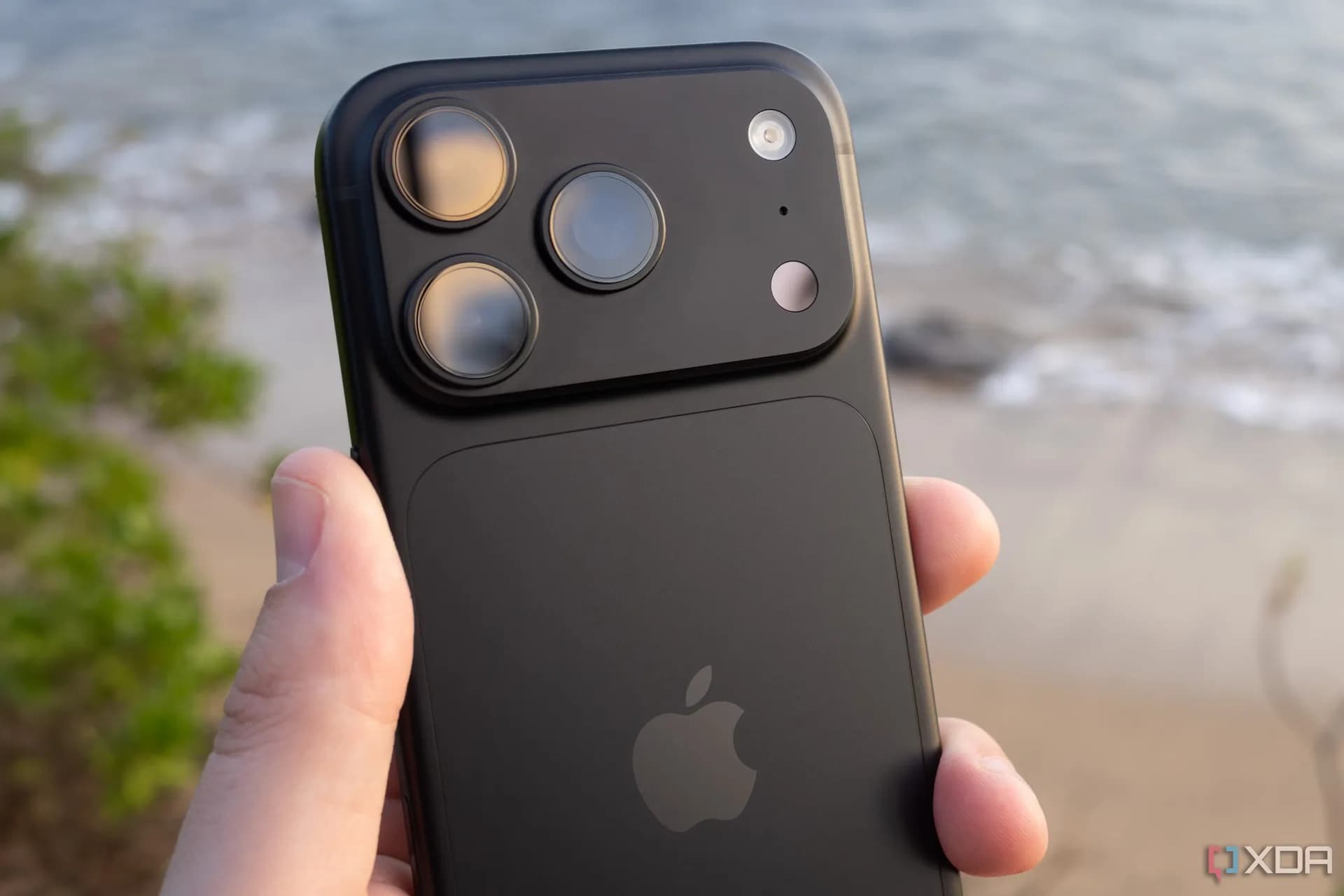
iPhone 18 Pro and Pro Max launch at $1,200: same body, new variable aperture, smaller Dynamic Island
The iPhone 18 Pro and Pro Max launch at $1,200 and ₹1,39,900. They’re identical to the iPhone 17 Pro in design and dimensions — a deliberate 'S' year iteration focused on camera refinements and thermal efficiency, not overhaul.
Be the first to comment
Join the argument. No password, just your email or a passkey.