Linus Torvalds has found an unexpected helper for his coding projects. While open-source maintainers argue over whether machine-generated contributions should be banned from their repositories, the creator of Linux says he has come around to using large language models himself.
Torvalds shared his perspective during an on-stage conversation with Dirk Hohndel at Open Source Summit Europe, according to coverage spotted by ZDNet. His early impression of machine assistance was lukewarm, but his attitude shifted as the systems improved. Today, Torvalds says the software brings back some of the simple fun he felt when he first picked up computing decades ago.
He was quick to set boundaries, though. Developers need to stay "very careful" if they plan to rely on these models for anything beyond quick experiments or lightweight prototypes.
"I used to think it was just not very good — but now I’m at the point where I actually really like using AI," Torvalds explained during the session. "To be fair, I don’t do a lot of kernel programming. I’m a maintainer. The Linux kernel is a project where other people do the real work, and I act as the collection point. But I still enjoy programming immensely. I think AI is a wonderful tool if you use it correctly and treat it as a tool, and I find it makes programming much more enjoyable."
Torvalds traced his perspective back to his origins in 1981. In those days, a programmer could write a handful of lines and immediately observe the hardware responding. Modern software stacks have grown so layered and massive that newcomers often struggle to feel that their isolated changes make any noticeable impact. Using machine models to whip up functional software on the fly can restore that feeling of immediate accomplishment, giving beginners a quicker path to enjoying the craft.
Outside of review work, Torvalds also leans on automated help to cover gaps in his own technical range. While tinkering with a guitar pedal interface written in C, he disliked that the visual layout looked dated. He turned to automated models to port the interface into Java, a language he openly avoids. As Torvalds put it, "I don’t do Java. I do kernels." The generated output was rough around the edges, but it translated his C logic cleanly enough for him to understand the result.
The stance arrives at an awkward moment for the broader Linux and free-software ecosystems. Maintainers across dozens of prominent projects remain sharply divided on artificial intelligence. Some teams have issued blanket prohibitions against contributions generated by automated systems, citing code quality and unclear provenance, while others have introduced narrow compliance guidelines or reversed earlier restrictions entirely. Torvalds stepping forward as an enthusiastic user will not end those arguments, but it does show that the person steering the world's most critical open operating system is not ignoring the shift.
ADFiled by The AI Desk
Models, assistants and the companies and chips behind them, reported from what was released and what was claimed, with the difference kept clear.
More from this desk →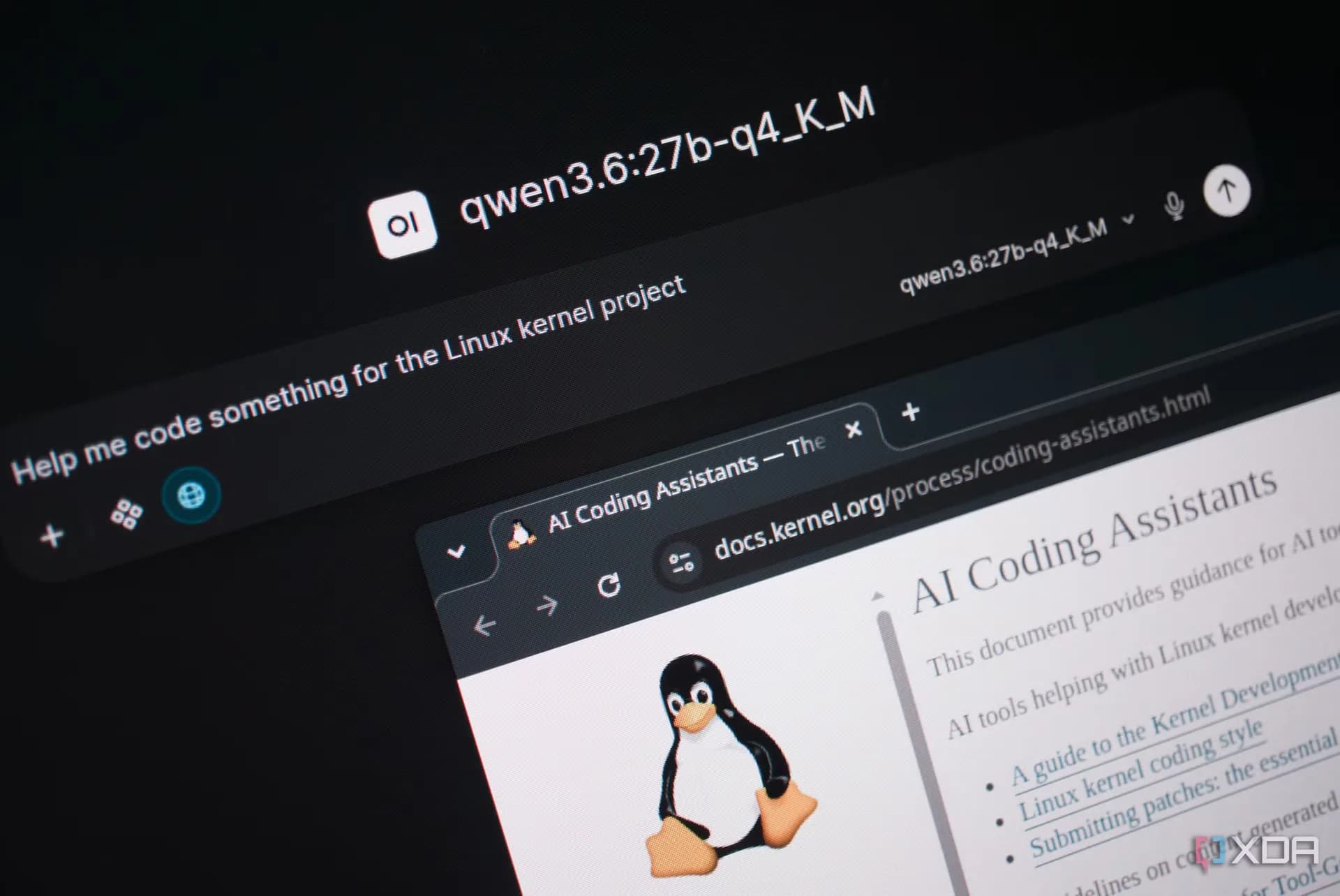
Be the first to comment
Join the argument. No password, just your email or a passkey.