Claude Code is now helping hardware hackers reverse-engineer devices, write microcontroller firmware, and build Linux drivers — not as a lab curiosity, but in real projects shipping today. Developers are using it to unlock Bluetti inverters, Ray-Ban Stories glasses, Plustek film scanners, and ThinkPad webcams on Linux, all without official support.
The tool isn’t replacing engineers. It’s compressing months of trial-and-error into hours of iterative debugging, especially where documentation is missing or protocols are opaque. And unlike earlier AI coding tools, Claude Code is showing up in the hardware layer: USB captures, kernel driver patches, ESP32 pinout decisions, Rust-based MQTT bridges, and SANE backend integrations, not just web apps or scripts.
That shift matters because hardware compatibility is rarely solved in the cloud. It’s solved in kernel trees, device trees, and serial consoles. And that’s where this is landing. XDA Developers reports Christian Schaller got his Plustek OpticFilm 8200i scanner working on Linux in under a day using Claude Code, after abandoning the effort months earlier.
He captured Windows USB traffic in a VM, fed the logs to Claude Code, and used its analysis to align his experimental Linux driver with the proprietary behavior. Within hours: first scan. Within days: infrared support. Separately, he fixed his ThinkPad X1 Carbon Gen 14’s dark, color-shifted webcam by comparing Windows driver register settings against the Linux libcamera implementation, patches were ready for upstream review the same day.
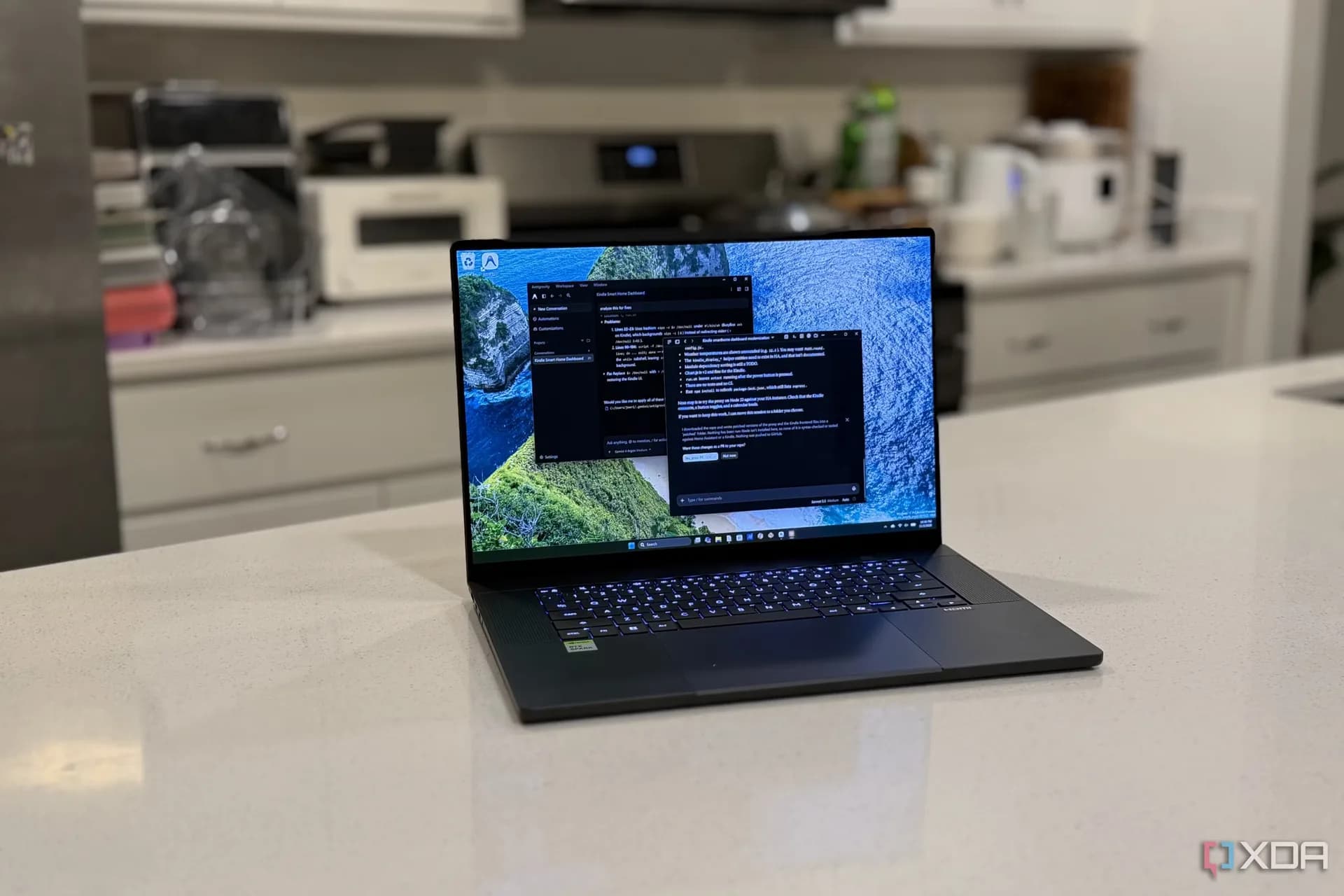
Others are building ESP32-based touchscreen music controllers, wireless network monitors, and digital hourglasses with 211-LED PCBs, all guided by Claude Code’s wiring diagrams, Arduino sketch generation, and serial output interpretation. An open-source skill even lets users flash firmware directly from the terminal. One developer reverse-engineered the Bluetti EP760’s Bluetooth stack and cloud APIs to build a local Rust-MQTT bridge for Home Assistant.
Another replaced Meta’s Ray-Ban Stories Android app entirely, downloading videos, checking battery, accessing storage, without touching Meta’s servers. None of these are theoretical. They’re live repos, documented GitHub issues, and merged SANE backends. Linux support isn’t just “next.” It’s already happening, in the margins, by individuals, one USB trace at a time.
Anthropic hasn’t announced Linux-specific features. There’s no official SDK or hardware API. But developers are treating Claude Code like a collaborative debugger with infinite patience, and it’s working. The next bottleneck isn’t the AI.
It’s upstream review, testing, and maintenance. Schaller has released hw-harness, an open toolkit to help others replicate his USB capture + diff + patch workflow. That’s the real signal: this isn’t about faster coding. It’s about lowering the floor for hardware-level intervention, and making Linux compatibility less dependent on vendor goodwill.
ADFiled by The AI Desk
Models, assistants and the companies and chips behind them, reported from what was released and what was claimed, with the difference kept clear.
More from this desk →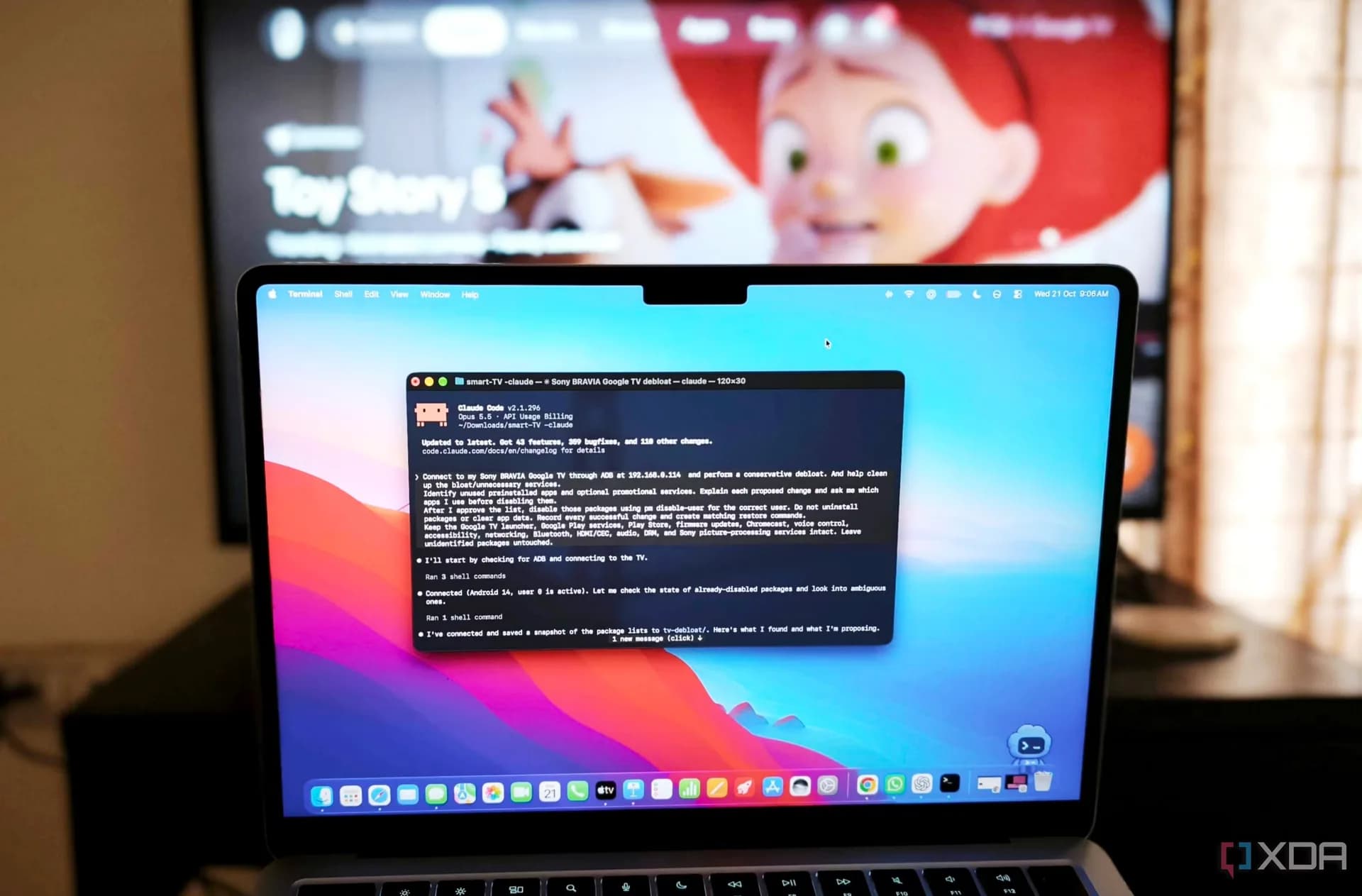

Be the first to comment
Join the argument. No password, just your email or a passkey.