Apple’s first touchscreen MacBook Pro — the 14-inch MacBook Pro with PROLED XDR display, has shipped, and iFixit’s teardown confirms what many suspected: it’s not a repair-friendly machine, despite modest improvements over last year’s model. The device, unveiled in late October, carries a 5/10 repairability score, up one point from the M5 MacBook Pro, but that small gain masks serious constraints for anyone needing to fix or upgrade parts after purchase.
It is not sold with a touchscreen as an optional add-on. It is the only configuration available for this generation of 14-inch MacBook Pro. No OLED or touchscreen variant exists for the 16-inch model at launch. Prices remain unchanged from the prior generation: $1,999 in the US and ₹2,19,900 in India for the base M6 chip, 16GB RAM, 512GB SSD configuration.
Apple has not announced a separate ‘MacBook Pro OLED’ SKU, PROLED XDR is the official name, and it refers specifically to the tandem OLED panel with integrated touch layer. There is no ‘MacBook Pro touch screen’ model listed separately in Apple’s store. It is simply the new 14-inch MacBook Pro.
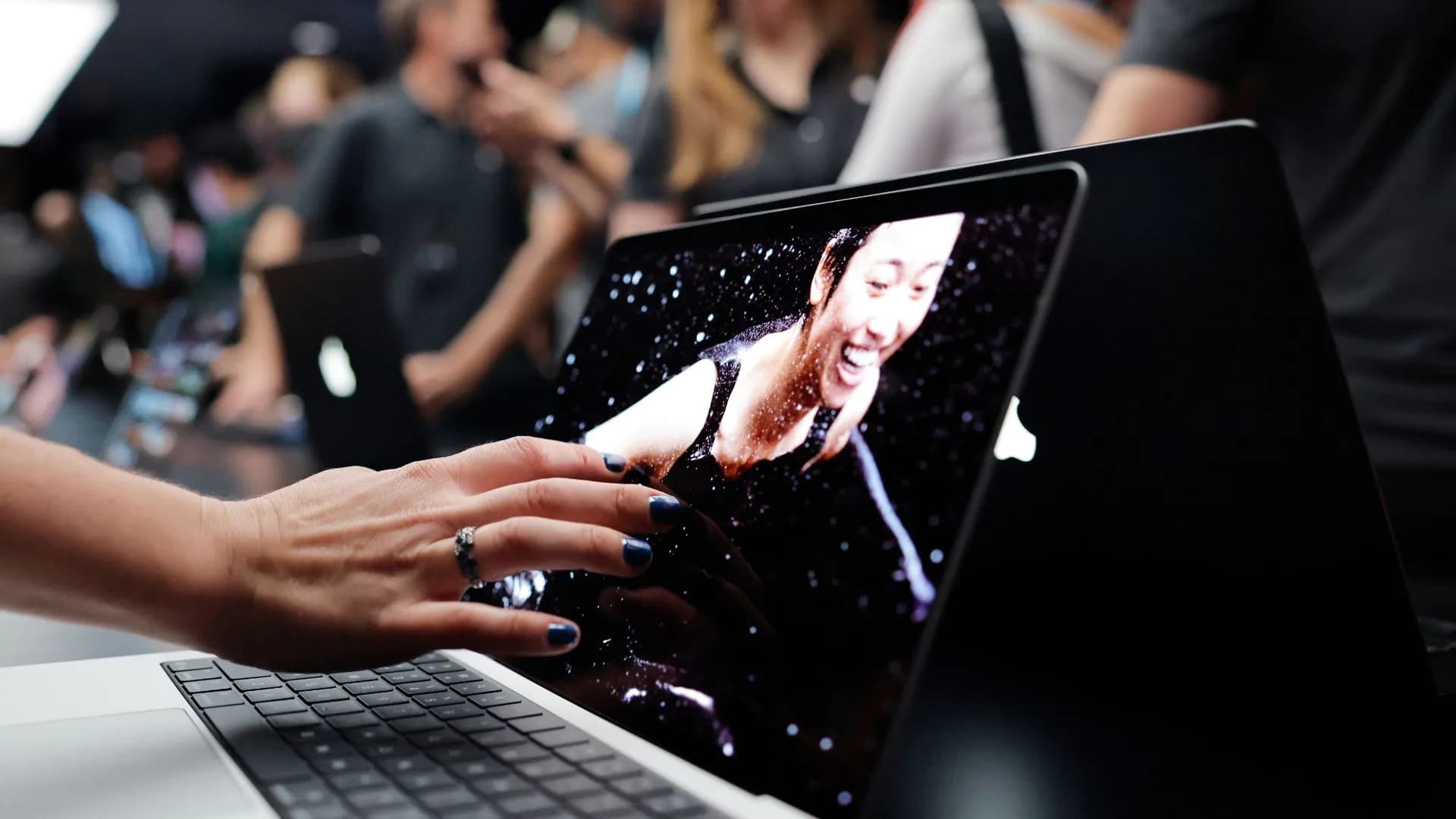
The touchscreen functionality is built into the display assembly and cannot be disabled via software toggle or firmware setting. Apple has not released a public spec sheet listing touch latency, palm rejection thresholds, or stylus compatibility. Those details remain unconfirmed. The PROLED XDR panel uses a tandem OLED stack, two layers of organic pixels, to boost brightness and longevity while eliminating the need for a backlight.
Under magnification, its blue subpixels are visibly larger than red or green ones, a design choice meant to counteract faster blue OLED material degradation. That’s not marketing fluff. It’s visible under microscope and cited by The Register’s source reporting. Replacing just the display panel?
Not feasible. IFixit’s attempt to delaminate the glass from the lid cracked both the OLED and underlying touch sensor. You must replace the entire lid assembly, glass, digitizer, hinges, and all, or risk destroying the screen. The logic board sits directly beneath the USB-C ports, HDMI port, SDXC card reader, and headphone jack.
None are socketed or modular. Repairing any of them requires full system board removal. Fans and MagSafe connectors are slightly more accessible, but still demand partial disassembly. The battery is removable, unlike on many ultraportables, but extracting it involves peeling adhesive and navigating tight clearances near the trackpad cable.
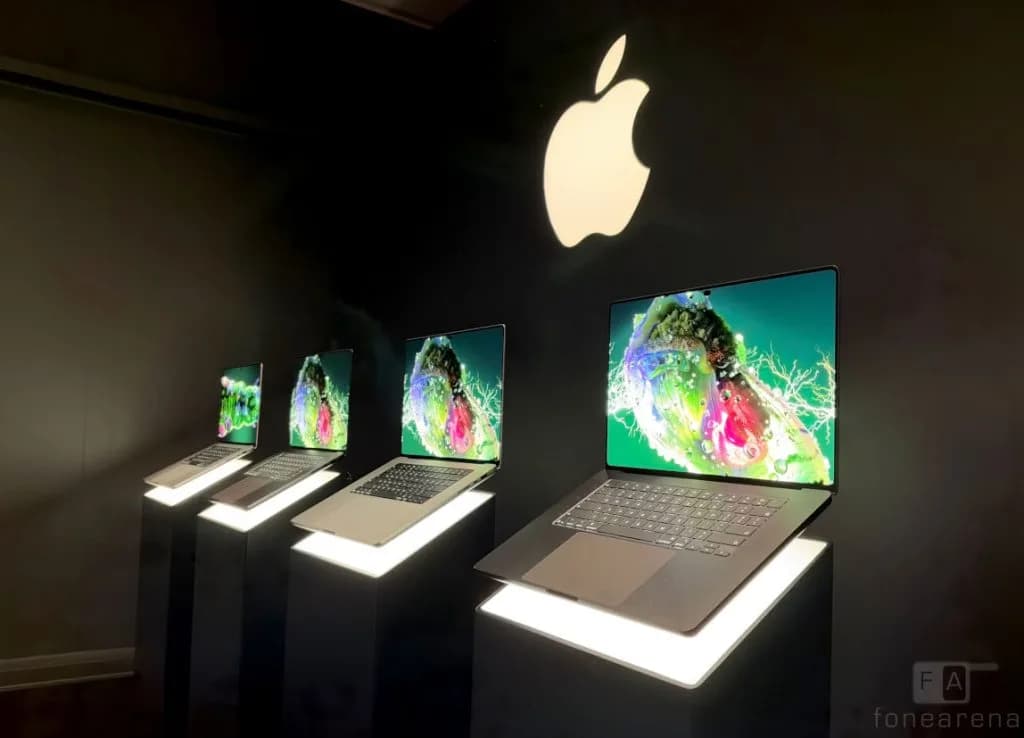
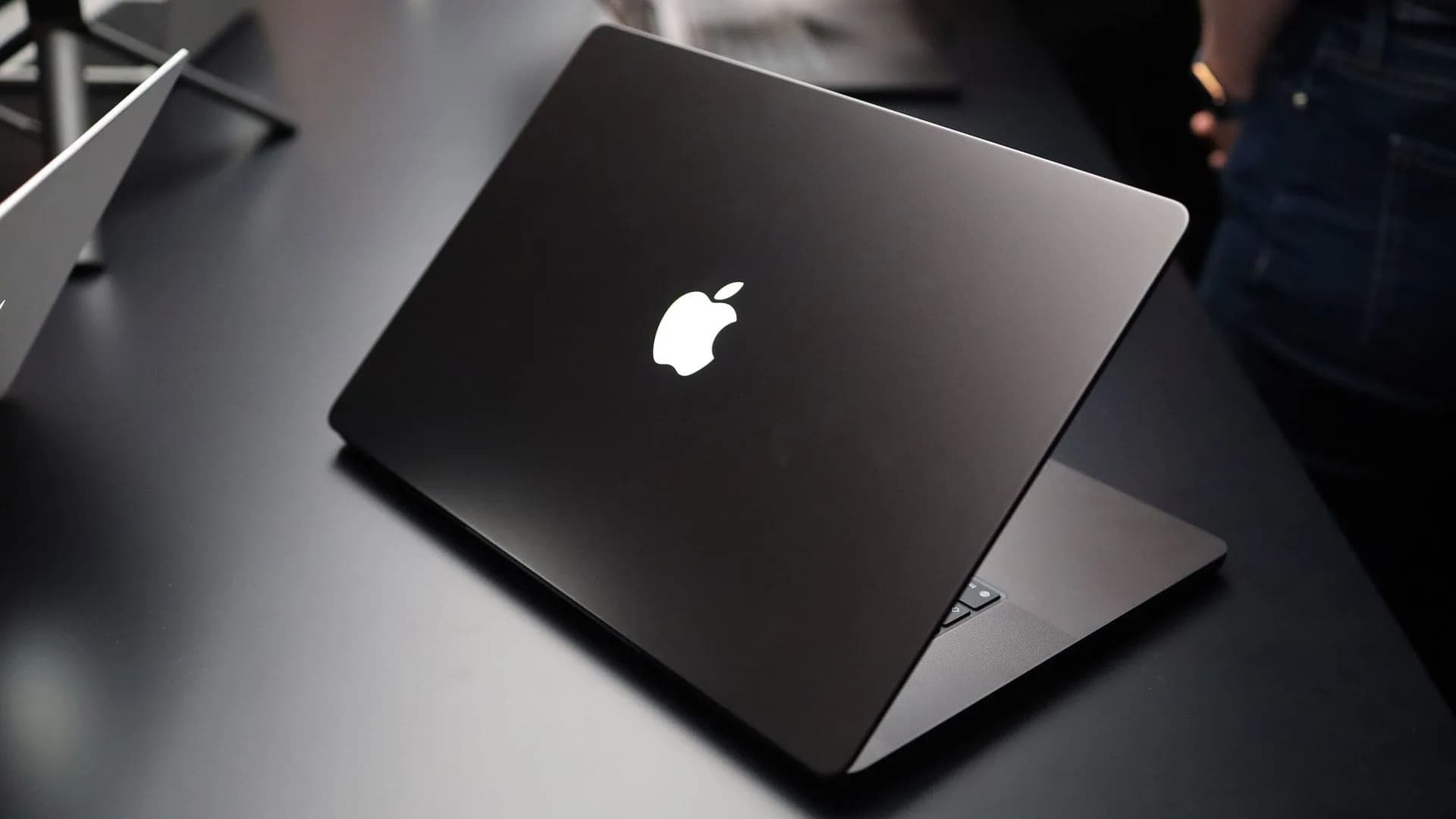
The illuminated Apple logo now uses edge-lit LEDs behind a diffuser, not backlight bleed, and sits physically behind the display panel. If the logo fails, replacing it means removing the display first. And if the display cracks during that process? You’ve just turned a $350 logo repair into a $2,000 lid replacement.
Apple’s Repair Assistant software handled cross-unit pairing smoothly, touch, Touch ID, and battery were recognized without calibration, but that doesn’t help users facing physical damage. This isn’t a laptop designed for third-party shops or DIY tinkerers. It’s a tightly integrated unit where convenience for Apple’s supply chain and thinness goals clearly outweigh serviceability.
The 14-inch MacBook Pro with PROLED XDR display is shipping now. Apple’s online store lists delivery windows of 3–5 business days in the US and India. No official timeline has been given for a potential 16-inch version, or for any future touchscreen MacBooks beyond this single model.
CDFiled by The Computing Desk
Laptops, desktops, processors, graphics cards and the operating systems that run on them.
More from this desk →
Be the first to comment
Join the argument. No password, just your email or a passkey.