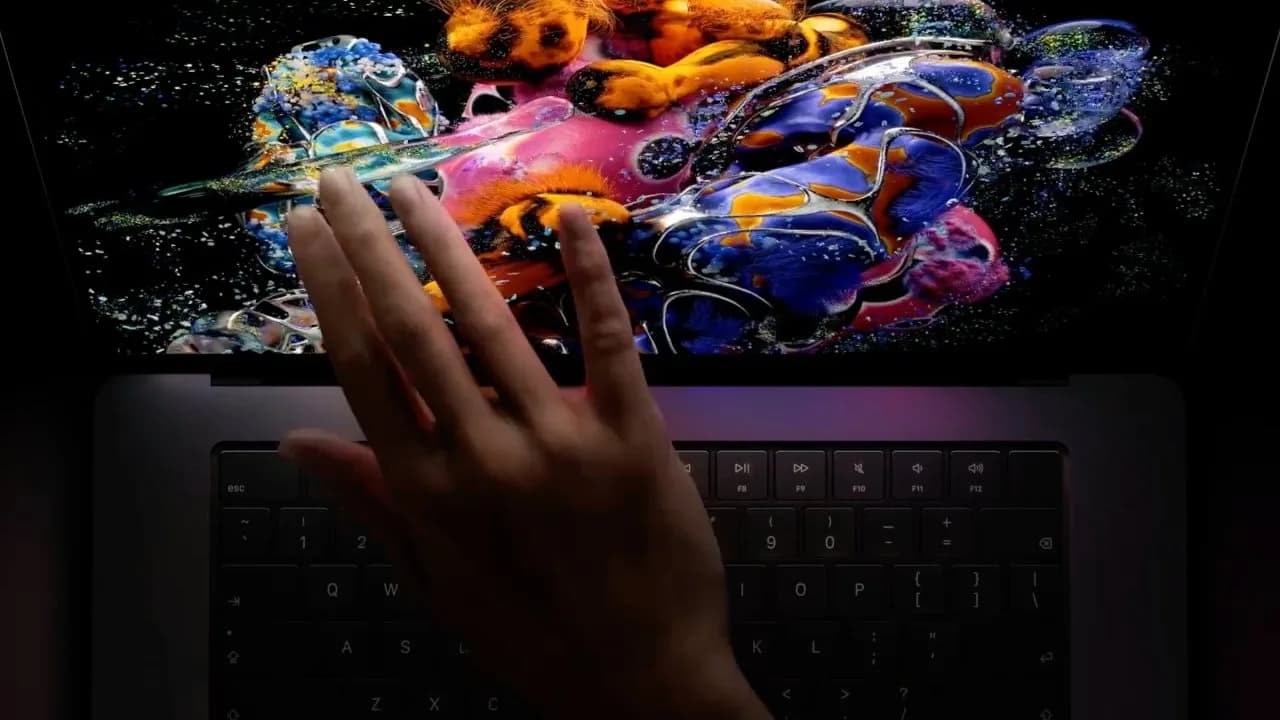
Apple has built its first touchscreen laptop, and it put the feature on the MacBook Pro rather than the MacBook Air or the newer MacBook Neo. The 14-inch touchscreen MacBook Pro starts at $2,899 in the US (£2,899, AU$4,599), and the 16-inch model starts at $3,399 (£3,399, AU$5,499).
That's a steep entry point for a feature Windows laptops have offered for over a decade. And the math gets stranger once you compare it against Apple's own lineup. A 16-inch MacBook Pro with the same M5 Pro chip but no touchscreen starts at $2,999 (£2,999, AU$4,799). Add the PROLED XDR touchscreen display with the same specs and the price jumps by $400 (£400, AU$700). Apple hasn't published Indian pricing for either the touch or non-touch models yet.
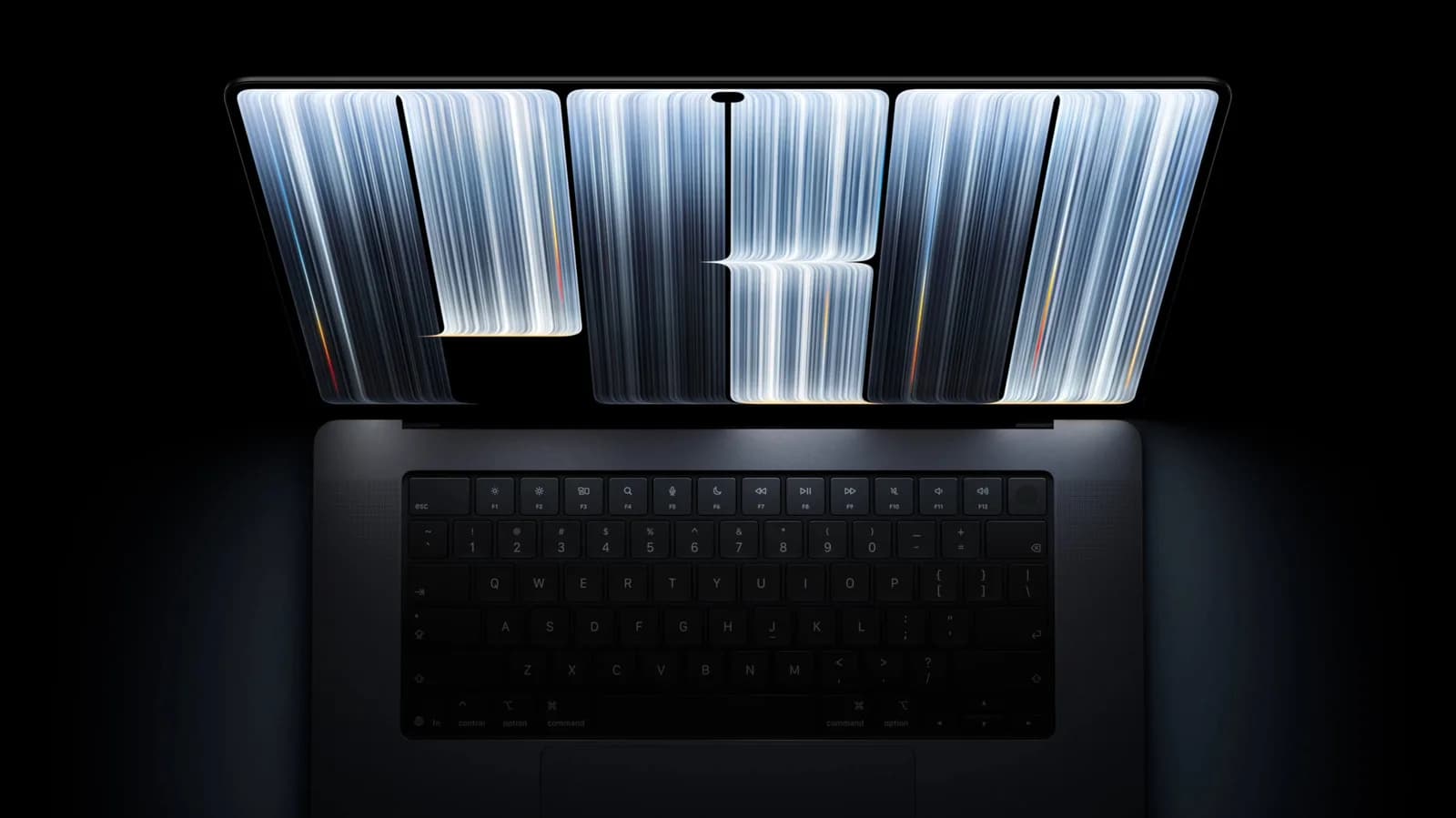
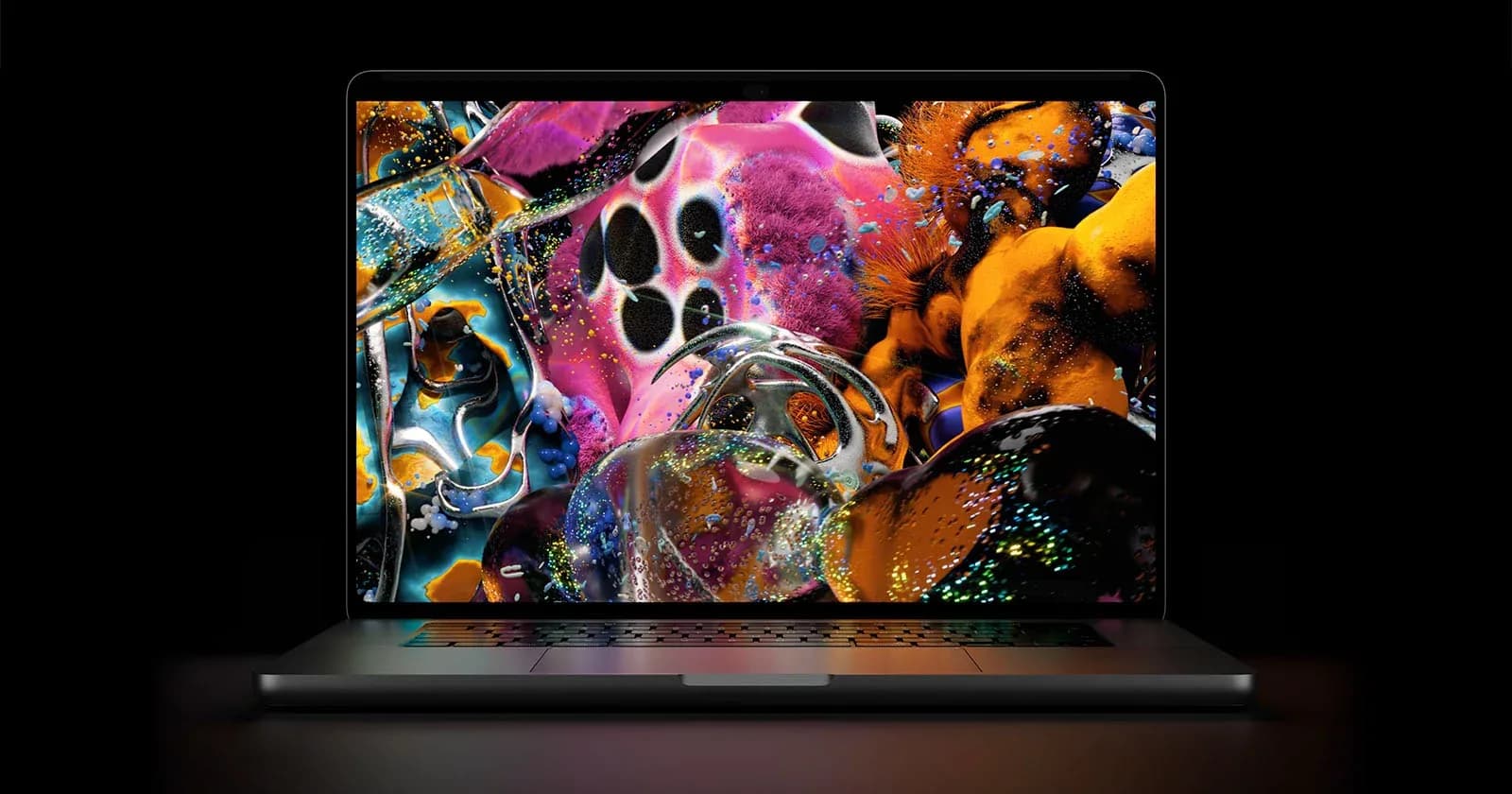
The screen itself is the real upgrade on paper. Apple's PROLED XDR panel uses tandem OLED technology, which stacks two OLED layers to boost brightness and contrast beyond what a single-layer panel can manage. It also supports the Adobe RGB color gamut, a spec that matters more to video editors and photographers than to anyone planning to tap their way through Safari.
There's a chip twist too. The touchscreen MacBook Pros run on Apple's M5 Pro and M5 Max chips. But a non-touch 14-inch MacBook Pro announced just days earlier carries the newer M6 chip, which is, confusingly, less powerful than the M5 Pro and M5 Max. Apple hasn't said anything about M6 Pro or M6 Max chips arriving to close that gap, so for now, buyers chasing the touchscreen have to settle for last generation's top-tier silicon.
Apple isn't alone in pairing touchscreens with high-end, high-price laptops aimed at creative professionals and local AI workloads. Laptops built around Nvidia's RTX Spark SoC, aimed at a similar audience, have shipped with touchscreens too, and none of them come in a cheaper, non-touch version either.
Whether Apple eventually brings a touchscreen to the MacBook Air or the MacBook Neo, both of which just got a price bump earlier this year, is an open question. Doing so wouldn't require the tandem OLED panel or the Adobe RGB support baked into the Pro's screen, which could keep the added cost well under the $400 premium attached to the Pro. For now, the only way to get Apple's touchscreen is to pay Pro prices and accept a chip that isn't Apple's newest.
CDFiled by The Computing Desk
Laptops, desktops, processors, graphics cards and the operating systems that run on them.
More from this desk →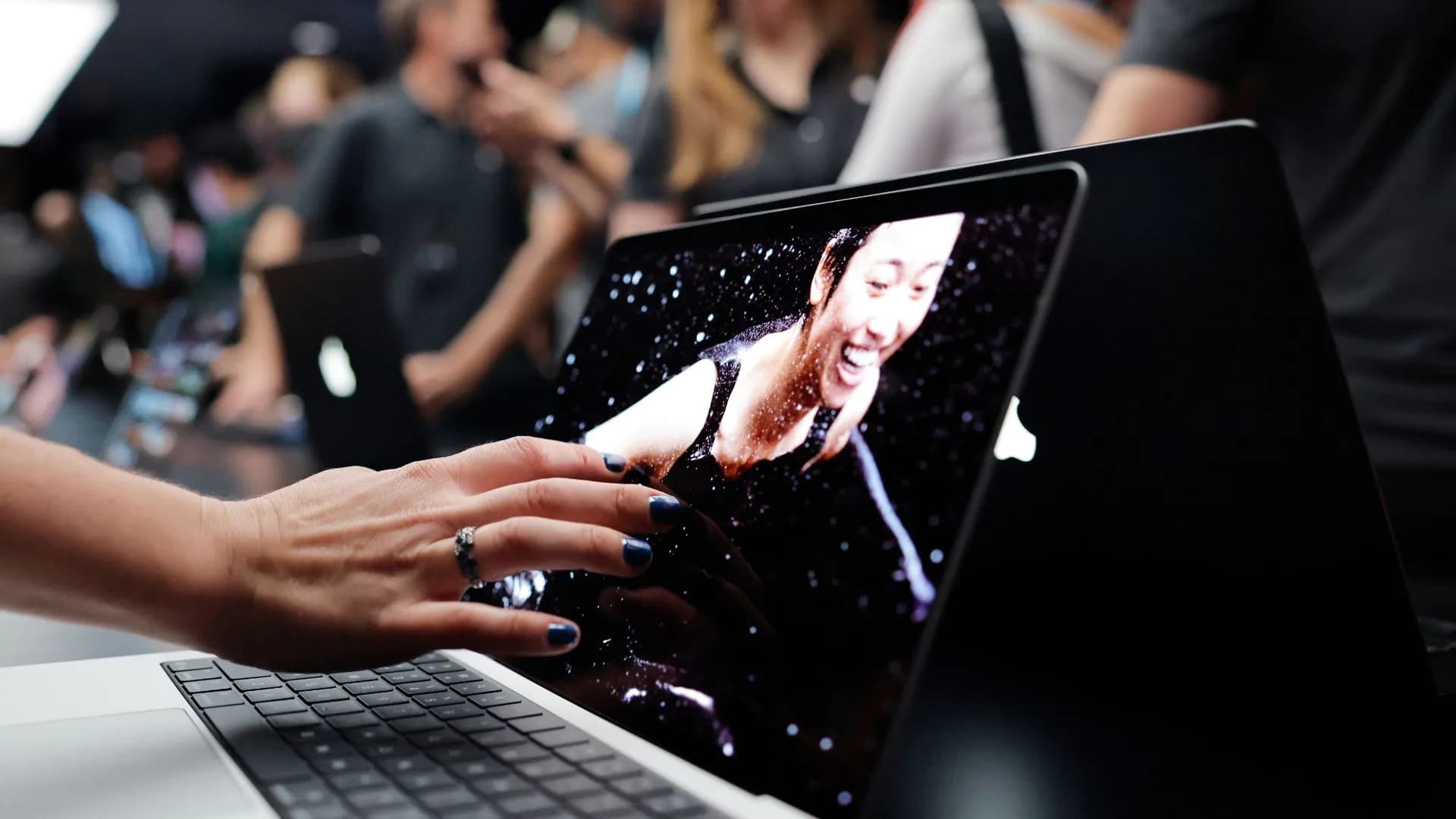
Be the first to comment
Join the argument. No password, just your email or a passkey.