MacOS 27 introduces remote AppleCare log collection — a quiet but consequential change for enterprise IT teams managing Apple devices globally. The feature, confirmed by 9to5Mac’s Apple @ Work column, lands in macOS 27 alongside matching updates in iOS 27, iPadOS 27, and tvOS 27. It does not appear in any consumer-facing marketing, no press release, no keynote slide. But it solves a long-standing friction point for support workflows across US and Indian enterprises alike. And it arrives just as hybrid work remains the norm, not the exception. So when an employee in Bengaluru reports intermittent app crashes on their MacBook Air M3, or a sales exec in Chicago hits a kernel panic mid-presentation, IT no longer needs to schedule screen shares, walk through sysdiagnose shortcuts, or wait for a physical handoff. They trigger a command. Apple gets logs. The case moves forward. That’s the shift. It’s not flashy. It’s functional. And it’s live now. The feature is built into Apple’s declarative device management framework. Two new commands are available: TriggerEnhancedLogCollection and its cancel counterpart. Once IT opens an AppleCare case, Apple provides a token. That token is passed via MDM, Mosyle, Jamf, Kandji, or any compliant platform. To the affected device. The device then collects diagnostics and uploads them directly to Apple’s support infrastructure, auto-attached to the ticket. Status reporting is baked in: admins see in real time whether collection has started, is waiting for user consent, or has completed upload. On macOS, consent is mandatory. A system notification appears, asking the user to approve both log collection and upload. They can decline, this isn’t forced telemetry. But it’s one click, not 12 steps. On iOS, non-interactive mode exists. But only on devices without passcodes or accounts, like kiosks or retail POS units. Shared iPads and tvOS devices get non-interactive mode by default. For macOS, though, the user stays in the loop. That’s intentional. Apple hasn’t changed its privacy model. It’s streamlined the support path within it. No new hardware. No subscription. No third-party tool required. Just updated OS-level APIs and MDM integration. The timing matters. With Apple’s enterprise install base growing in India, especially in banking, IT services, and education sectors. And with remote troubleshooting still a daily reality for US-based IT desks supporting distributed teams, this isn’t a niche tweak. It’s infrastructure. MacOS 27 is rolling out now as a free update to compatible Macs. No price, no regional variants, no staggered launch, just the standard Apple OS cadence. And while consumers won’t notice it, the people who manage fleets of MacBooks for 500-person startups in Hyderabad or 10,000-employee banks in New York just got a quieter, faster way to close tickets.
macOS 27 adds remote AppleCare log collection for IT teams
No fanfare. No keynote slide. But macOS 27 just made remote Mac troubleshooting dramatically less painful for IT teams in the US and India.
By Clock Speed
The Computing Desk · (3 hours ago)
Reported from
How this story was made
Written by the Hitechreports desk from the reporting credited above, with facts attributed to their original publishers. We do not test devices ourselves; anything about performance, battery life or cameras comes from the outlets that did. Prices are as reported at the time of writing. Editorial policy · Report an error
Filed by The Computing Desk
Laptops, desktops, processors, graphics cards and the operating systems that run on them.
More from this desk →Read next
More Laptops & PCs →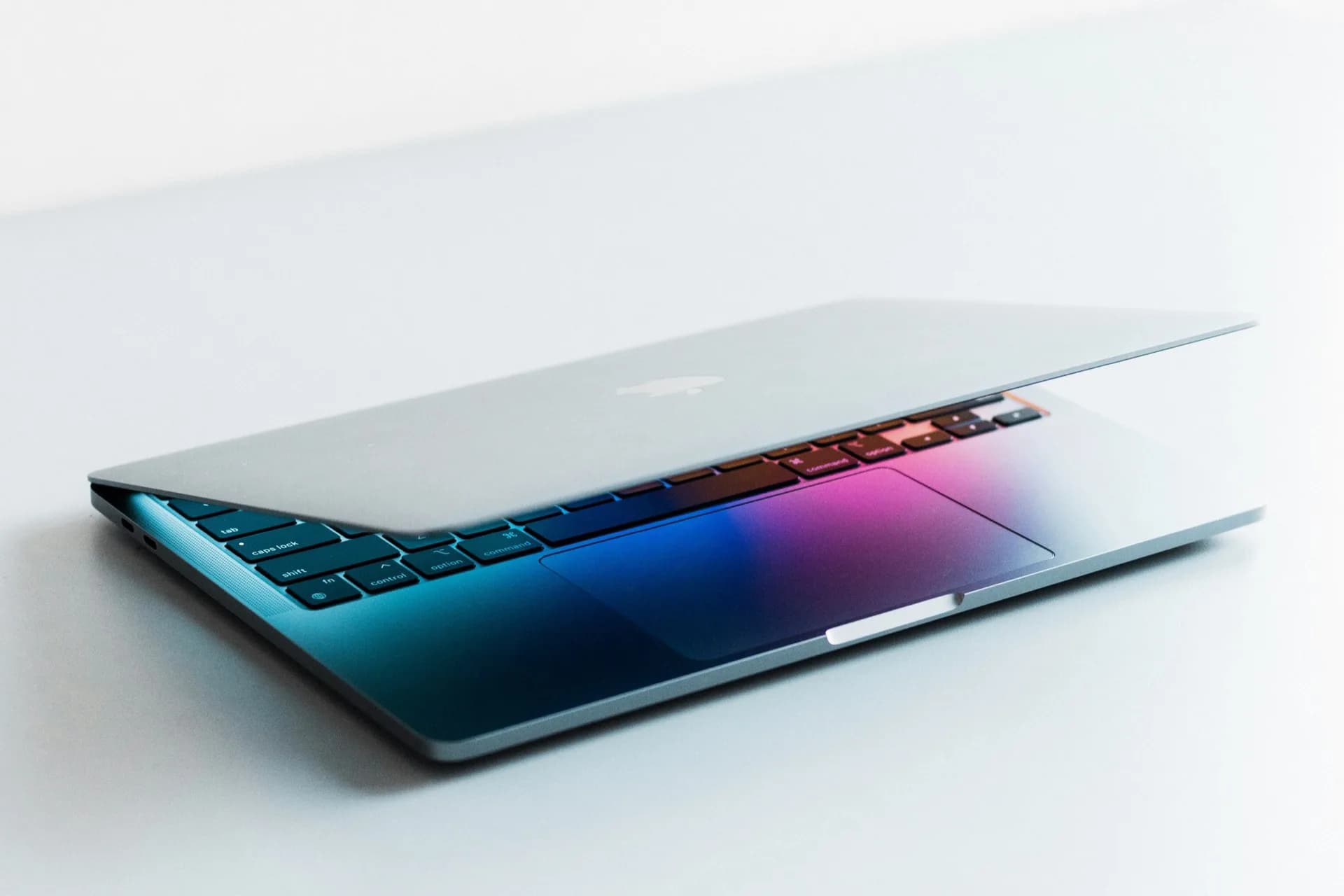
macOS 27.2 adds touchscreen support as MacBook Ultra looms for November launch
Apple has not announced a MacBook Ultra. But macOS 27.2 — now in its third beta — contains touchscreen code that points to one coming soon.
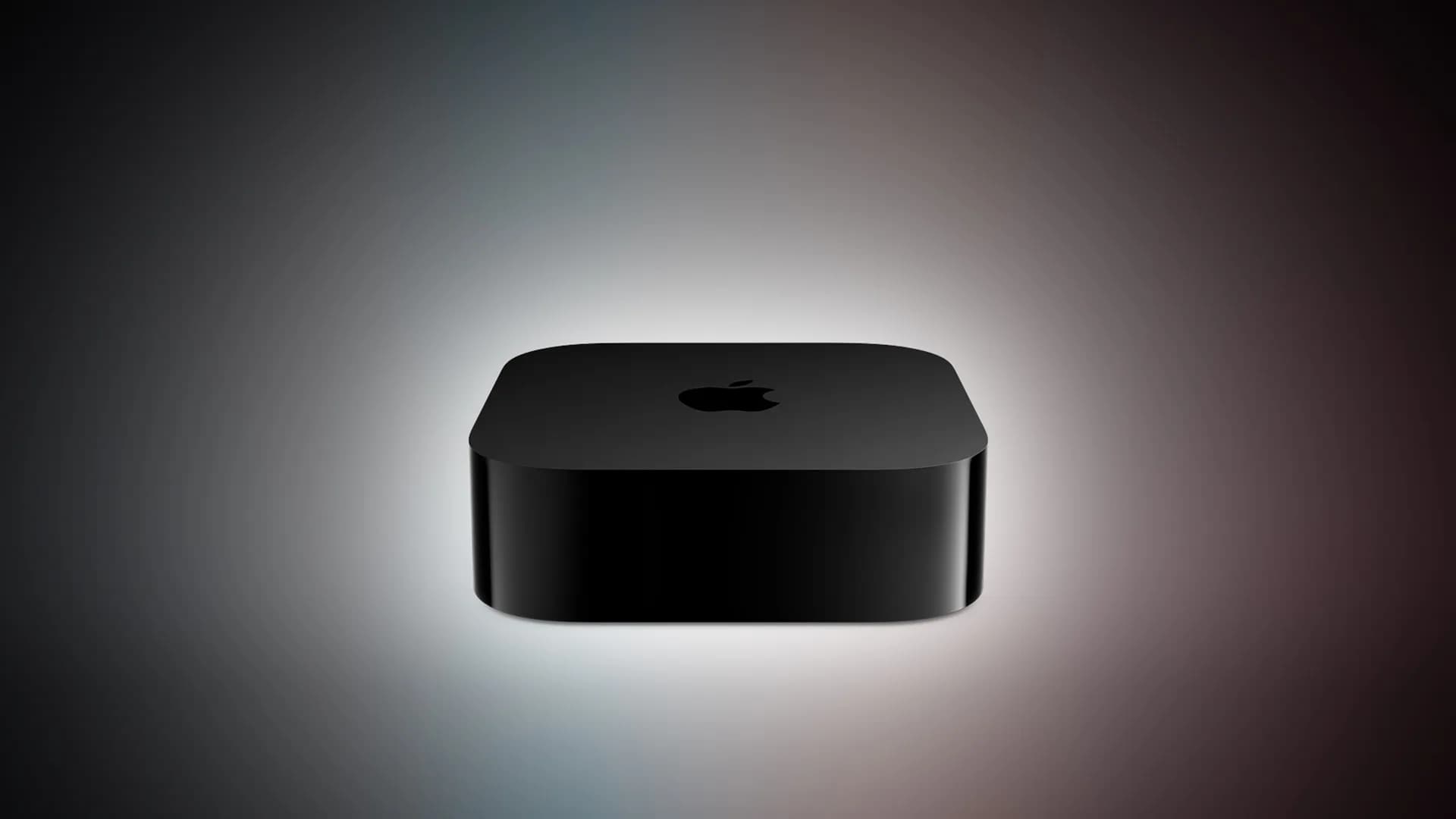
Apple TV 4K with A19 Chip Arrives Tuesday at Welcome Home Event
Apple is set to announce a revamped Apple TV 4K on Tuesday, October 13, packing an A19 chip, expanded memory for Siri AI features, and faster wireless connectivity.
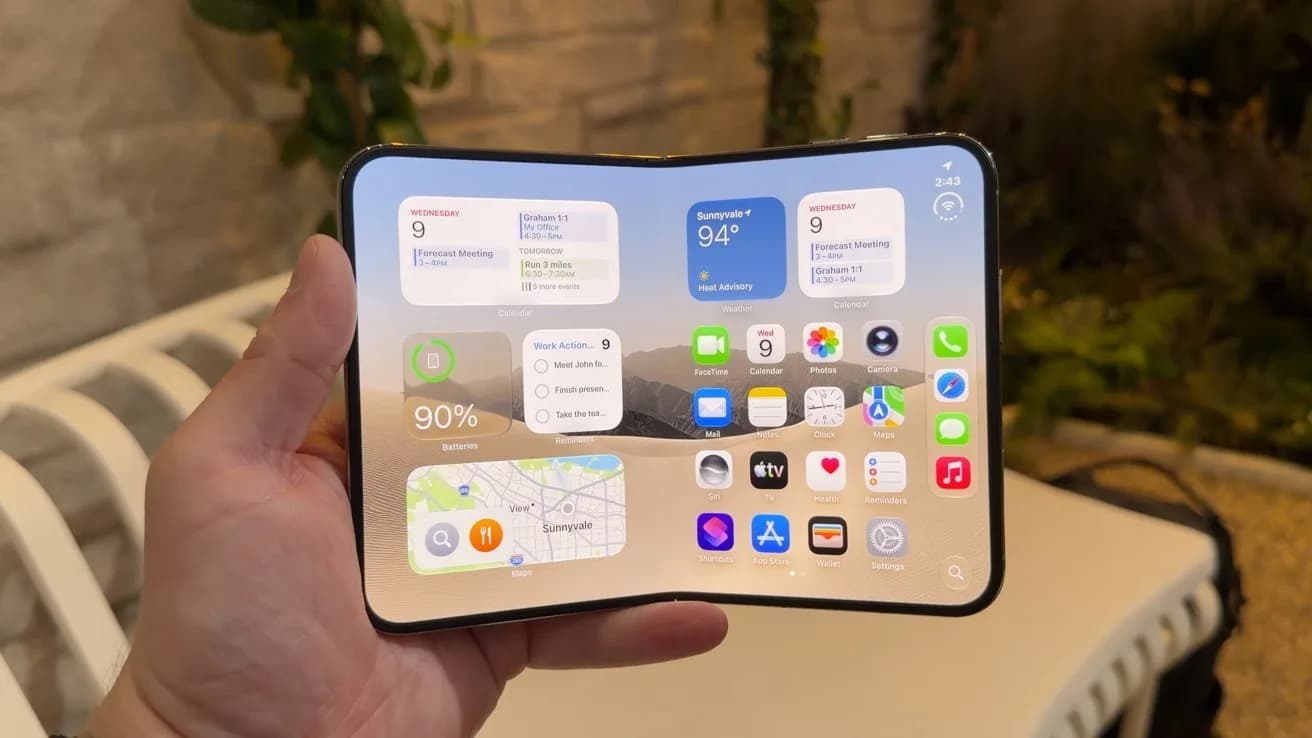
iPhone Duo says hello by name
The iPhone Duo will greet some buyers by name on first boot — but only if they buy it in person at a U.S. Apple Store, and only in English or Spanish.
Be the first to comment
Join the argument. No password, just your email or a passkey.