MacOS 27 Golden Gate removes Rosetta 2 by default — and Apple IT admins are already scrambling. The change isn’t buried in release notes. It’s active on day one: install macOS 27, and Rosetta vanishes unless manually reinstalled. No warning. No grace period. Just silence where Intel apps used to run. That’s the real problem, not the removal itself. It’s the invisibility of the breakage. Users won’t know why a tool stopped working. IT won’t see alerts. They’ll get tickets instead. And those tickets will land after rollout, not before. Bradley Chambers, an Apple IT admin since 2009 who writes the Apple @ Work column for 9to5Mac, confirmed the behavior in testing this summer. And it’s not theoretical. Menu bar utilities from vendors still shipping Intel-only builds fail silently. No error. No prompt. Just dead functionality. Traditional apps trigger a GUI prompt asking users to reinstall Rosetta, that’s manageable. But background tools? They vanish without trace. Chambers calls this ‘more important than it might seem at first glance’. His short-term fix is automated: he pushes a Rosetta reinstall script via Mosyle to every Mac entering his macOS 27 Dynamic Device Group. Under Execution Settings, he picks a trigger, assigns the profile, and saves. When a device appears in that group, Mosyle automatically pushes the script. And Rosetta (hopefully) reinstalls before users notice anything missing. It’s not permanent. It’s time-buying. The real solution is vendor action, and that’s where the pressure mounts. Chambers is blunt: ‘Apple Silicon shipped in late 2020. We are now in late 2026. Any vendor still telling customers that a native Apple Silicon build is “on the roadmap” before Rosetta stops working in macOS 28 has had five-plus years to solve this problem and has chosen not to.’ That, he says, ‘is not a resource issue or a technical challenge at this point. It is a prioritization choice.’ Most enterprises are blocking Golden Gate for 90 days of final QA and testing. That window is now. Audit your fleet. Identify every Rosetta-dependent app. Decide which ones get scripted back in. And which ones get replaced. Because come macOS 28, there won’t be a workaround. Only native code will run.
macOS 27 Golden Gate removes Rosetta 2
Rosetta 2 is gone on first boot of macOS 27 Golden Gate — and silent app failures are already happening in enterprise testing.
By Clock Speed
The Computing Desk · (2 hours ago)
Reported from
How this story was made
Written by the Hitechreports desk from the reporting credited above, with facts attributed to their original publishers. We do not test devices ourselves; anything about performance, battery life or cameras comes from the outlets that did. Prices are as reported at the time of writing. Editorial policy · Report an error
Filed by The Computing Desk
Laptops, desktops, processors, graphics cards and the operating systems that run on them.
More from this desk →Read next
More Laptops & PCs →
Apple Links Idle Mac GPUs to Run Internal AI Workloads
Apple researchers revealed Minions, a distributed platform that taps idle Apple Silicon GPUs on internal macOS machines to execute machine learning inference workloads, cutting job queue delays from hours to minutes.
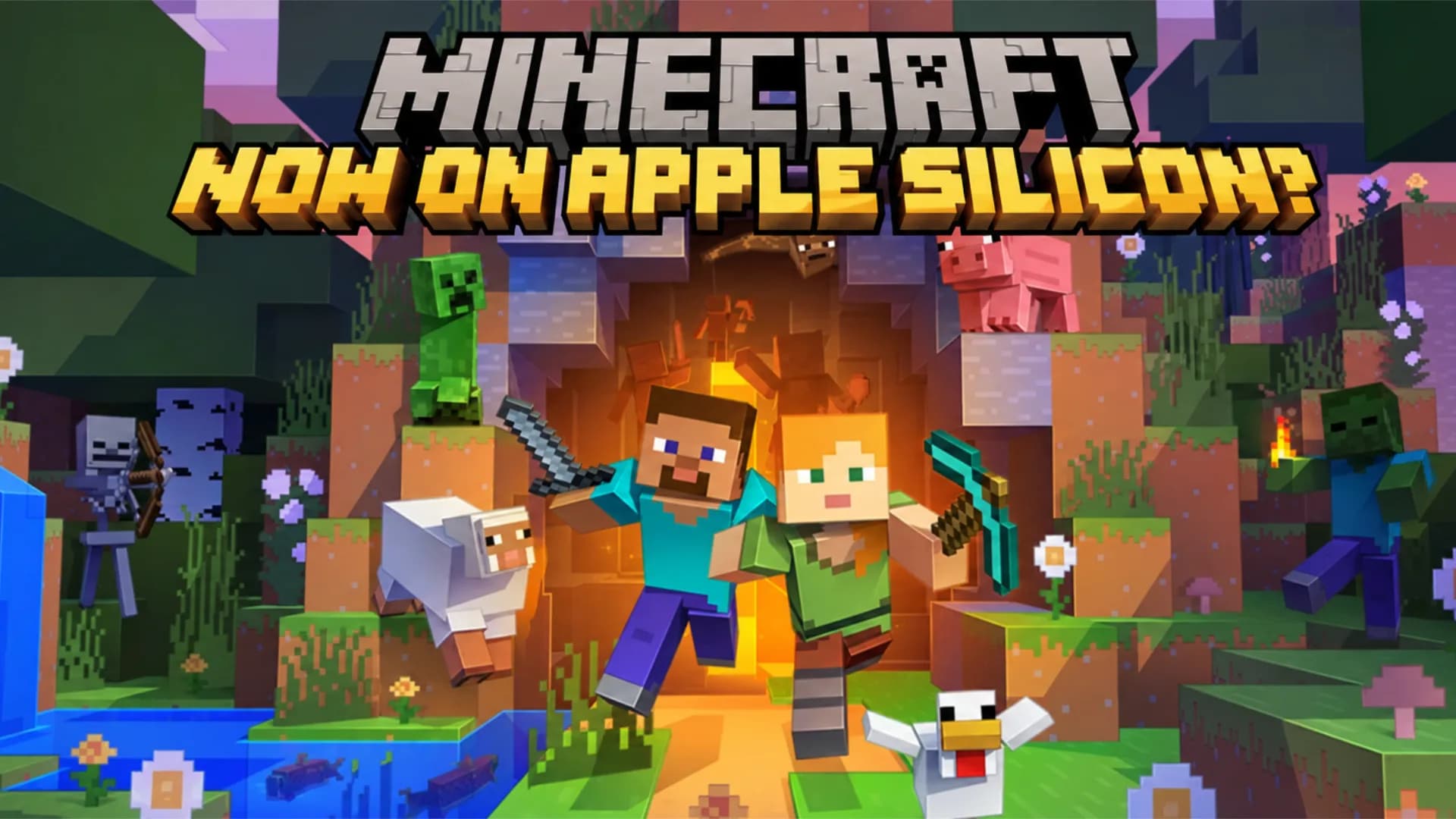
Minecraft Bedrock on Mac: Blockintosh Unofficial Port Launches with Crossplay
Blockintosh runs Minecraft Bedrock Edition on Apple Silicon Macs and enables full crossplay with all other Bedrock platforms — but it’s unofficial, unannounced by Mojang, and currently limited to Discord-based previews.
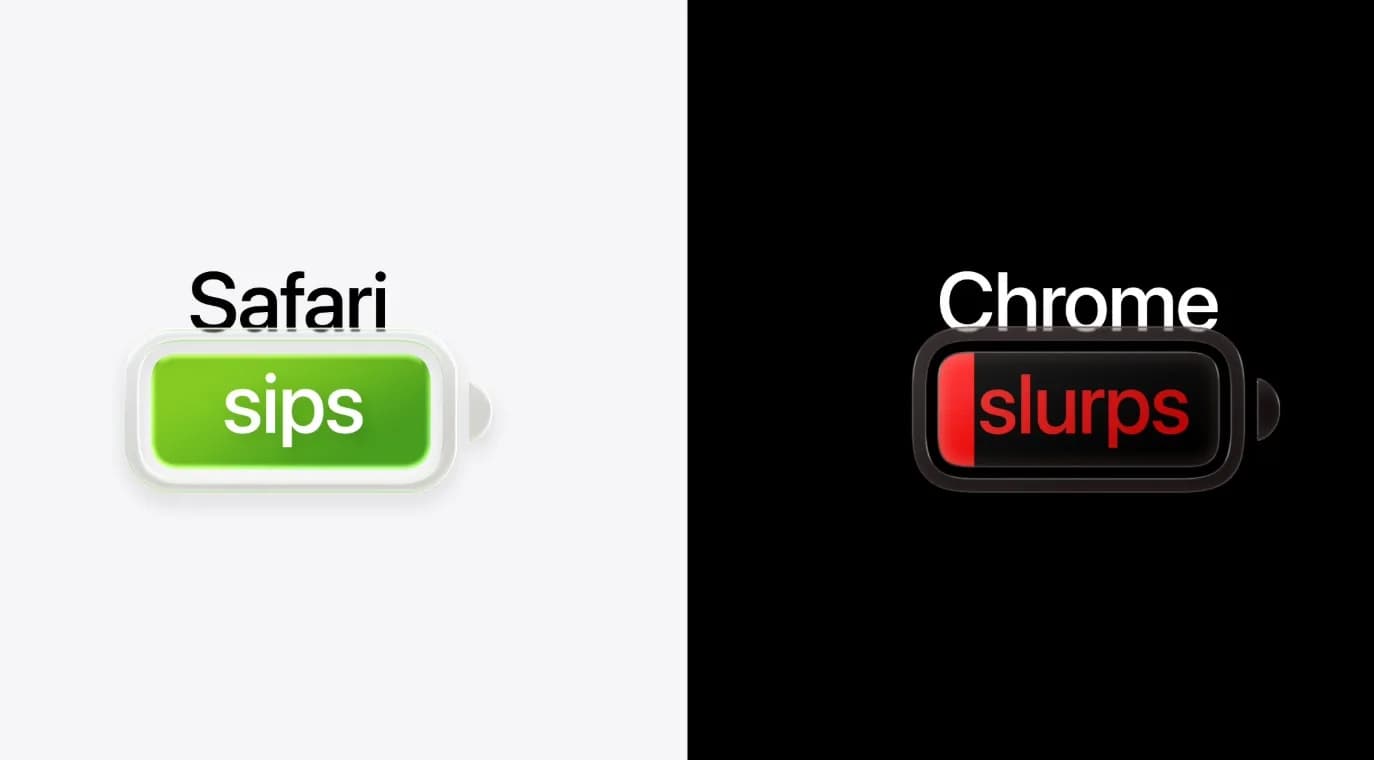
Chrome extensions vs Safari: Apple promises 5 extra hours battery life
Apple is urging Mac users to switch from Chrome to Safari, citing up to five extra hours of video streaming battery life, faster page loads on select sites, and stronger default privacy protections—all measured on M5 MacBook Airs.
Be the first to comment
Join the argument. No password, just your email or a passkey.