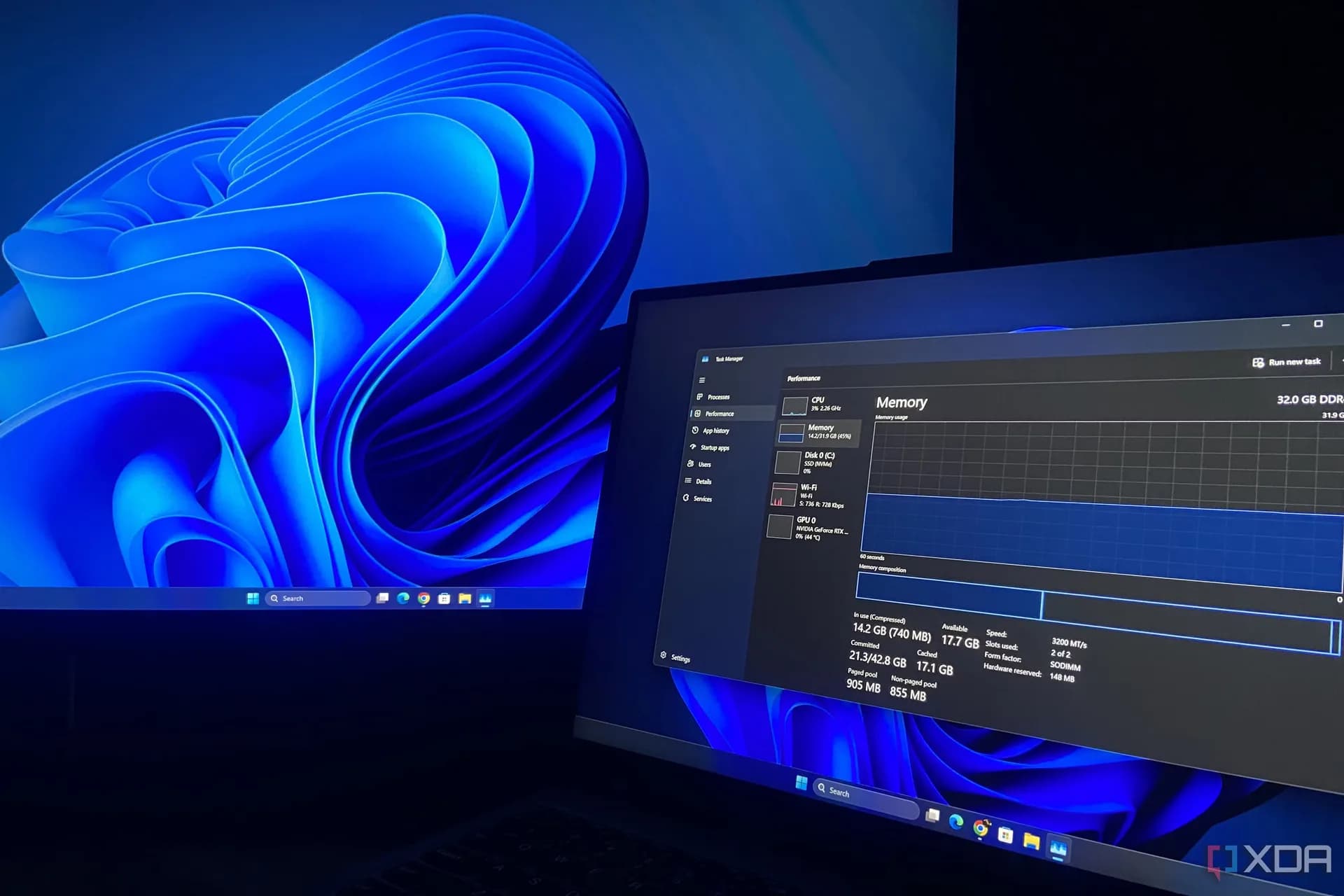
Windows 11 now holds onto 860MB less RAM in the background — and the change is live for all users who installed the October 2026 update. Microsoft confirmed the figure at Ignite 2026, attributing the push not to user complaints, but to sharply rising DRAM prices driven by AI data center demand.
That pressure made optimizing memory use urgent for PC makers, and for anyone still running Windows 11 on an 8GB or 16GB laptop. Which is still most people. Especially in India and the US, where budget and mid-range devices dominate the education, SMB, and entry-level remote-work markets. The savings come from two places: over 500MB trimmed from core Windows services like Defender, OneDrive, and Purview.
And another 360MB shaved from Microsoft 365 apps, including Outlook and Teams. The engineering approach wasn’t about removing features. It was about loading only what’s needed, when it’s needed, and sharing memory between components built on the same framework. So Outlook doesn’t hold a full copy of the UI engine while Teams loads its own.
They share. That’s how you get 21% faster workload completion on an 8GB system juggling a Teams call, 4K background video, 20 Edge tabs, Outlook, and large Office files, per Microsoft’s internal benchmarks. Office app performance improved 10%. System responsiveness jumped 20%.
Multitasking speed rose up to 40% on 8GB machines. And yes, the gains apply to high-end systems too. Robin Seiler, Microsoft’s commercial engagement lead, confirmed that every optimization built for 8GB carries forward to 32GB and 64GB workstations and gaming rigs. Those users don’t need the headroom, but they get it anyway.
No reboot required. No license upgrade. Just the October 2026 update, which rolled out broadly in late October. You can check your build number: this applies to Windows 11 version 24H2, build 26100 or later.
Why does this matter now? Because memory prices are up, and staying up. Ian LeGrow, Windows Core OS engineering lead, said the team has been focused since January on making Windows 11 lighter without cutting functionality. That’s rare discipline for an OS that’s spent years adding layers.
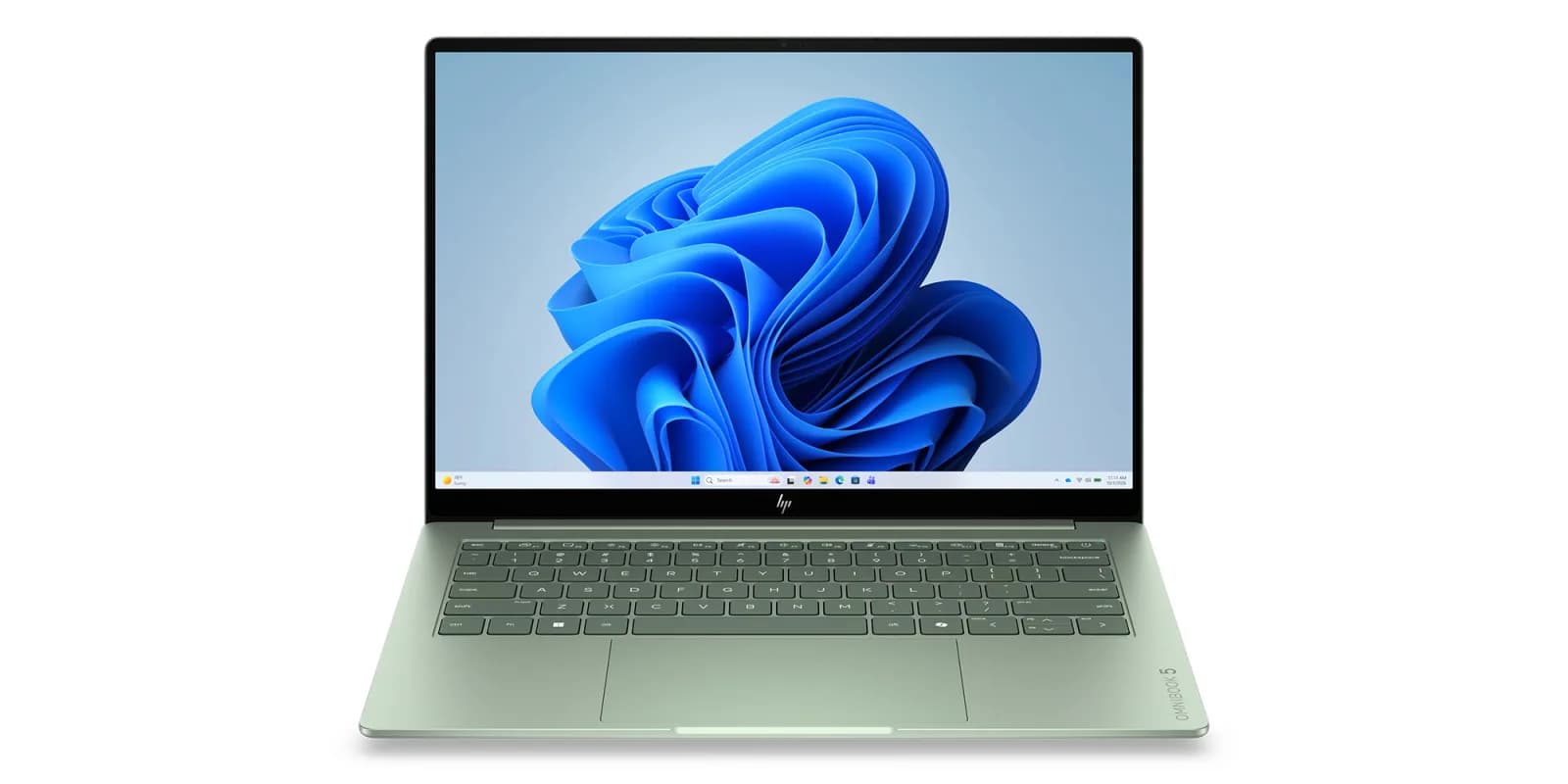
And it’s tangible. An 8GB Dell Inspiron or HP Pavilion running the October build isn’t just “less bad.” It’s measurably faster in real-world office multitasking, the exact scenario Microsoft 365 and Teams users face daily. In India, where 8GB laptops start at ₹39,990, and in the US, where they begin at $449, that difference isn’t theoretical.
It’s the gap between “I need a new laptop” and “this one still works.” Microsoft hasn’t announced further memory optimizations, but it has signaled this is now a sustained engineering priority, not a one-off patch. Next step: rolling the same shared-module architecture deeper into third-party app integrations. That won’t land before 2027.
CDFiled by The Computing Desk
Laptops, desktops, processors, graphics cards and the operating systems that run on them.
More from this desk →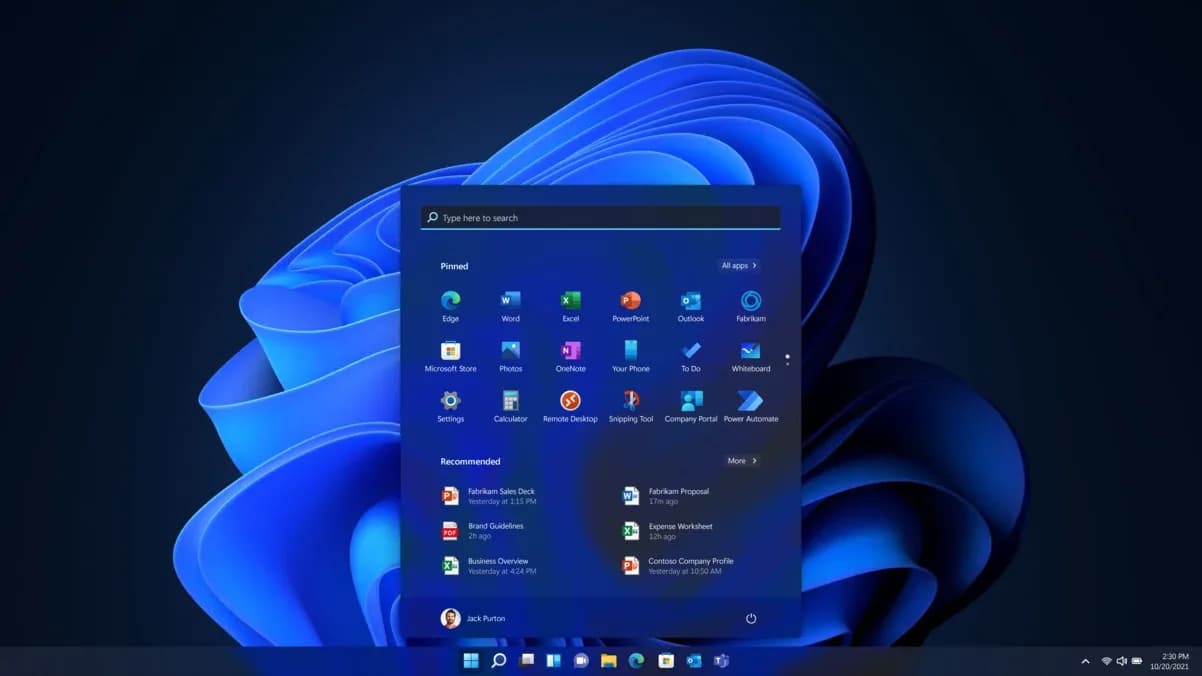
Be the first to comment
Join the argument. No password, just your email or a passkey.