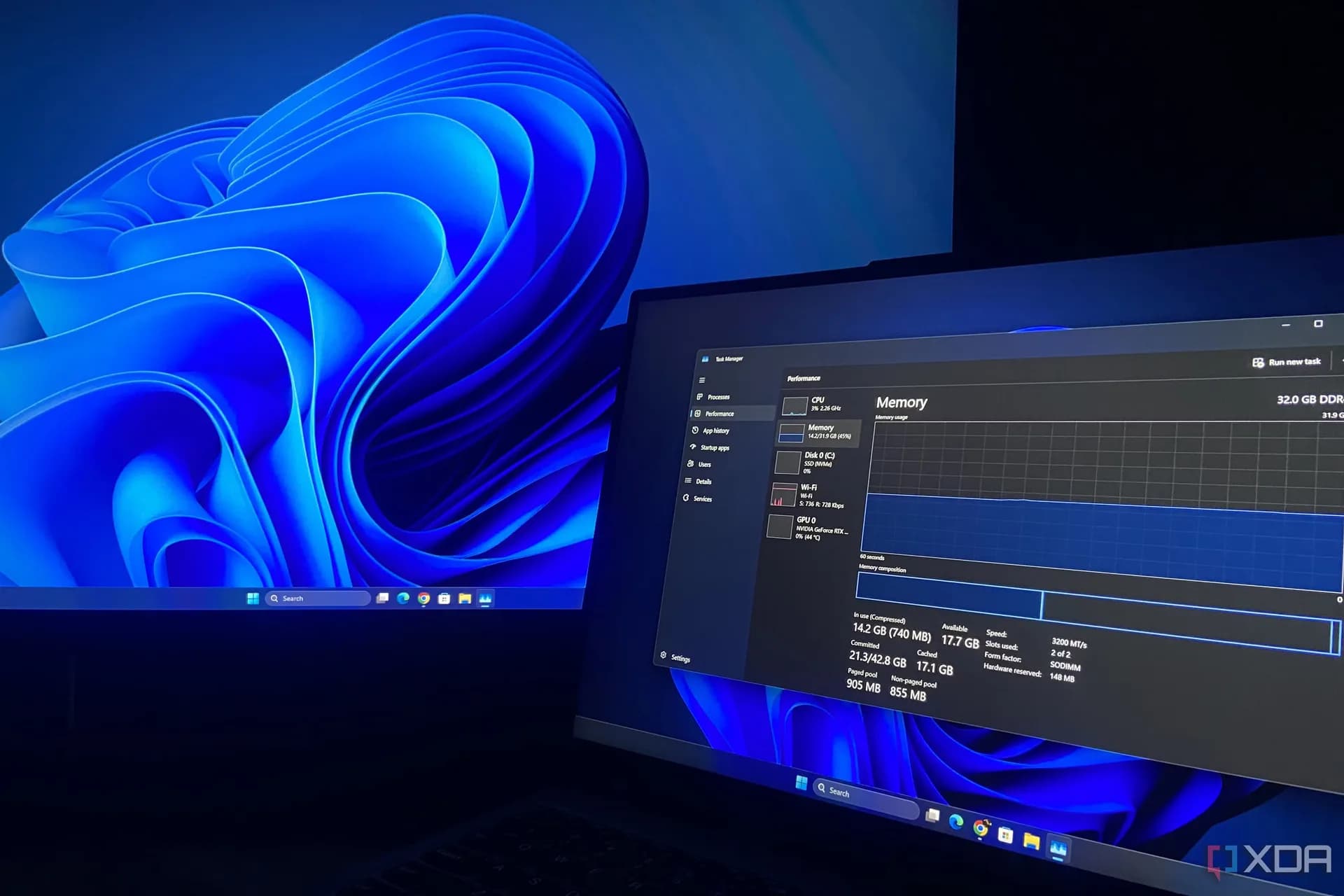
Windows 11 26H2 is now rolling out globally — and it’s quietly cutting idle RAM usage by up to 3GB on systems with 16GB or more. But users with 8GB of memory, the official minimum for Windows 11, are seeing no improvement at all. Not a dip. Not a tweak. Just the same baseline memory pressure as before. That’s the catch Microsoft hasn’t mentioned in its release notes, and one that hits the most constrained machines hardest. 26H2 doesn’t lower the floor. It just makes the ceiling roomier for those already above it. A Lenovo Legion 5 Pro with 32GB RAM dropped from 8.5GB to 6.7GB idle use after updating. A clean 1.8GB gain. Another user with 48GB saw idle memory fall from 6.9GB to 4.8GB. Windows Latest measured a 3GB drop on a 16GB laptop. All consistent. All real. All unannounced. Microsoft has confirmed, however, that memory optimization is a stated 2026 priority, Pavan Davuluri named ‘driving better utilization of memory’ and memory compression as active workstreams on the Inside Windows podcast in May. He also listed ‘8GB and above’ as a target tier in a July post. Yet the data shows the gains start above 8GB. Not at it. No major outlet has found a single verified case where an 8GB system reported lower idle RAM after installing 26H2. Reddit threads, XDA forums, and user reports all converge on the same pattern: silence from the low end. That’s not a bug. It’s a boundary. The update appears tuned for headroom, not relief. And while Microsoft’s Surface laptops with 8GB RAM shipped this year, a tacit acknowledgment of how many people rely on that threshold. 26H2 offers them nothing new under the hood. The rollout is global and ongoing. No forced install date. No regional delay. Users on Windows Update will see it appear gradually over the coming weeks, first for Insiders, then broadly. If you’re on 16GB or more, check Task Manager after reboot. You’ll likely see the difference immediately. If you’re on 8GB? Your memory graph won’t budge. Not yet.
Windows 11 26H2: What the RAM savings really mean for 8GB vs 16GB+ PCs
The update cuts idle RAM use by up to 3GB — but only if you’ve got 16GB or more. Those running 8GB get zero benefit.
The Computing Desk · (3 hours ago)
Reported from
How this story was made
Written by the Hitechreports desk from the reporting credited above, with facts attributed to their original publishers. We do not test devices ourselves; anything about performance, battery life or cameras comes from the outlets that did. Prices are as reported at the time of writing. Editorial policy · Report an error
Filed by The Computing Desk
Laptops, desktops, processors, graphics cards and the operating systems that run on them.
More from this desk →Read next
More Laptops & PCs →
Windows 11 23H2 ends support November 10: Enterprise, Education, and IoT editions cut off from security updates
Windows 11 23H2 Enterprise, Education, and IoT Enterprise editions lose security updates on November 10, 2026 — the final patch day for that version across all remaining supported SKUs.
Windows 11 26H2 KB5127648 fixes mouse stutter in games
KB5127648 is the final update for Windows 11 24H2 Home and Pro editions. It fixes mouse stutter in games, adds Copilot key remapping, restores File Explorer previews, and patches two zero-days — including one actively exploited in the wild. Support for 24H2 Home and Pro ends October 13, 2026.
Windows 11 26H2 download forces Microsoft account
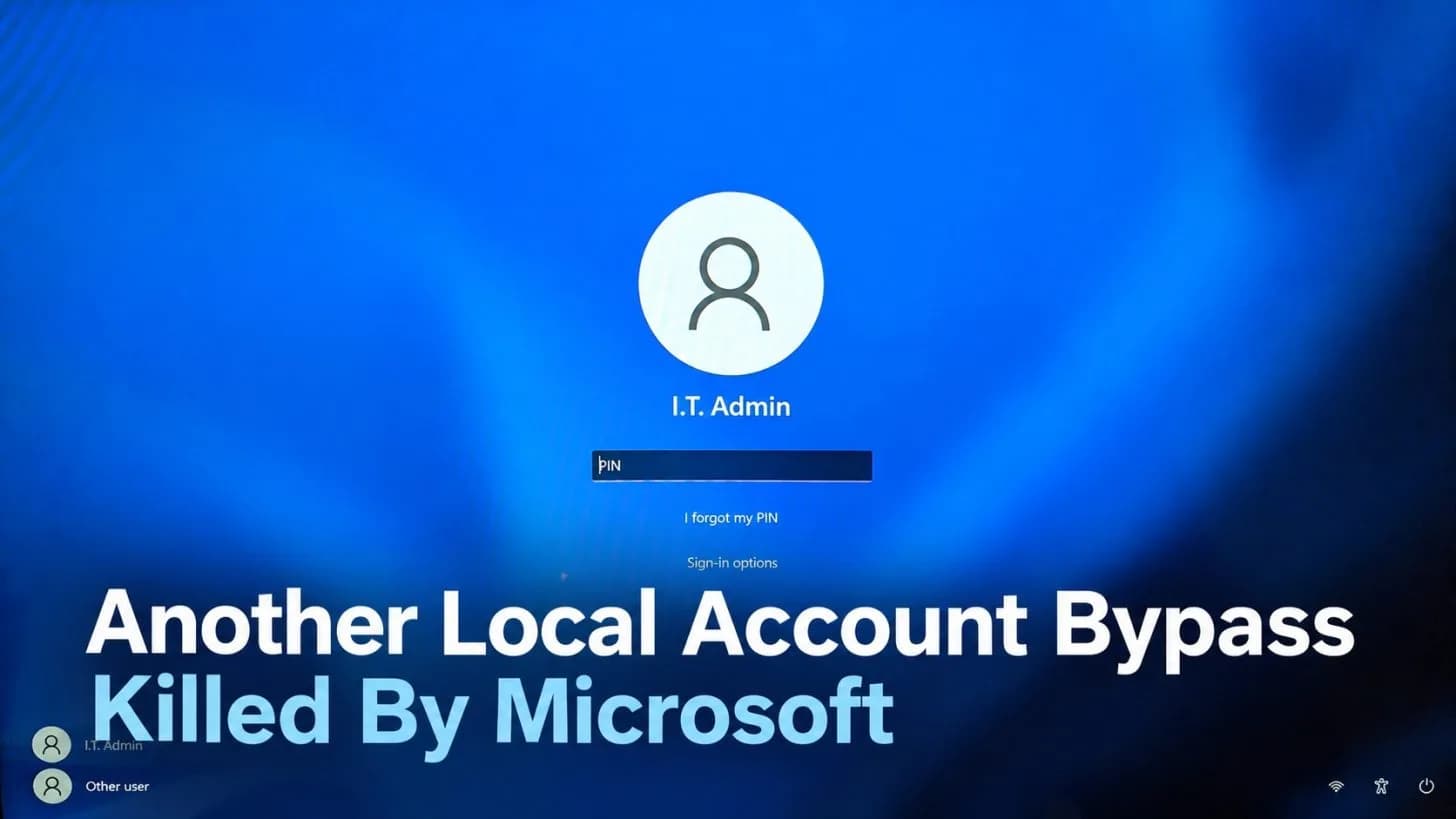
Microsoft has silently removed the 'Learn more' link workaround in Windows 11’s setup, making forced Microsoft account sign-in harder to avoid — even for users with no technical expertise.
Be the first to comment
Join the argument. No password, just your email or a passkey.