Microsoft's next home console, codenamed Helix, is now being planned for a 2028 holiday launch rather than 2027, and it could cost between $1,200 and $1,800 unless Microsoft eats some of the cost itself, according to a Fortune profile of Xbox CEO Asha Sharma.
That would put Helix at more than double, and possibly close to triple, the $500 the Xbox Series X launched at back in 2020. The reason, per Fortune's sourcing, is the same one squeezing laptop and phone makers right now: AI data centers have soaked up so much memory and storage manufacturing capacity that DRAM and NAND prices have roughly quintupled. Microsoft, which runs some of the largest AI data centers on the planet, is caught on both sides of that shortage, as a buyer of memory for its cloud business and as a console maker that needs the same chips.
Sony is dealing with the identical problem. The PlayStation 5 Pro already sells for $900, and leakers cited in the report put the PlayStation 6's bill of materials at close to $1,000 before markup. Sony CEO Hiroki Totoki has said the PS6's launch window is still undecided, though the company's plan to stop manufacturing physical discs for new games in January 2028 points toward that year as the likely transition point.
A handheld before the console
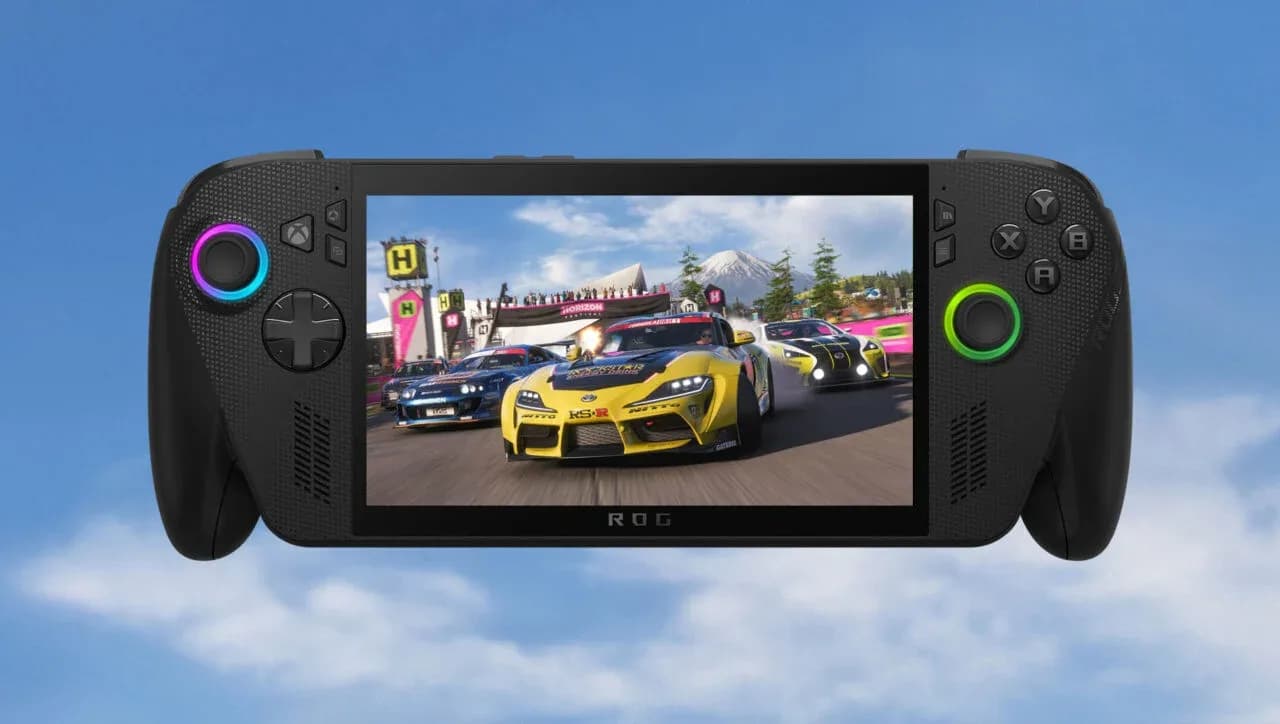
Separately, Microsoft is said to be targeting the 2027 holiday season for an Xbox-branded handheld, arriving a year ahead of Helix itself. Unlike Asus' ROG Xbox Ally, which runs Windows with Xbox branding layered on top, this device would reportedly support digital Xbox console games directly, making it closer to a true Xbox you can hold.
On the chip side, both next-gen consoles are expected to use AMD's Zen 6 CPU cores and RDNA 5 graphics architecture. Leaks cited by Fortune suggest Sony's PS6 chip will pack eight CPU cores and 40 to 48 GPU compute units, while Microsoft's Helix chip moves to 10 CPU cores with 20 threads, though its compute unit count hasn't leaked yet. Helix is also said to carry a rendering advantage of up to 40% over the PS6 in some workloads, and will lean on ray tracing, path tracing, neural rendering, upscaling, denoising and multi-frame generation as core features. Developer kits for Helix are due to ship next year, and the console is expected to run PC games as well as Xbox titles.
Game Pass gets rebuilt
Sharma, who took over as Xbox CEO from Phil Spencer earlier this year, is reportedly planning to break Xbox Game Pass away from its current all-you-can-play tiers and into an à la carte model, where subscribers pick individual add-ons and online features instead of paying for a bundle. She's previously said publicly she wants the service to feel more affordable, and Microsoft has already walked back part of an earlier, unpopular round of Game Pass price increases.
None of this comes free of cost to Xbox's workforce. Sharma has cut close to 1,900 jobs so far, part of a plan to shrink headcount by 3,200 over the next year, with more layoffs reportedly planned for October, November and January. Microsoft has cut roughly 35,000 jobs companywide since 2020.
Nothing here is official. Fortune's figures are sourced to people familiar with internal planning, not a Microsoft announcement, and both the price and the 2028 date could still shift depending on how memory costs move between now and launch.
GDFiled by The Games Desk
Consoles, handhelds, PC gaming and the platforms and hardware behind them.
More from this desk →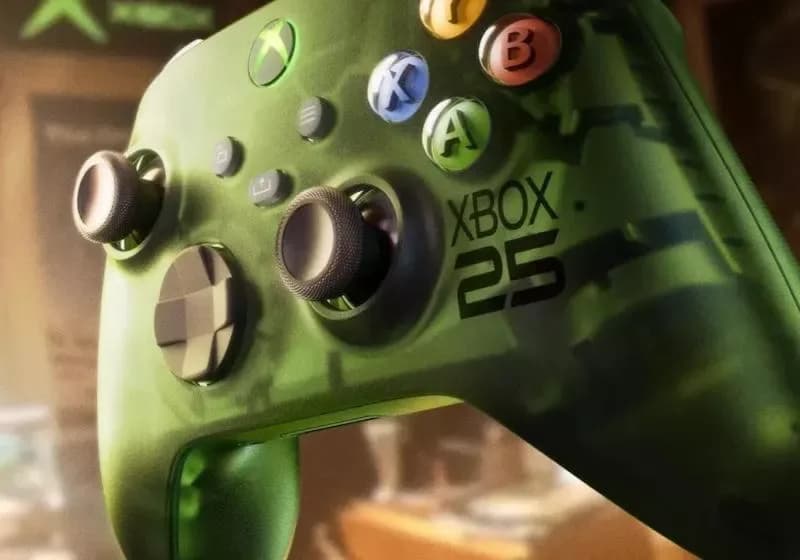

Be the first to comment
Join the argument. No password, just your email or a passkey.