The debut of Nikon's Z5IIC has revived an argument as old as digital photography: whether anyone who takes the craft seriously should ever frame a picture using the back screen.
Traditionalists still turn up their noses at the idea. For decades, serious camera operation meant jamming a rubber eyecup against your face. Staring at an exterior display was something reserved for smartphones and pocket point-and-shoots. Mirrorless camera hardware changed the mechanics, but it did not kill the dogma.
There are undeniable mechanical reasons to keep an eye glued to a finder. Bracing a camera body against your brow creates an immediate three-point stabilizer with your two hands, tamping down accidental shake when your shutter speeds drop below safe handheld limits. An electronic viewfinder also shuts out the outside world completely. Harsh midday sun cannot wash out the feed, and stray movement in your peripheral vision cannot distract you while you arrange framing lines. Anyone hauling heavy glass for sports or wildlife photography knows the physical reality: balancing a massive telephoto zoom away from your chest is a fast ticket to shaky frames and exhausted arms.
Where the display takes over
None of that means the back monitor is a lazy compromise. Take landscape photography, where cameras live mounted to tripods. Crouching down into mud or wet gravel to peer through an eyepiece locked inches off the ground is an easy way to ruin your back. A tilting back panel lets you inspect level horizons and scan corner-to-corner balance without awkward contortions.
Portraits reveal an even bigger practical split. An eye pressed into an eyecup puts an intimidating mechanical barrier between the photographer and the person in front of the lens. Dropping the rig down to waist level and checking the LCD keeps your face visible. For nervous families or corporate clients unaccustomed to studio lights, making direct eye contact and smiling between frames keeps the mood loose and expressions genuine.
Then there is basic eye fatigue. Not every photographer enjoys squinting into high-magnification EVF optics for six hours on an assignment. Stepping back to look at a flat panel often makes compositional flaws jump out faster, letting you take in the whole scene rather than searching edge to edge inside a dark tube.
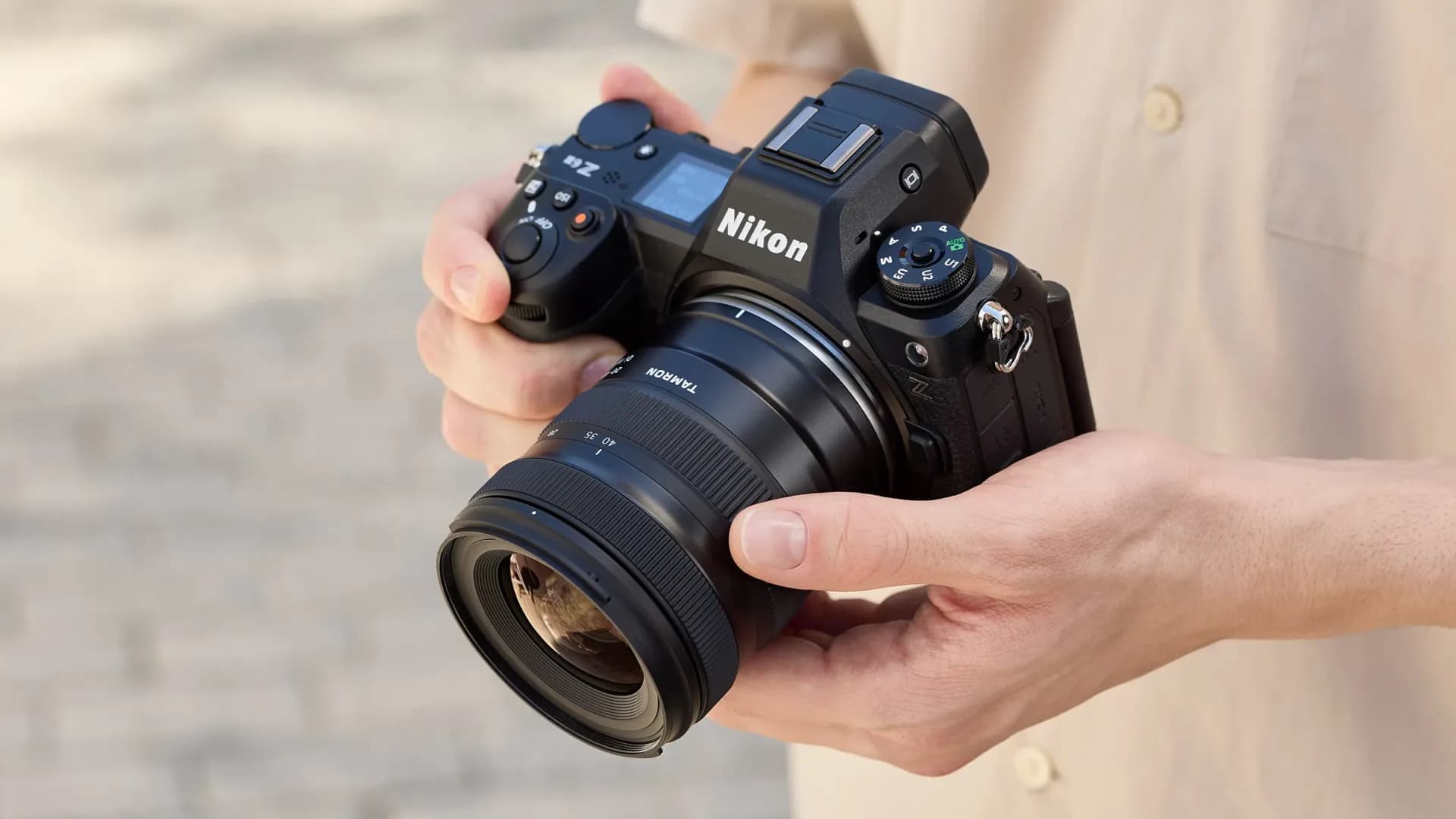
Camera makers have spent years improving both tools, packing higher resolution into viewfinders while making rear screens brighter and more articulate. But the audience on the other side of your photo will never inspect EXIF data to check which window was against your face. If an image is sharp and properly composed, the physical posture behind the shutter button matters to no one. As bodies like the Nikon Z5IIC reach owners, the choice between looking inside or tapping the panel comes down to ergonomics and shooting conditions, not professional credentials.
GDFiled by The Gadgets Desk
Audio, wearables, cameras, tablets, chargers and every other device worth carrying or plugging in.
More from this desk →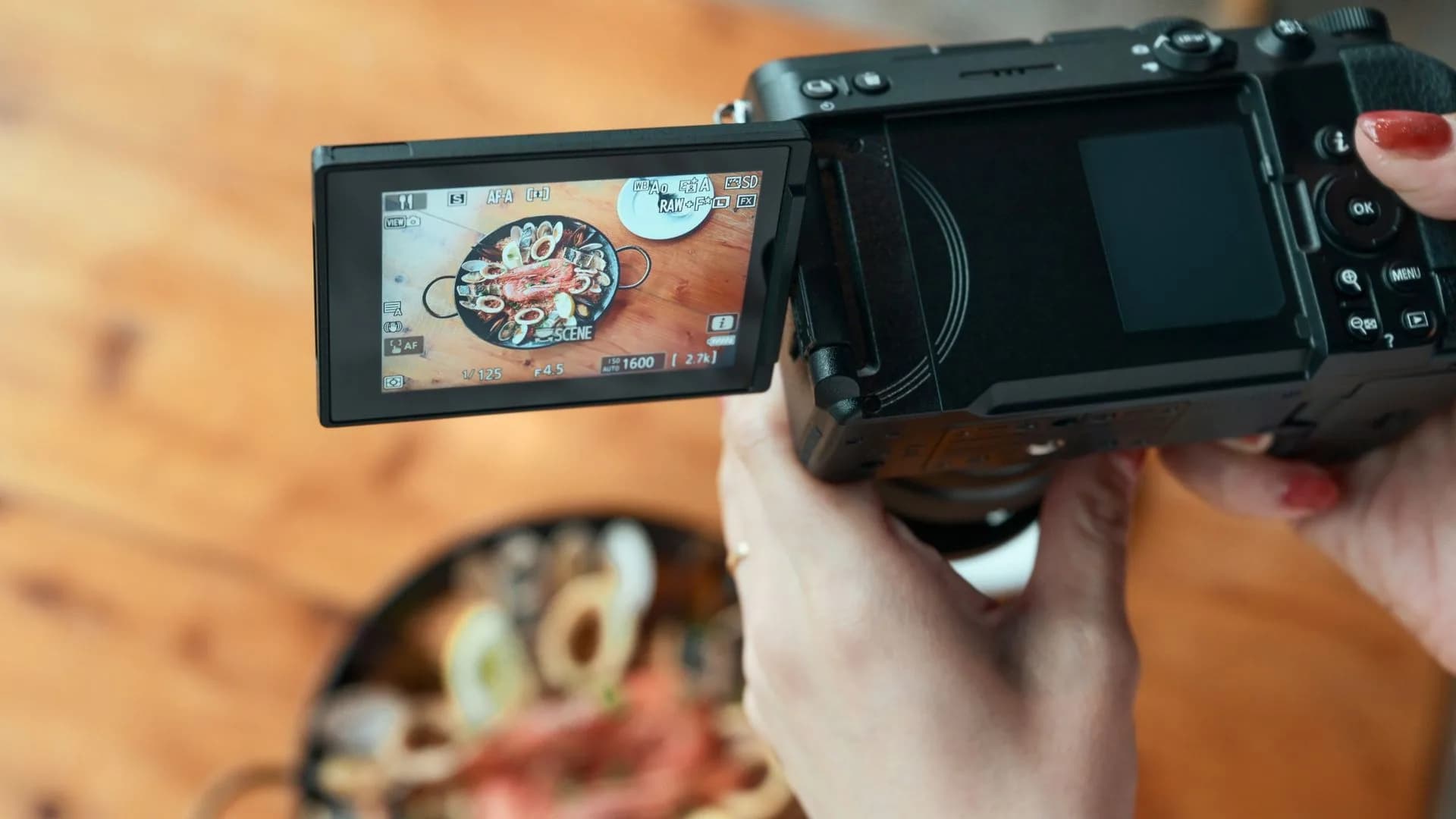

Be the first to comment
Join the argument. No password, just your email or a passkey.