Nikon is building its future camera hardware around modular processor architecture, tethering the rest of its mirrorless catalogue to whatever flagship brain leads the pack.
The direction surfaced in recent executive remarks given to Japanese financial outlet Nikkei Shimbun and summarized by Nikon Rumors. While the broader interview series questioned leadership across Canon, Sony, Fujifilm, and Nikon about how camera makers handle automation and AI, Nikon's engineering answers stood out. Company officials outlined an approach where internal features bolt directly onto the central image processor. Nikon expects that modular setup will let the brand produce a wider variety of digital bodies faster, cutting down development cycles across different form factors.
In practice, that strategy explains why Nikon's mirrorless launch schedule can feel so sporadic.
Ever since the Nikon Z9 established the current mirrorless lineup, the company has run on an unapologetic trickle-down philosophy. Practically every camera released in that second wave inherited core features from the flagship, powered by the Expeed 7 silicon platform. Top-end autofocus algorithms and subject tracking filtered down into enthusiast and mid-range chassis.
The downside to that model is structural. When the technological vanguard pauses, everything downstream stops with it. Rumors of delays surrounding a hypothetical Nikon Z9II leave the broader roadmap in a holding pattern. A third generation of cameras cannot easily kick off until the next halo device establishes the underlying engine, whether that arrives as an Expeed 8 or something else entirely.
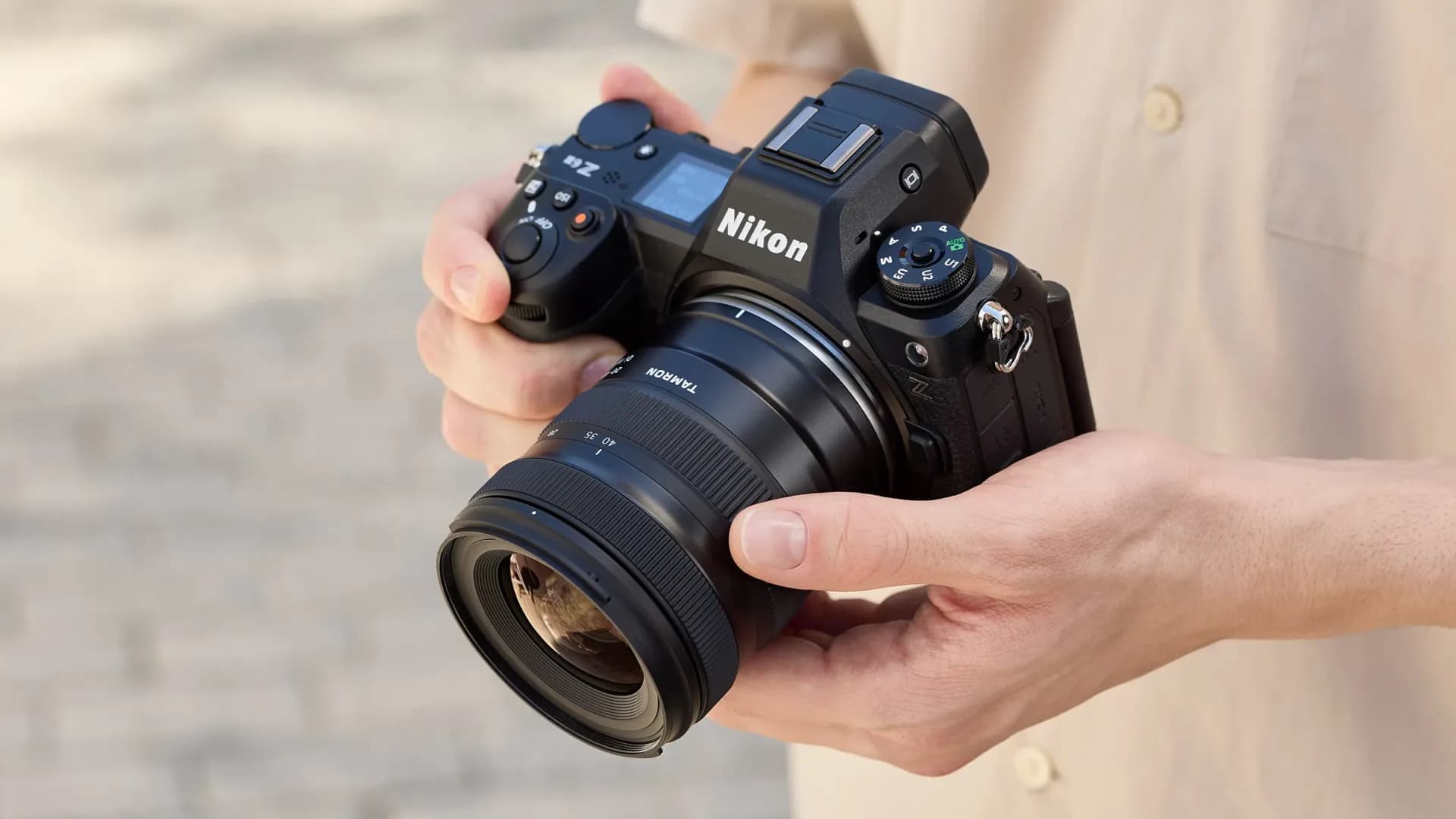
It also explains why recent activity favors low-risk iterations. A camera like the stripped-back Nikon Z5IIC, which drops the electronic viewfinder to cut physical bulk, requires very little ground-up engineering because it recycles established parts. A follow-up like the Nikon Zfc II remains stalled because a retro shell typically relies on the internals of a camera like the Nikon Z50 II, leaving little incentive to move unless the base tech takes a leap.
The lingering casualty here is the genuine entry-level buyer. Rivals are packing advanced features into cheap shells to capture younger creators. Fujifilm with the X-M5, Panasonic with the Lumix L10, and OM System with its PEN line all offer subject detection and open-gate video capture without asking for flagship money. Nikon, by contrast, has left the beginner tier largely bare since retiring entry DSLRs like the D3500.
Nikon maintains that modern shooters demand high-spec hardware from day one. Shoving high-tier silicon into a starter body does not make financial sense, but without an entry hook, brand loyalty gets harder to seed. For now, Nikon appears committed to waiting on its top chips before letting the rest of the stable move forward.
GDFiled by The Gadgets Desk
Audio, wearables, cameras, tablets, chargers and every other device worth carrying or plugging in.
More from this desk →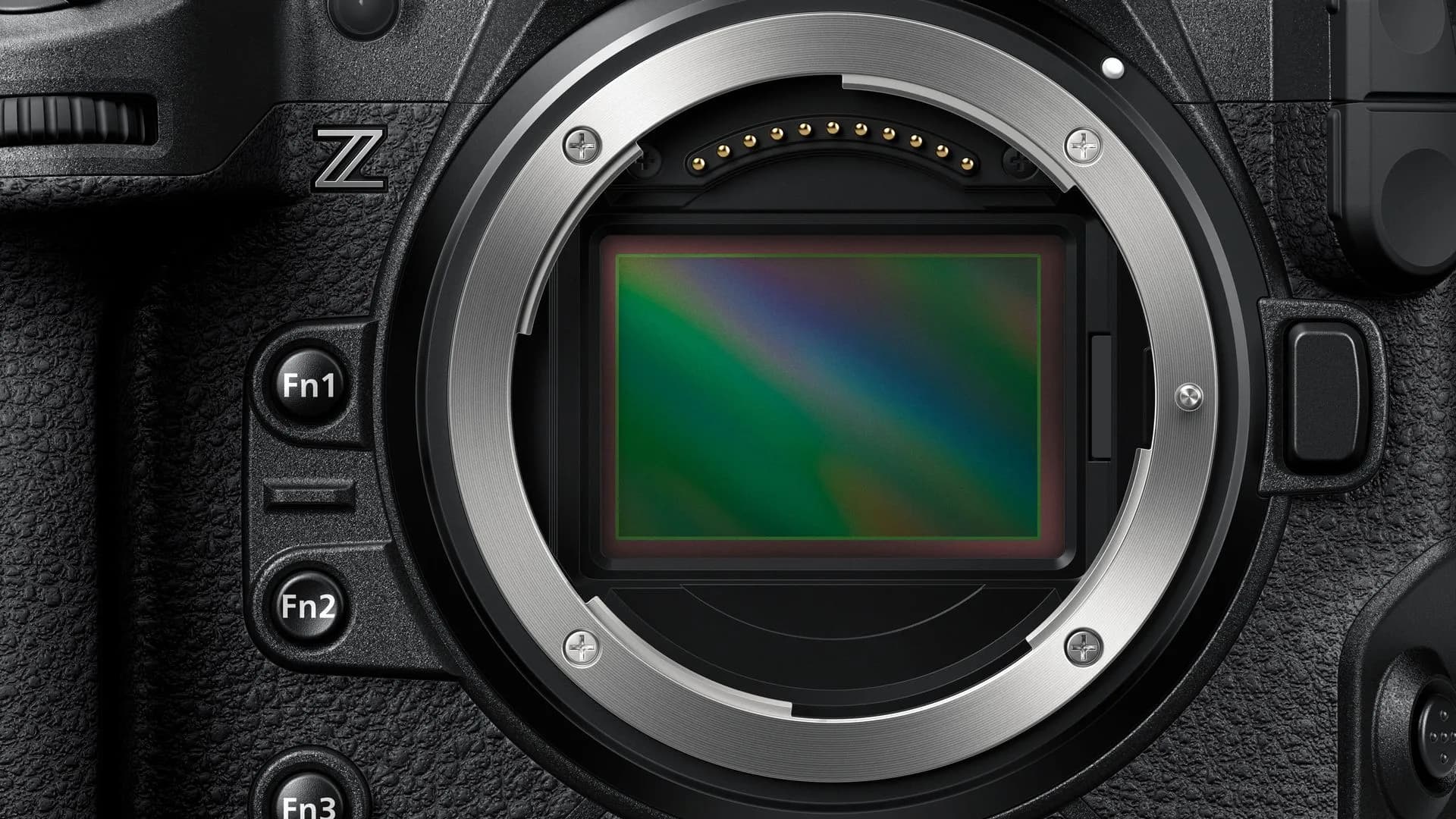


Be the first to comment
Join the argument. No password, just your email or a passkey.