<p>Notebookcheck has published its full review of the 2026 Microsoft Surface Laptop 13, and the headline is noise — or the lack of it. The new Snapdragon X2 Plus (X2P-42-100) barely spins the fan. In everyday workloads and most benchmarks the reviewer never heard it at all. Even under sustained stress the fan topped out at 29 dB(A).
Gaming pushed it to 27 dB(A). No coil whine, no electronic whir. Just quiet.</p><p>The chip itself is a six-core part with a 4.0 GHz peak. It draws up to 28 W briefly, then settles around 22 W under sustained CPU load.
In native benchmarks it lands 11 percent behind the X2P-64-100 found in the larger Surface Laptop 13.8. Apple's M5 still leads, but Notebookcheck says general performance is more than enough for daily work and does not throttle on battery.</p><p>Battery life is the other standout. The Wi-Fi rundown at 150 nits hit nearly 19 hours.
At maximum brightness the figure drops, but the panel now exceeds 500 nits, up from last year, so the trade-off is expected.</p><p>Price has moved up. Microsoft dropped the 8 GB configuration. The base SKU now ships with 16 GB of soldered RAM and 256 GB storage for $1,199. The 512 GB model Notebookcheck tested lists at $1,299 on Amazon.
RAM remains soldered. The M.2-2242 SSD is replaceable in theory, but reaching it requires removing the top of the base unit and disconnecting cables, a tedious job.</p><p>The display is unchanged in resolution and aspect: 13.5 inches, 1920 x 1280, 3:2, IPS touch. Panel ID matches the 2025 model. Brightness is the only spec that improved.
Contrast is strong for IPS. SRGB coverage is full. CalMAN measurements show a slight blue tint out of the box, though adaptive color corrects it. The problems remain: 60 Hz refresh, the Surface Pro 12 already moved to 90 Hz, and a highly reflective surface that hurts outdoor visibility.</p><p>Ports are unchanged and still limited.
Two USB-C on the right (no USB4), one USB-A on the left. No USB-C on the left side for charging. Wi-Fi 7 is supported and proved stable in testing. The 1080p webcam captures decent images but lacks Windows Hello.
A fingerprint reader sits in the power button.</p><p>Graphics come from the Adreno X2-45 clocked at 900 MHz. That's 20 to 40 percent faster than the previous Surface Laptop 13, yet the 13.8's 1,350 MHz version pulls ahead noticeably. Gaming remains very limited. Video playback is fine.</p><p>Thermals under load: the SoC starts at 32 W, drops quickly to 21 W, then levels at 17 W. Surface temperatures get warm in stress tests but stay comfortable in normal use.</p><p>Audio measures 82.1 dB peak.
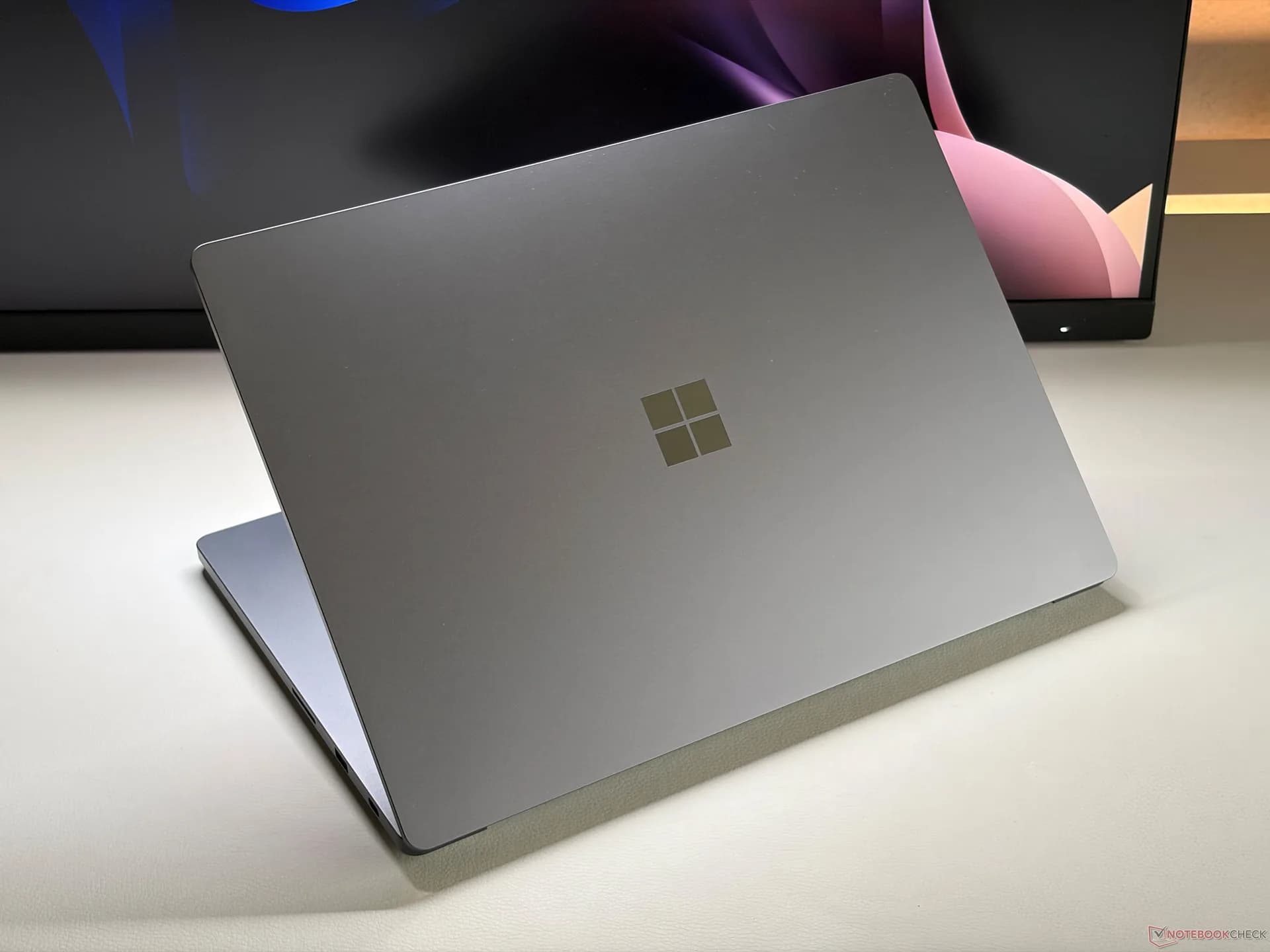
Bass sits 14.9 percent below the class median. Mids and highs are linear and balanced. Linearity is decent, 23 percent of tested devices in this class scored better, but the system lacks punch compared to the Surface Laptop 13.8 or the MacBook Air 13.</p><p>Build quality remains premium. The aluminum chassis is unchanged.
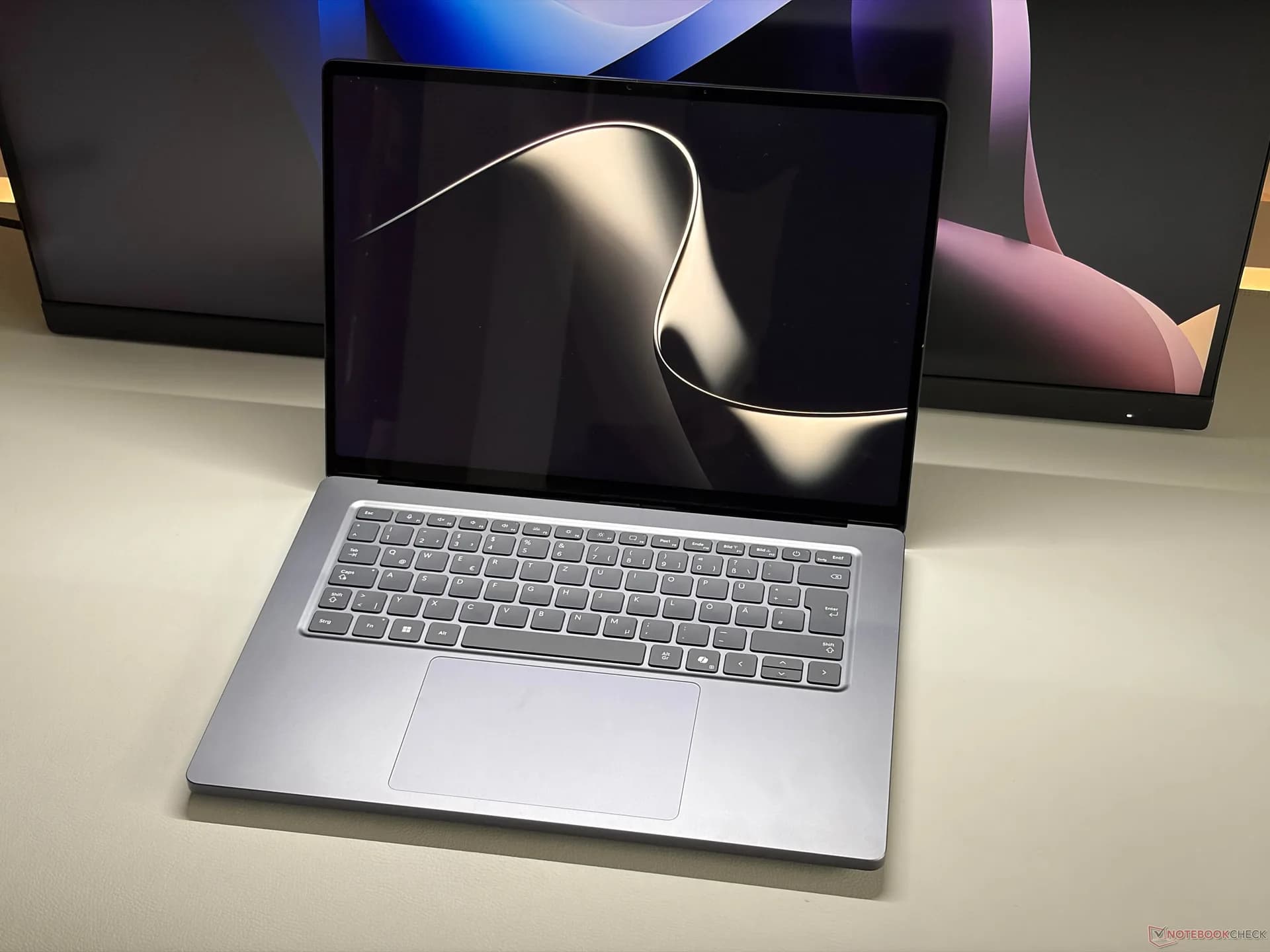
Color options are Violet (which Notebookcheck notes looks more blue in person), silver, and black. Keyboard and clickpad are comfortable.</p><p>Notebookcheck's bottom line: a very good everyday laptop that is now one of the quietest Windows machines available. The compromises, 60 Hz panel, no USB4, soldered RAM, difficult SSD access, are the same ones Microsoft has carried forward for years.</p>
RRFiled by The Reviews Roundup Desk
What the reviews are saying: verdicts on new devices from the outlets that tested them, summarised and credited to each. This desk does not test products itself.
More from this desk →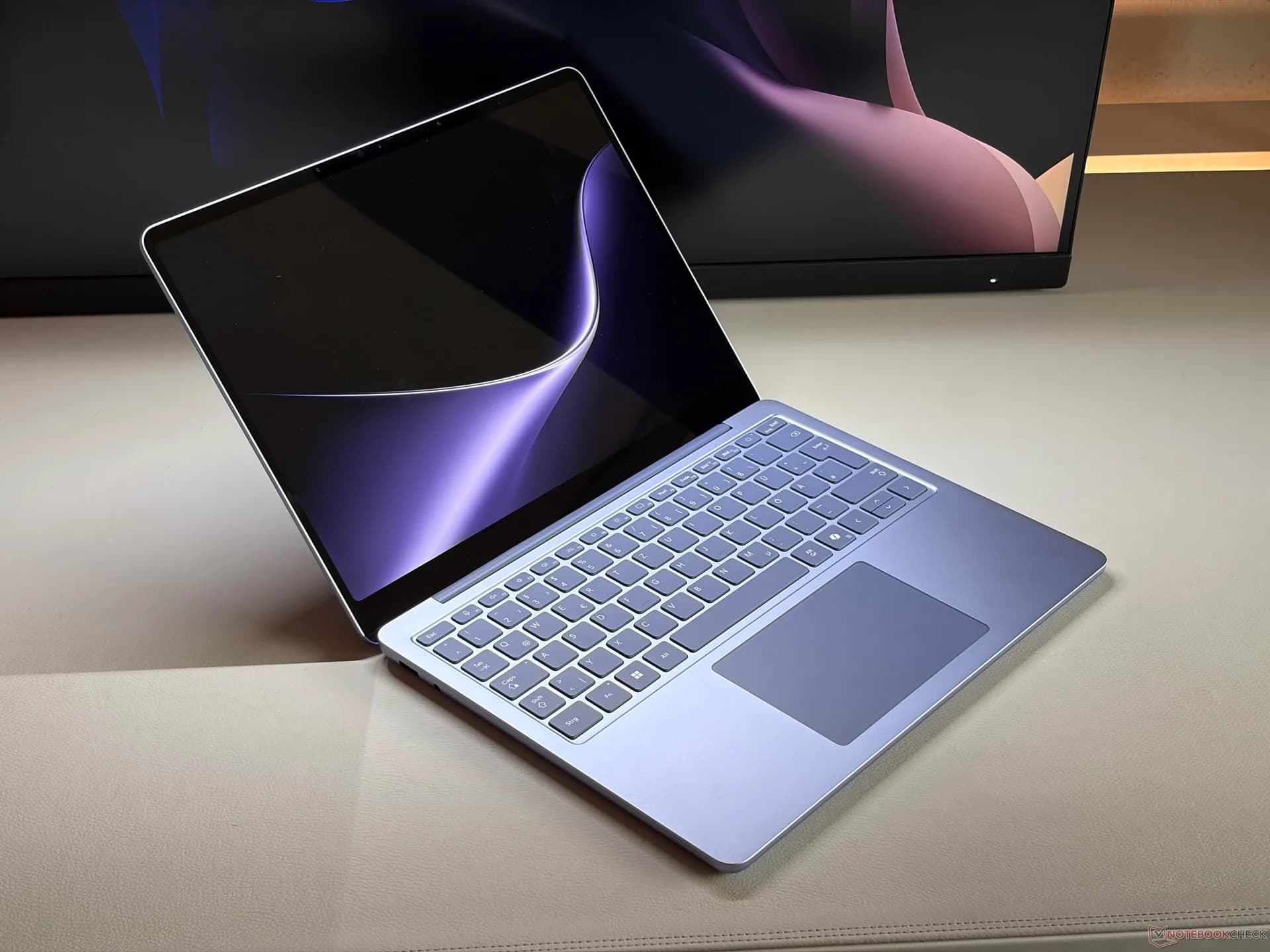

Be the first to comment
Join the argument. No password, just your email or a passkey.