Nvidia has built its first chip with unified memory, and according to an analysis from Notebookcheck, it still can't catch Apple at its own game.
The RTX Spark N1X pairs an ARM-based CPU with a Blackwell GPU and a shared memory pool, the same basic idea Apple has used in its M-series chips since 2020 and that AMD copied two years ago with its Strix Halo processors. Unified memory lets the CPU and GPU draw from one pool instead of shuttling data between separate chips, which matters a lot for people doing heavy video editing or running large AI models locally. This is the first time Nvidia has shipped a GPU built this way.
But Notebookcheck's comparison found the N1X losing to Apple's M5 Pro and M5 Max across the board on raw CPU performance, in both single-core and multi-core tasks, and on efficiency too. Apple's lead there isn't surprising given the M-series is now five generations deep, but it's still a wide gap according to the outlet's numbers.
Where the N1X actually wins
The picture flips on graphics. Notebookcheck found Nvidia's Blackwell GPU pulling well ahead of the M5 Pro's graphics core. The M5 Max, Apple's higher-tier chip, still comes out faster than the N1X on GPU work, so Nvidia's advantage only holds against the mid-tier Apple silicon.
On AI workloads, the two chips land close together, at least in the comparisons Notebookcheck has run so far. The outlet notes it's only been able to test the N1X against the M5 Pro on this front, not the M5 Max, so a fuller AI picture isn't in yet.
The price problem
Here's the awkward part for Nvidia. The company is positioning the N1X as a rival to Apple's M5 Pro machines, but Notebookcheck found that MacBook Pro models built around the M5 Pro are actually priced slightly below comparable N1X hardware. That undercuts the pitch, since Nvidia isn't just behind on CPU benchmarks, it's also not cheaper for the privilege.
The one place the N1X pulls ahead on value, according to the analysis, is at the top end of memory. Configurations with 128 GB of RAM only come from Apple paired with the pricier M5 Max chip, so a 128 GB N1X machine can undercut Apple there simply because Apple doesn't offer that much memory on its cheaper M5 Pro tier.
Notebookcheck says a fuller breakdown is available in its separate analysis of the chip, and more direct comparisons, particularly against the M5 Max on AI tasks, are likely to follow as more N1X hardware reaches reviewers. For now, the chip reads less like a Mac killer than a reminder of how far ahead Apple's silicon still is on efficiency, even if Nvidia's graphics muscle gives it one real edge.
CDFiled by The Computing Desk
Laptops, desktops, processors, graphics cards and the operating systems that run on them.
More from this desk →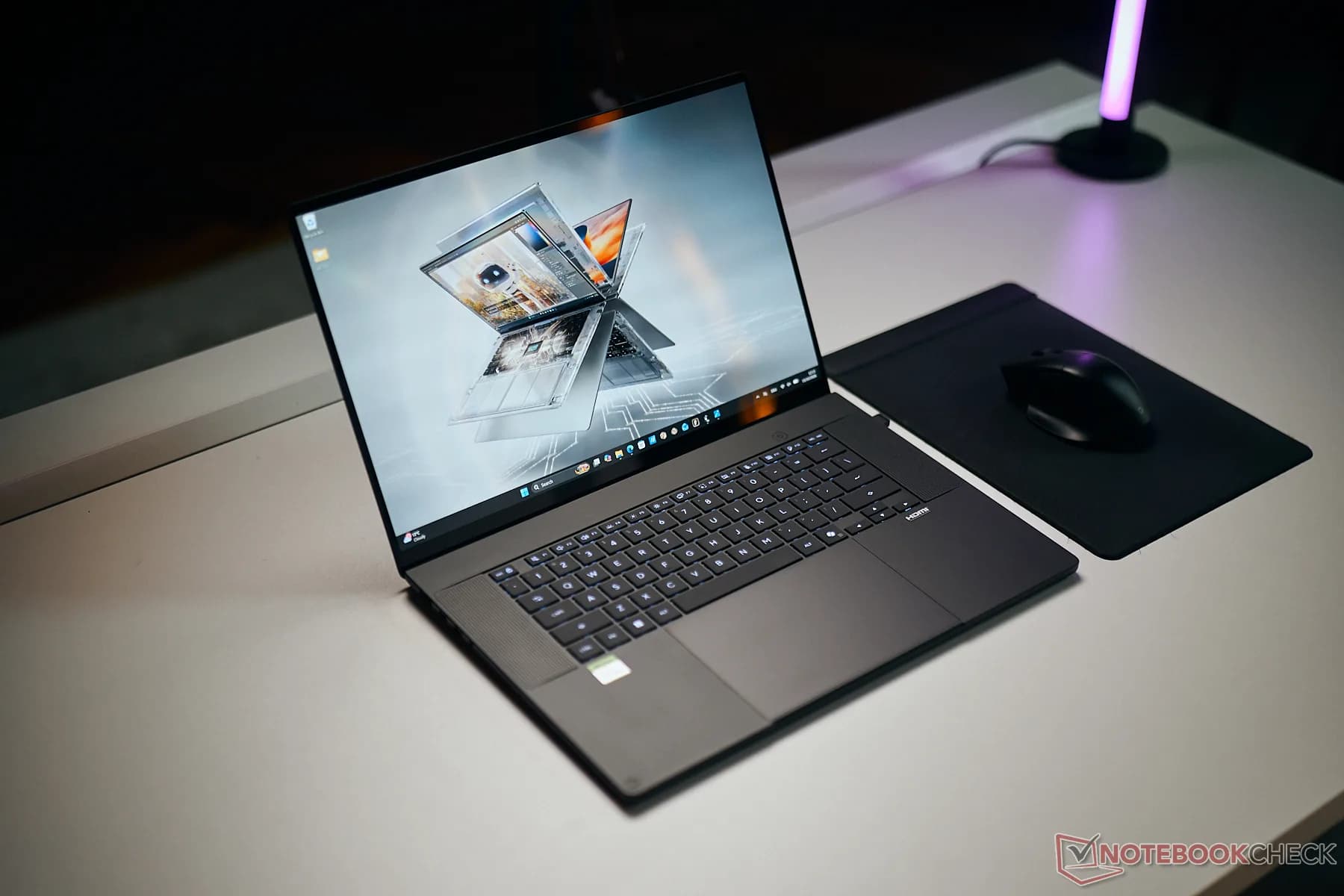


Be the first to comment
Join the argument. No password, just your email or a passkey.