Skip to content
Trending
Gaming2 min read

Pimax Reveals Spation Mini PC for High-End Living Room Gaming

The compact desktop packs desktop GPUs up to an RTX 5070 Ti alongside SteamOS and Windows support.

By Player Two

The Games Desk · (2 hours ago)

Reported fromoutlet, credited1
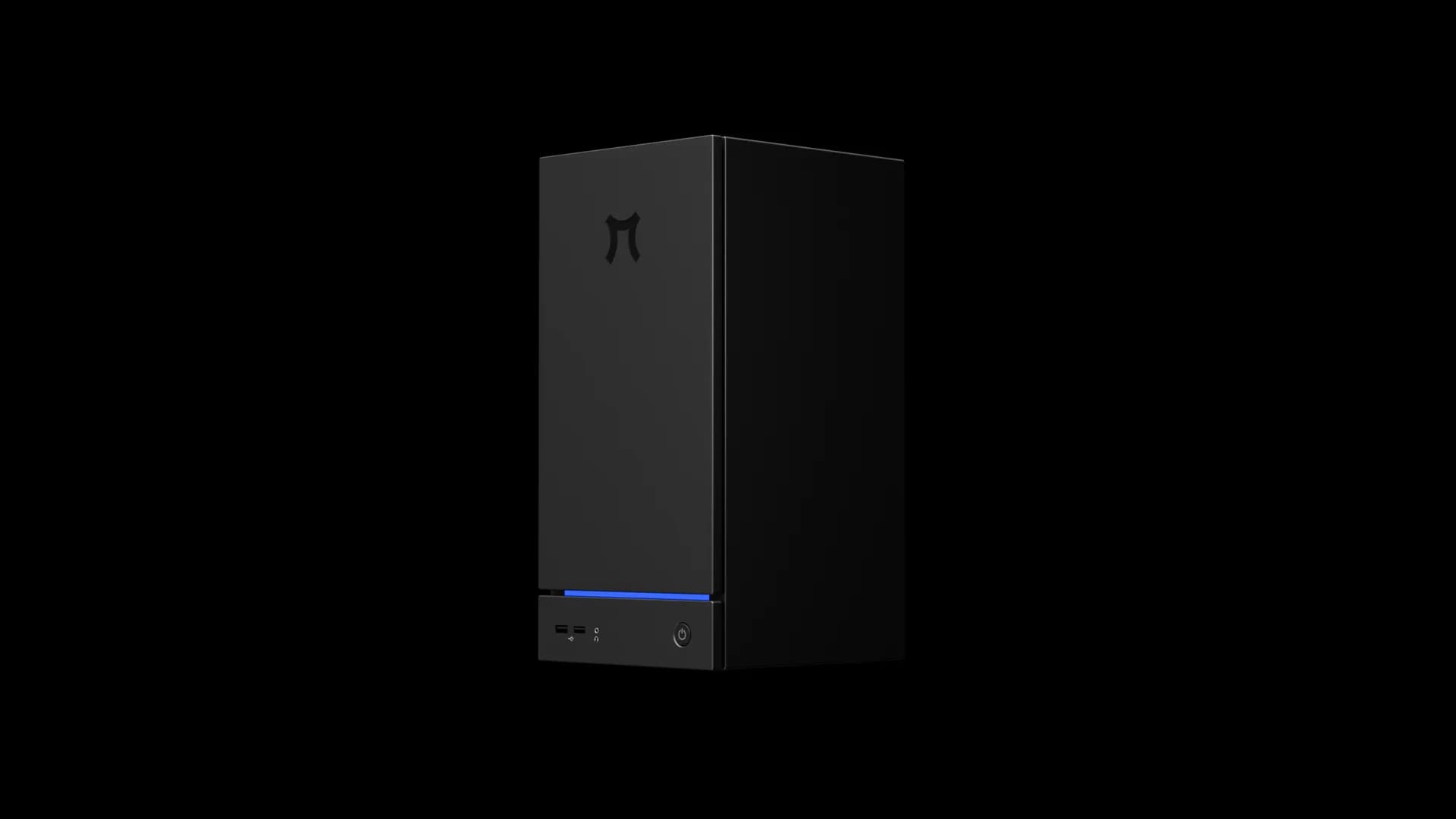
Render of the Pimax Spation mini PC chassis showing internal component layout and rear ports
Render of the Pimax Spation mini PC chassis showing internal component layout and rear portsPhoto via PC Gamer

Pimax wants a spot under your television. The VR headset maker has unveiled the Spation, an upright desktop that packages full desktop-class graphics into a compact tower built for living room setups.

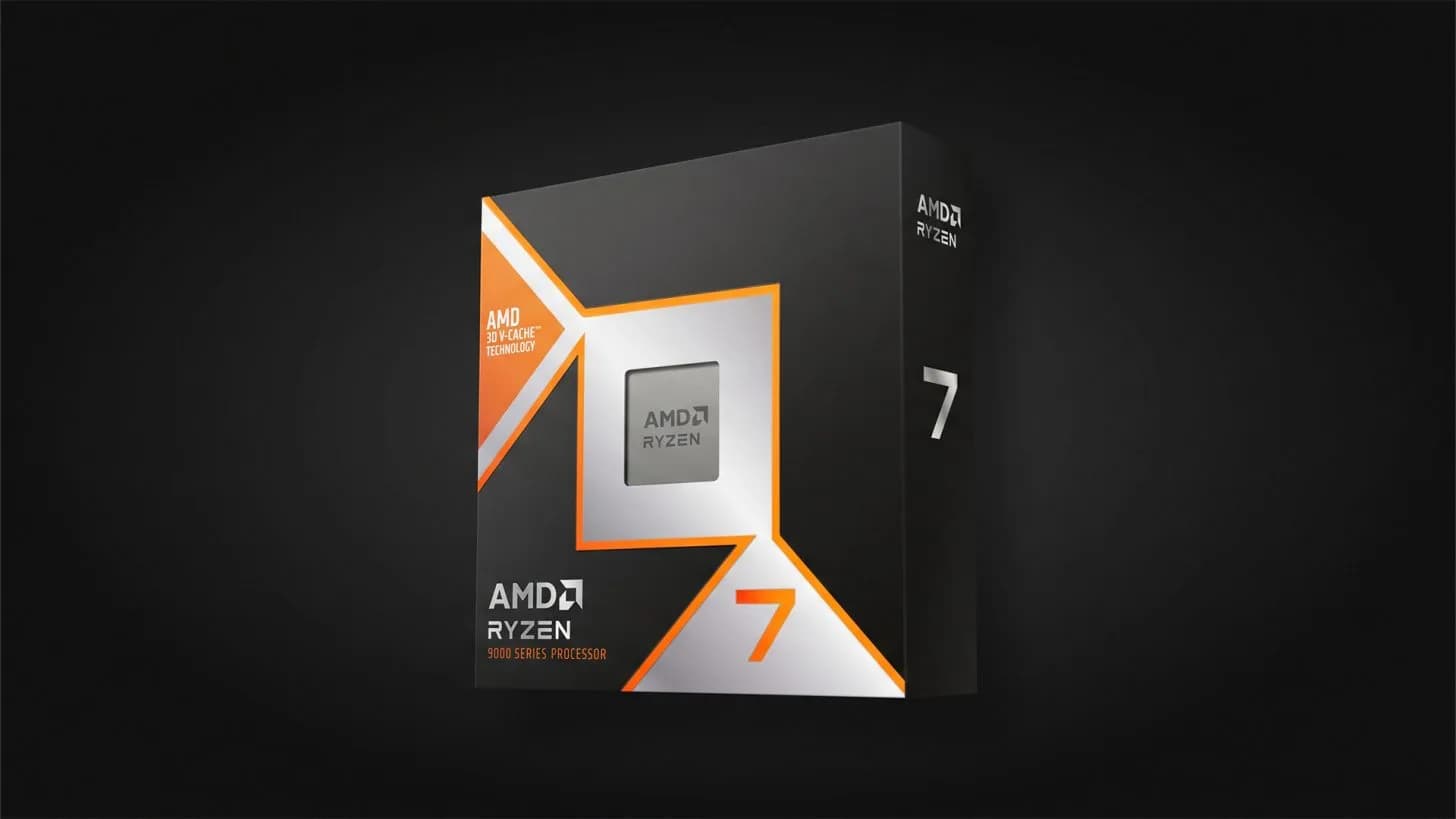
Pimax is pitching the machine directly at players who want enough power for demanding virtual reality without parking a full ATX tower in the lounge. Inside, the prebuilt configurations will ship with AMD's Ryzen 7 9800X3D processor paired with either an Nvidia GeForce RTX 5070 Ti or an AMD Radeon RX 9070 XT. Backing up that hardware are 32GB of DDR5 memory, a 1TB solid-state drive, and a 1000W SFX power supply.

The layout takes obvious cues from small-form-factor builds. The enclosure uses an upright internal sandwich style, placing what appears to be a Mini-ITX board with two memory slots on one side and the discrete graphics card mounted flat on the opposite side via a PCIe riser cable. A cooling fan sits directly above the power supply, while ventilation runs through removable front and rear panels to keep air moving over the graphics hardware. Along with complete builds, Pimax plans to sell a barebones version where buyers supply their own graphics card, memory, and storage.
Port selection is extensive for a compact box. The Spation features two DisplayPort 2.1 outputs, one HDMI 2.1 port, a single USB4 connection, and six USB 3.2 Gen 2 ports. Wireless duties are handled by Wi-Fi 7 and Bluetooth 5.4.

Software support is where things get interesting. Pimax plans to offer the Spation with both Windows and SteamOS compatibility. The company also says it will release a dedicated Linux client for its Pimax Play software. Running Valve's operating system on an living room rig offers a console-like interface, but software choices will matter depending on parts and use cases. Nvidia graphics support on SteamOS remains an ongoing project across the Linux ecosystem, while Windows continues to serve as the default environment for PC VR headsets.

Pimax has not announced pricing or a release date for either the complete systems or the barebones chassis kit.

Reported from

How this story was made

Written by the Hitechreports desk from the reporting credited above, with facts attributed to their original publishers. We do not test devices ourselves; anything about performance, battery life or cameras comes from the outlets that did. Prices are as reported at the time of writing. Editorial policy · Report an error

What did you make of it?

Filed by The Games Desk

Consoles, handhelds, PC gaming and the platforms and hardware behind them.

More from this desk →

Be the first to comment

Join the argument. No password, just your email or a passkey.