Americans are buying fewer home video game systems than they have in decades, driven away by relentless price jumps that show no sign of letting up.
Circana tracking data published by analyst Mat Piscatella reveals that Xbox hardware unit sales in the US dropped 33% year-to-date compared to 2025, reaching an all-time low. PlayStation hardware units fell 25% over the same stretch, landing at their weakest domestic volume since 2013.
The culprit is straightforward: hardware costs have shot up instead of following the usual mid-generation discounts. Consumers spent an average of $597 on a PlayStation console in 2026 through August, up 20% year-over-year. The average Xbox purchase price climbed 26% to $529 during the same timeframe. Both figures represent record highs in the United States. Piscatella cautioned that the domestic console market now sits in its most vulnerable spot since the crash of the early 1980s.
Data Center Demand Pinches Parts
Underneath the retail hikes is a stubborn supply crunch. Memory and storage manufacturers have shifted massive amounts of manufacturing allocation away from consumer electronics toward enterprise artificial intelligence facilities. The squeeze has driven up bill-of-materials expenses for every device maker, forcing price increases onto PlayStation 5 models, Xbox Series machines, and the Switch 2.
Component suppliers expect the pinch to last. Micron leadership has indicated that tightness in memory supply will stretch into 2028. Xbox head Asha Sharma recently laid out how quickly those bills mounted, noting that storage component costs had already multiplied several times over since late 2024, with projections that procurement prices heading into late 2027 could exceed five times what Microsoft paid two years ago.
Publishers are counting on blockbuster releases to break the slump. Grand Theft Auto 6 is slated to launch next month, but Piscatella warned that even a generational software release cannot rescue declining numbers if retail consoles remain too expensive or become hard to find on shelves. If silicon remains locked up in data centers, manufacturers simply cannot construct enough units at acceptable price points to turn the curve before the holidays.
GDFiled by The Games Desk
Consoles, handhelds, PC gaming and the platforms and hardware behind them.
More from this desk →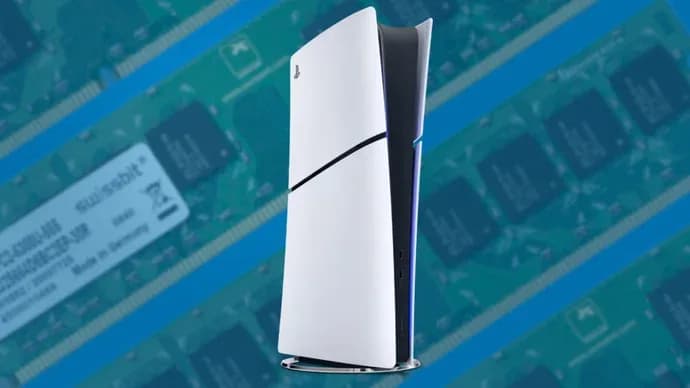



Be the first to comment
Join the argument. No password, just your email or a passkey.