Qualcomm's transition to 2nm silicon is hitting unexpected turbulence inside Samsung's validation labs.
Factory evaluations of the upcoming Snapdragon 8 Elite Extreme Gen 6 show severe thermal throttling during prolonged operational stress, according to a report from South Korean business publication Sedaily. The chipmaker has reportedly received Samsung's test data alongside a firm demand: resolve the thermal hurdles before October wraps up.
The findings center on sustained clock stability. When subjected to continuous heavy processing runs, the prototype 2nm chip allegedly drops its operational frequencies to rein in mounting heat. That performance degradation is happening despite Qualcomm adopting an Offset PoP packaging design aimed at keeping temperatures in check and preserving continuous throughput.
Neither Sedaily nor Samsung disclosed specific benchmark telemetry or frequency numbers from those internal test runs. That absence of hard figures warrants caution. Still, Qualcomm's tendency to chase raw benchmark records on tools like Geekbench 7 often comes with a steep trade-off in power draw, pushing silicon limits to secure single-core and multi-core leads against rival designs.
Pressure from the 2nm Foundry Rivalry
The timing could hardly be worse for Qualcomm. While early engineering revisions frequently struggle with thermal envelopes, Samsung holds use that other Android phone makers lack. The South Korean manufacturer has its own 2nm fabrication node, dubbed SF2P, currently tasked with producing the Exynos 2700.
Past iterations tell a complicated story. Korean industry dispatches previously praised chips like the Exynos 2600 ahead of release, only for independent testing to show those parts trailing equivalent Snapdragon hardware. Yet if Qualcomm cannot tame power dissipation on its flagship platform, Samsung has an in-house alternative ready to step into high-end Galaxy production lines.
The engineering philosophy also stands in sharp contrast to rivals across the aisle. Apple built its recent A20 Pro architecture around wide execution units and aggressive passive cooling, pairing the silicon with a vapor chamber inside the iPhone 18 Pro Max to prevent the steep thermal degradation common on fanless mobile motherboards.
Qualcomm has not issued an official response to the validation reports. With the month drawing to a close, engineers at both companies are racing against the clock to adjust power targets and voltage tables before production orders lock in.
CDFiled by The Computing Desk
Laptops, desktops, processors, graphics cards and the operating systems that run on them.
More from this desk →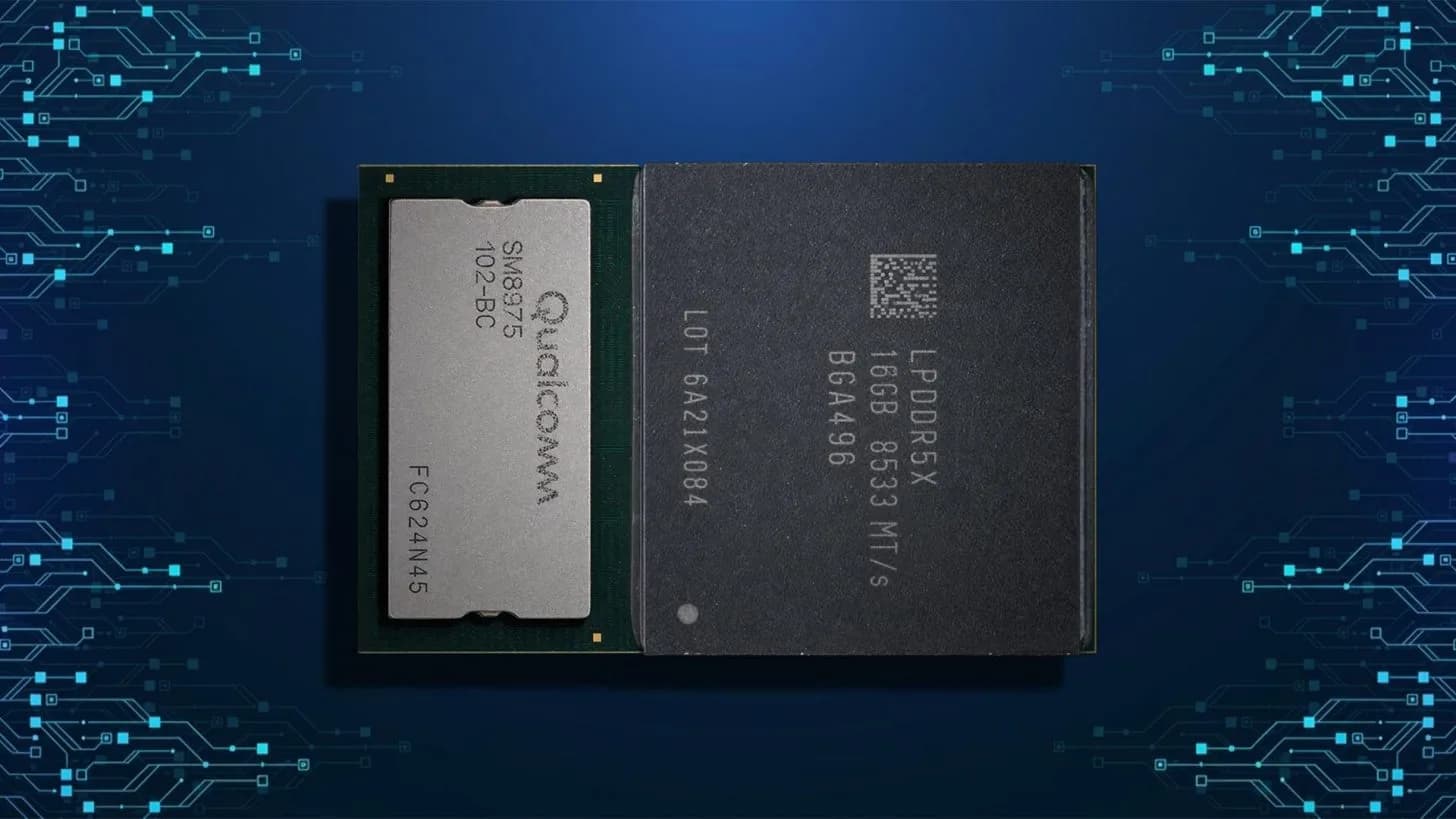

Be the first to comment
Join the argument. No password, just your email or a passkey.