Qualcomm has rolled out a new chipset platform called Snapdragon Sound Elite Gen 2, built around technology the company calls XPAN, which is designed to let headphones switch between Wi-Fi and Bluetooth streaming depending on how strong the connection is.
The idea, according to Qualcomm, is that a pair of headphones sitting near a router could stream at a higher quality over Wi-Fi, then drop back to Bluetooth automatically as the listener walks away and the signal weakens. No headphones built around the new platform have been announced yet, and nobody outside Qualcomm has tested it.
But the timing matters for a very specific, very small corner of the headphone market: wireless open-back headphones, a category that has barely grown in four years.
Open-back designs skip the sealed earcups of typical headphones, which lets air move through the driver and, audio enthusiasts argue, produces a more natural, roomier sound. The tradeoff is that sound leaks out both ways. Anyone nearby can hear what you're playing, and there's no active noise cancellation to block out the room.
Grado, the New York audio brand, effectively created the wireless version of the category with the GW100 in the early 2020s, followed by the GW100x in 2022. Audio-Technica only joined this year, with the ATH-AL5NC, its first open-back wireless headphones. Between those two releases, little else from major audio brands has reached the category, according to What Hi-Fi?, which has reviewed both.
The bottleneck has long been Bluetooth itself. Even with high-resolution codecs like aptX, Bluetooth audio is compressed and lossy compared with a wired connection, and serious listeners have generally treated that as the price of going cordless. What Hi-Fi? Says plugging the Grado GW100x in with its bundled 3.5mm cable produces a clear jump in sharpness and detail over its wireless connection, the kind of gap that matters more on an open-back design built to showcase a wide, airy soundstage.
Part of the reason wireless chipsets haven't bridged that gap sooner is power. Wi-Fi streaming draws far more battery than Bluetooth, and most headphone chipsets weren't built to support it at all, which is why cabled listening and Bluetooth streaming have stayed two separate, non-overlapping options.
Snapdragon Sound Elite Gen 2 is Qualcomm's attempt to blur that line by making the switch between the two connections automatic rather than a choice the listener has to make. It won't put wireless audio on par with a wired connection, but the pitch is a smaller, less noticeable gap between the two.
What happens next depends on headphone makers actually building around the new chipset. Qualcomm has not named any hardware partners shipping with Snapdragon Sound Elite Gen 2, and until a pair of headphones ships with it, the scaling claims remain exactly that: claims. For a category as thin as wireless open-backs, even one well-reviewed launch built on the new platform would be news in itself.
GDFiled by The Gadgets Desk
Audio, wearables, cameras, tablets, chargers and every other device worth carrying or plugging in.
More from this desk →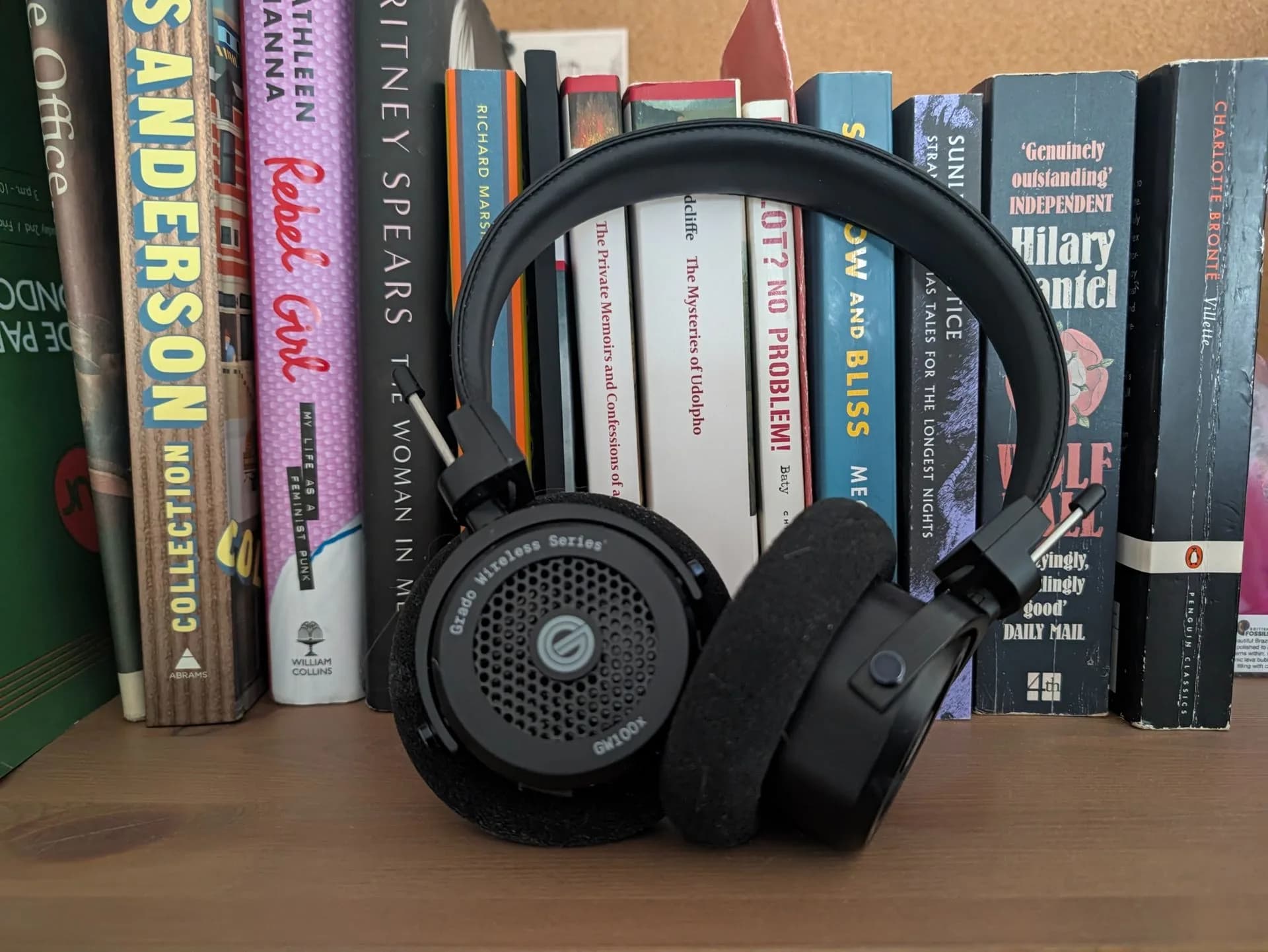


Be the first to comment
Join the argument. No password, just your email or a passkey.