Ring Doorbell and Google Nest Doorbell are the two dominant smart doorbells in the US and India — and their differences matter more than ever as buyers weigh video fidelity, real-time responsiveness, and long-term subscription costs.
Ring’s higher-end models, like the Ring Wired Doorbell Pro, capture at 1536p HD+ resolution with a 155° to 160° fisheye field of view. Google Nest Doorbell tops out at 960 x 1280 (1.2MP) in a 3:4 aspect ratio and 145° field of view. The Nest feed avoids fisheye distortion. Ring’s wider lens delivers more coverage but introduces a circular view some users find distracting.
Lighting performance is where Ring pulls ahead decisively. Its HDR video handles direct sunlight without blown-out highlights, a consistent pain point for Nest in bright conditions. At night, Ring offers full-color night vision using ambient light sensors. Nest relies solely on infrared, delivering monochrome footage.
Real-time responsiveness also favors Ring. BGR testing found Ring delivers faster push notifications and smoother live-stream tracking. Nest doorbells show slight latency delays, enough that users may miss visitors entirely, especially during brief doorbell presses.
Two-way audio is sharper on Ring’s Wired Doorbell Pro, which treats incoming rings like phone calls on a smartphone, ensuring alerts aren’t missed. Ring also supports preconfigured voice replies when owners are away. Nest lacks native support for automated voice responses.
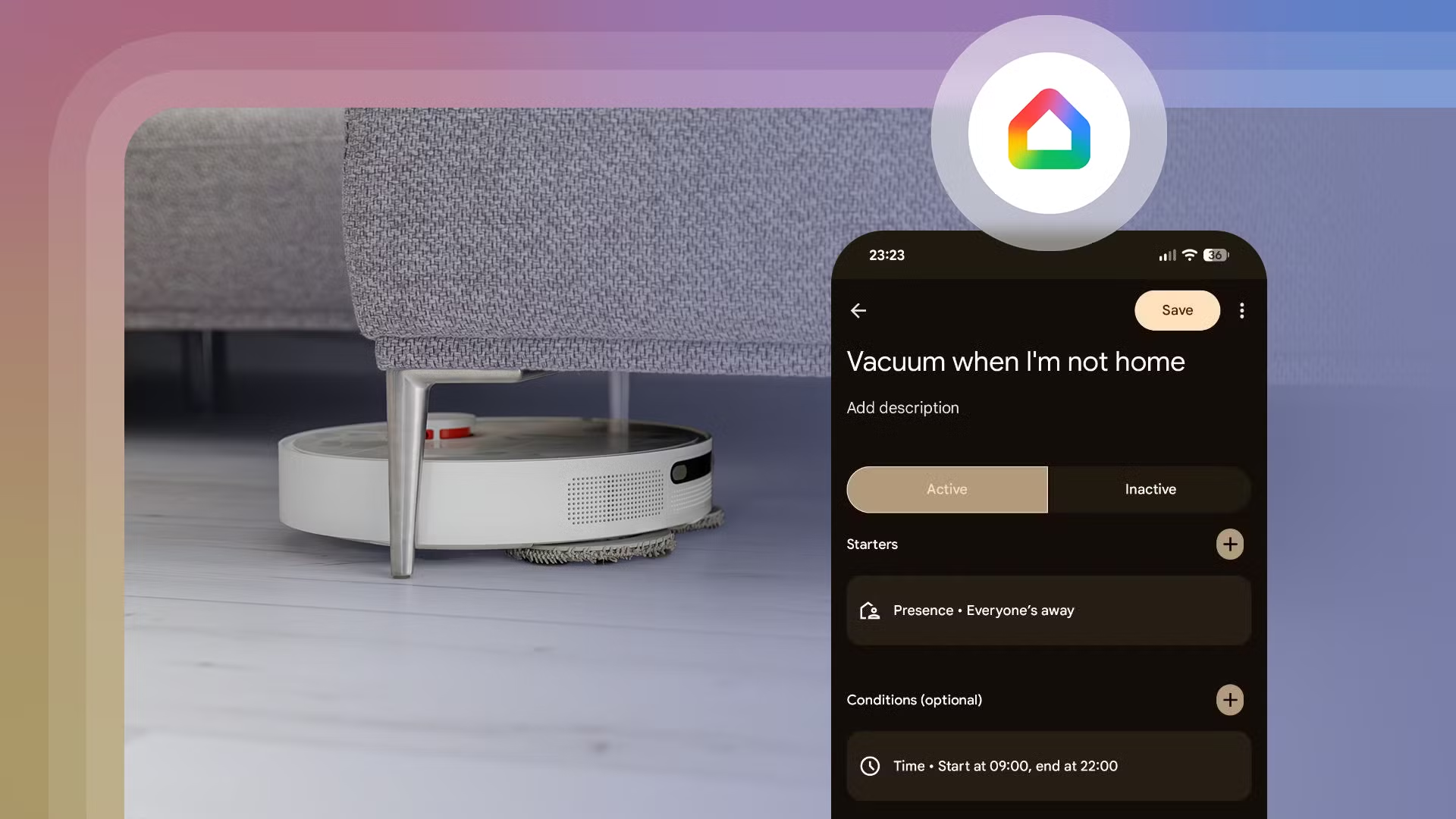
Ecosystem integration remains a tiebreaker. Nest pairs cleanly with Google Assistant, casting live feeds to Nest Hub displays or Chromecast-enabled TVs. Ring integrates natively with Amazon Echo Show screens. Neither works cross-platform: Ring devices are incompatible with Google Home, and Nest doorbells don’t appear in Alexa routines.
Video storage is the biggest divergence. Without a subscription, Nest gives 3 hours of free event-based history. Ring offers zero free cloud storage, all clips require a plan from day one.
Ring’s entry-tier Solo plan costs $4.99/month for one doorbell. Its Multi plan ($9.99/month) covers unlimited Ring hardware at a single address. Nest Standard ($10/month) matches that scope, while Nest Advanced ($20/month) unlocks 24/7 continuous recording, up to 10 days of timeline history on wired models.
Retention policies differ sharply. Ring stores event clips for up to 180 days across all tiers. Nest caps event history at 60 days, even on Advanced, and continuous recording only applies to wired units.
No device offers local storage without cloud dependency. Both brands lock core features behind recurring payments. For Indian buyers, Ring Solo is priced at Rs 399/month. Nest Standard is Rs 799/month, though neither source specifies exact launch timing or regional rollout details beyond pricing.
The choice now hinges less on raw specs and more on priorities: Ring for color night vision, speed, and wide-angle coverage. Nest for timeline continuity, Google ecosystem cohesion, and cleaner daytime framing. Neither has announced new hardware, this is a functional comparison of current-generation models available globally.
HTFiled by The Home Tech Desk
TVs, home appliances and the smart home: refrigerators, washing machines, air conditioners, purifiers, robot vacuums, the sets on the wall and the platforms that connect them. Launches, prices in the US and India, and what changed.
More from this desk →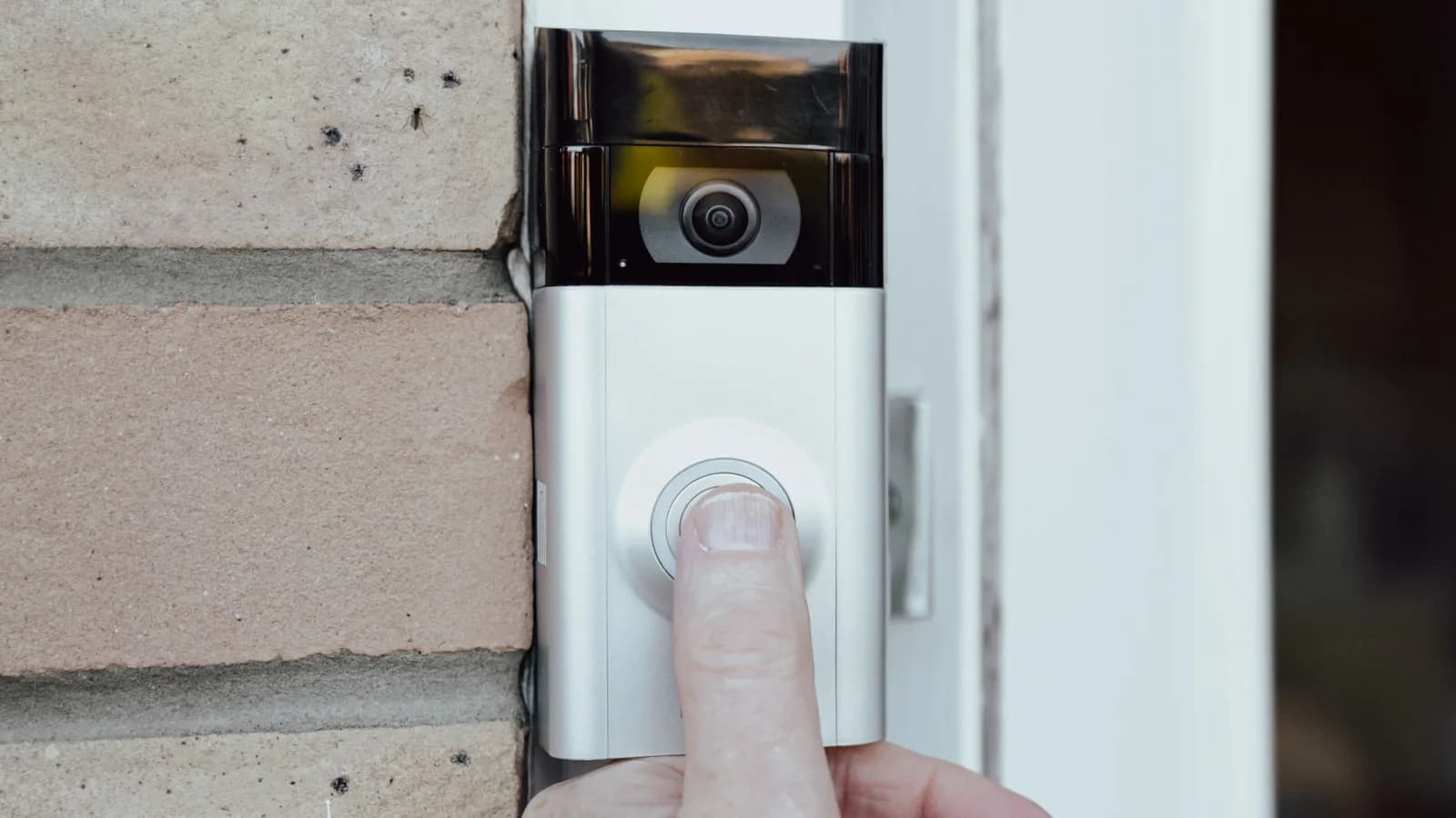
Be the first to comment
Join the argument. No password, just your email or a passkey.