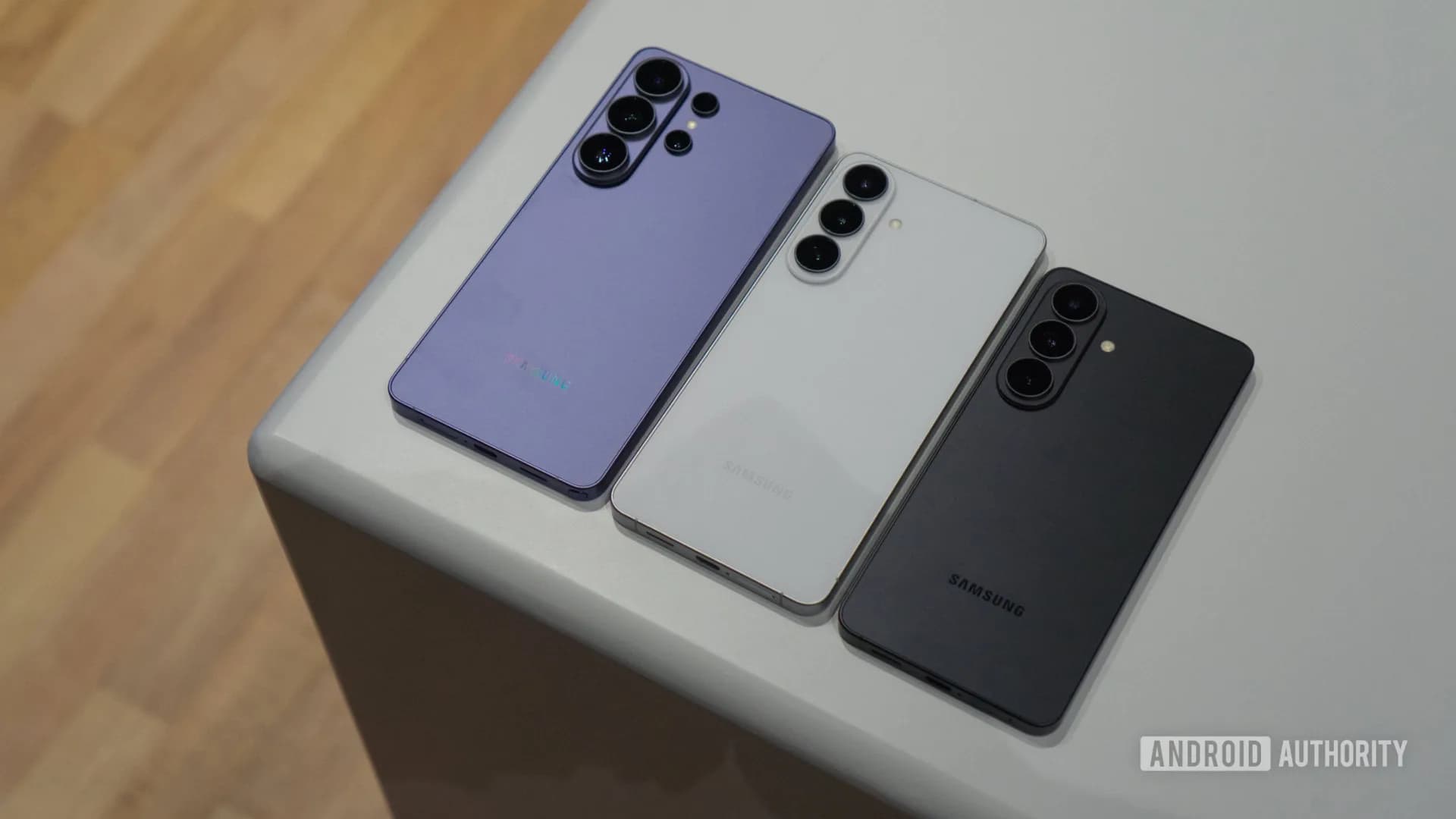
Samsung might keep Qualcomm silicon locked into its priciest flagship for another generation. Fresh chatter from South Korea suggests the Galaxy S27 Ultra will not carry the upcoming Exynos 2700 anywhere in the world, leaving the device as an exclusive Snapdragon showcase.
That directly counters earlier whispers hinting that Samsung planned a geographic split for the Ultra tier. Talk had swirled that buyers in specific territories might receive an Exynos variant, while North America and select Asian markets kept Qualcomm's silicon. The newer supply leak pushes back against that premise entirely. Instead, the Exynos 2700 reportedly lacks any planned volume allocation for the S27 Ultra line.
Exynos reserved for smaller models
Dropping the in-house chip from the flagship tier is not down to factory trouble this time around. The South Korean report points out that manufacturing yields on the Exynos 2700 look solid. Samsung reportedly moved the silicon into mass production a week ago, boosting component build runs roughly 10 percent above last year's Exynos 2600 levels.
Rather than saving components for a massive Ultra footprint, Samsung supposedly intends to use that output elsewhere across the lineup. Current projections have the standard Galaxy S27, the Galaxy S27+, and a reported Galaxy S27 Pro running on Exynos hardware across their production runs. Funneling the home-grown platform toward lower tiers would allow Samsung to manage its parts budget without fracturing the Ultra lineup's global specs.
The flagship silicon puzzle
Buyers who splurge on the Ultra usually demand uniform internal components regardless of where they place an order. Fragmented architectures have burned customer goodwill in the past, especially whenever camera image processing or thermal throttling showed measurable gaps between Qualcomm and Exynos silicon.
Still, early leaks about upcoming hardware ought to be treated cautiously. Component production roadmaps shift rapidly in the semiconductor world, and early manufacturing schedules regularly adapt to contract negotiations before phones reach store shelves. For now, South Korean supply indicators point to a distinct split: Qualcomm stays pinned to the top of the range, while Samsung's proprietary silicon shoulders the bulk of the mainstream fleet.
MDFiled by The Mobile Desk
Phones from leak to launch to price cut: what was announced, what it costs where, and when it goes on sale. Indian launches and prices included, not appended.
More from this desk →
Be the first to comment
Join the argument. No password, just your email or a passkey.