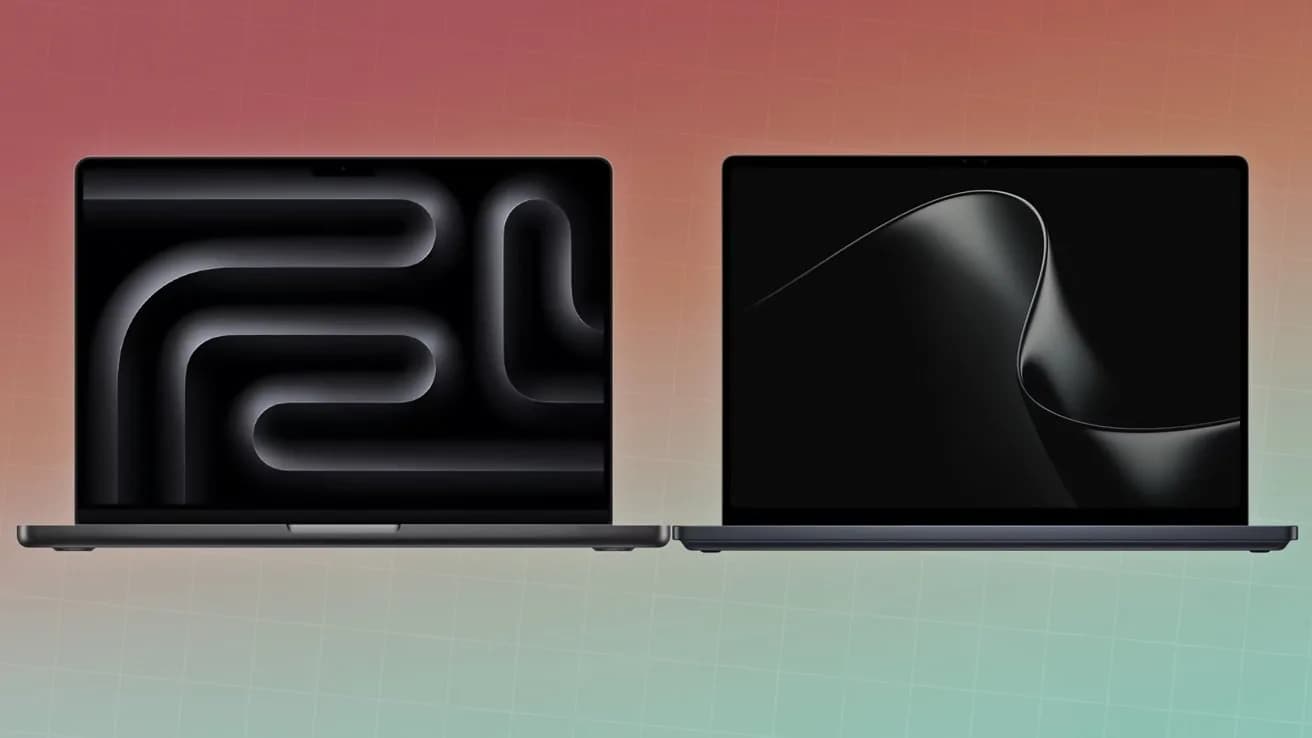
Microsoft's Surface Laptop Ultra has landed in the hands of reviewers, and the early verdicts line up on one point: this is the most serious MacBook Pro competitor the company has built, even if it isn't quite a clean win.
Gizmodo's review put the base price at $2,600 for a configuration with 24GB of unified memory and a lower-end CPU and GPU. The review unit Microsoft sent, loaded with 128GB of memory, 1TB of storage and the top-tier 20-core processor, came in at nearly $6,000, a price Gizmodo's reviewer called "enormous" and compared directly to Apple's pricing for a maxed-out MacBook Pro. No Indian pricing has been reported yet.
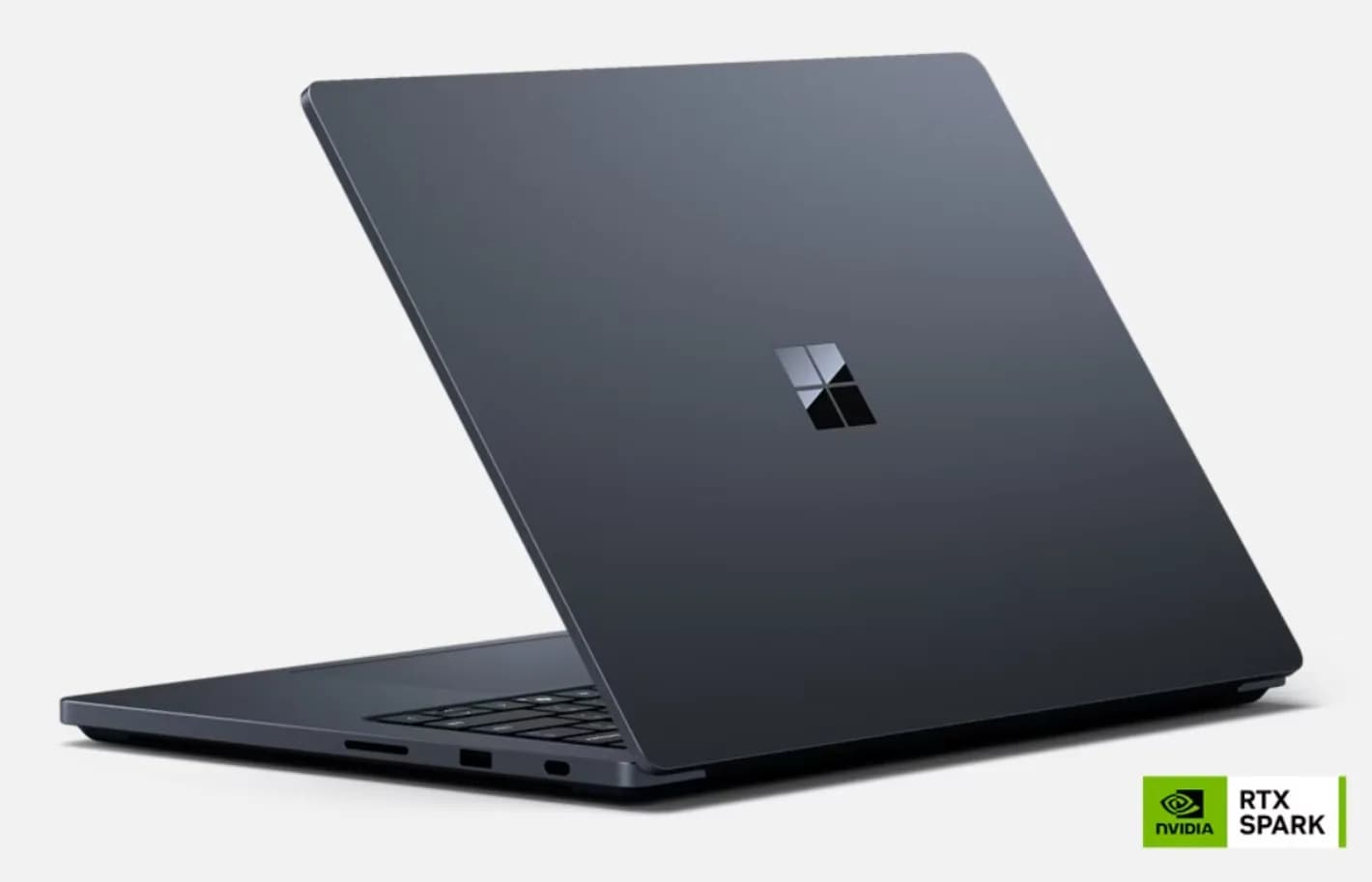
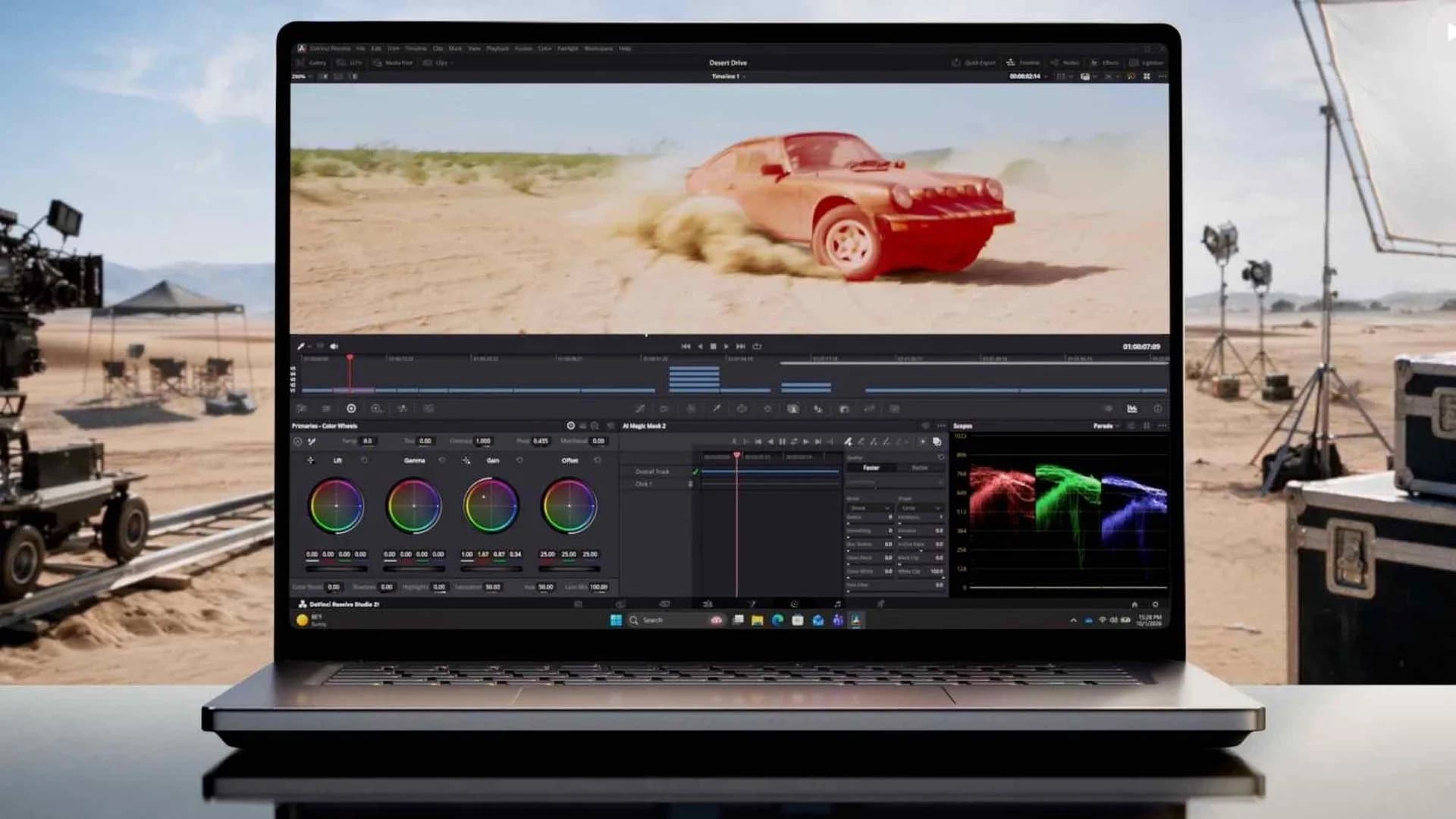
Both reviews single out the Nvidia RTX Spark N1X as the real story here. It's described as a "superchip" in Wired's review, and it's the first of its kind to ship in a Surface. The idea, per both outlets, is one machine that handles on-device AI, gaming and content creation without the usual battery penalty that comes with that kind of power.
Weight, size and that magnetic port
Wired clocked the laptop at 4.4 pounds, lighter than a 16-inch MacBook Pro but thicker than it, and in fact the thickest of the new wave of N1X-powered laptops, with HP's OmniBook Ultra reported as the thinnest of the group. Gizmodo's measurement came in slightly higher, at 4.5 pounds and 18mm thick, and its reviewer noted the laptop weighs nearly a full pound more than several 14-inch MacBook Pro configurations while landing close to the 16-inch model.
Both outlets flagged the same standout feature: a new magnetic USB-C port on the right side of the chassis, which Microsoft says is tuned to release with roughly the same pull as the old Surface Connect magnetic cable. Wired called it "a really neat bit of innovation," though both reviewers noted only the right-side port gets the magnetic treatment, and that the connector has to be pulled straight out rather than up or down the way MagSafe works on a MacBook.
A very bright screen, with trade-offs
Wired measured the 15-inch, 3:2 display at 987 nits in SDR and 1,945 nits in a 9 percent HDR window using a colorimeter, backed by 1,344 Mini-LED dimming zones, and called it the brightest laptop screen it has measured. Pixel density comes in at 257 pixels per inch, edging out the 16-inch MacBook Pro. Wired's reviewer did note the panel is noticeably more reflective than Apple's OLED-free Mini-LED rival.
Gizmodo's review raised the ARM transition as the bigger catch. Because the N1X is an ARM chip rather than x86, some heavy applications and games still rely on emulation, and Gizmodo's reviewer reported longer load times on those titles even after repeated launches. Wired separately flagged battery life as the one area where the Surface Laptop Ultra doesn't keep pace with the MacBook Pro.
Microsoft is selling the Surface Laptop Ultra in Nightfall and Platinum finishes, according to Gizmodo, which called the darker Nightfall unit it tested "sleeker and stealthier." Pricing and availability details beyond the US have not yet surfaced, and neither review mentions a release date for additional markets.
RRFiled by The Reviews Roundup Desk
What the reviews are saying: verdicts on new devices from the outlets that tested them, summarised and credited to each. This desk does not test products itself.
More from this desk →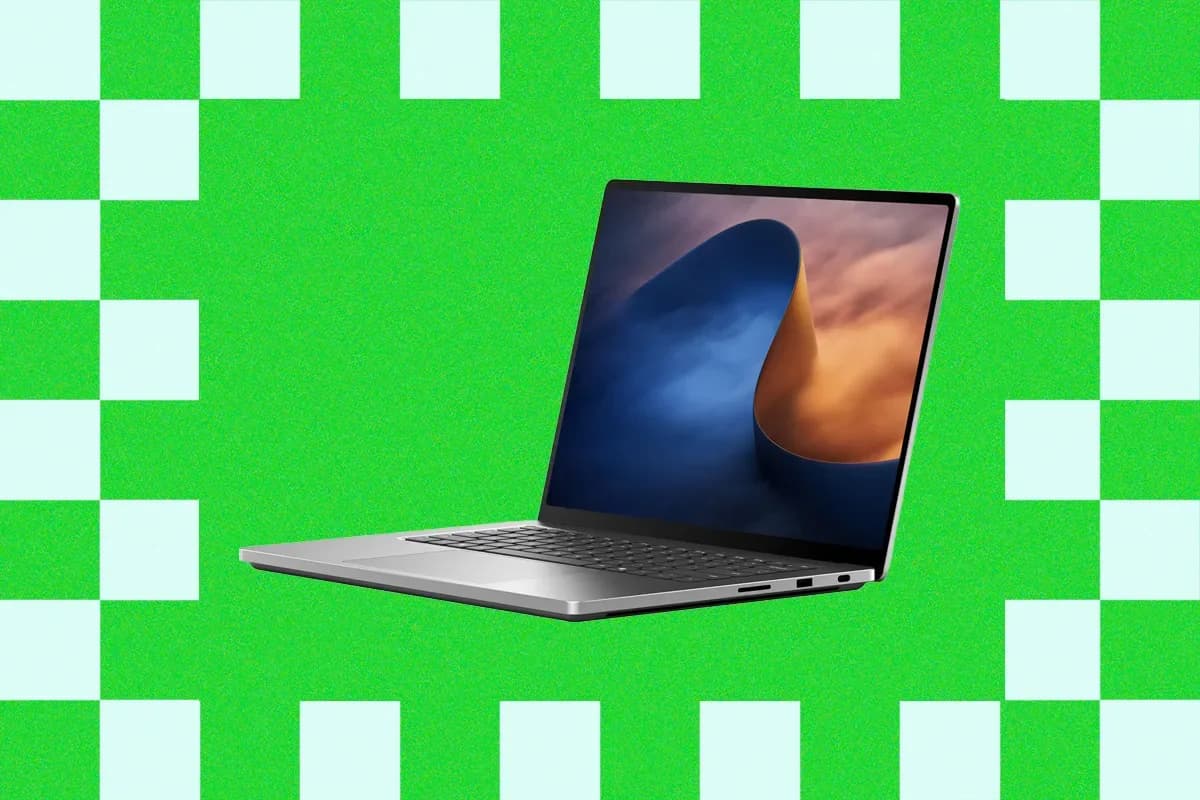
Be the first to comment
Join the argument. No password, just your email or a passkey.