Skip to content
Trending
BreakingGaming1 min read

The Legend of Zelda: Ocarina of Time remake on Android: how it runs, what phone it needs

Not emulation. Not streaming. Just ARM64 binaries, patched and rerouted — and suddenly, Ocarina of Time is on your phone.

Get this deal

The Legend of Zelda: Ocarina of Time remake on Android: how it runs, what phone it needs

Buy on Amazon

Paid links. As an Amazon Associate, Hitechreports earns from qualifying purchases. We also earn a commission from eBay and Temu on purchases made through our links. Prices change; the story gives the price as reported when it was written.

By Player Two

The Games Desk · (2 hours ago)

Reported fromoutlet, credited1
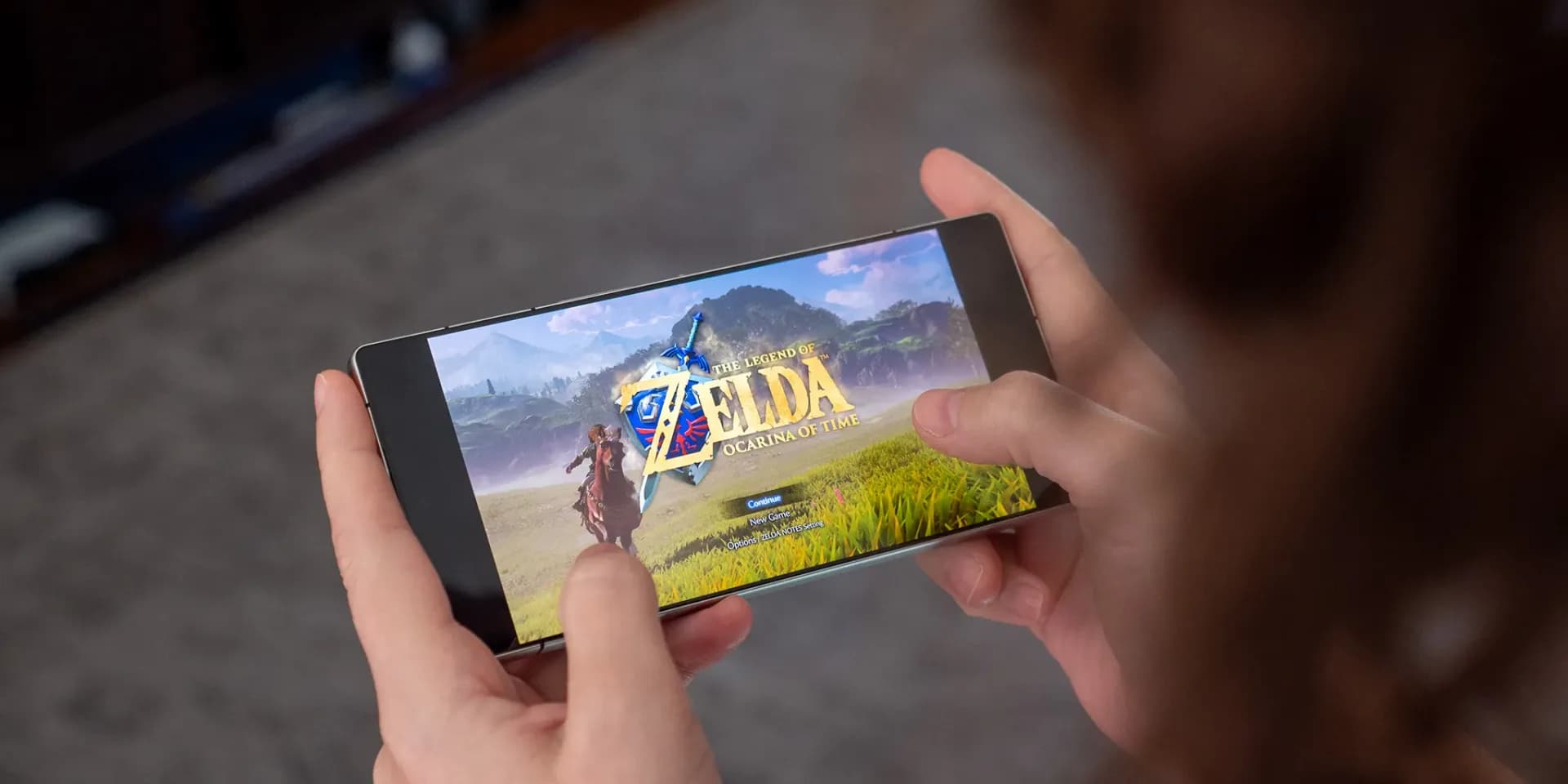
A smartphone screen showing The Legend of Zelda: Ocarina of Time remake running with UI elements visible
A smartphone screen showing The Legend of Zelda: Ocarina of Time remake running with UI elements visiblePhoto via 9to5Google

The Legend of Zelda: Ocarina of Time remake is running on Android phones — not via cloud streaming, not as a port, but natively, using emulator Banana Native. It hits ~15 FPS with AI frame generation enabled, delivering a stable 30 FPS visual output on a Poco F7 Ultra. That phone uses a Snapdragon 8 Elite (Gen 4), two generations old, and the game boots, renders cutscenes, and navigates Hyrule Field without crashing, per a Redditor’s public test posted November 10 on Reddit and cited by 9to5Google.

No official Nintendo or Nintendo Switch 2 SDK has been leaked. Banana Native doesn’t emulate hardware. It repackages the Switch 2’s native ARM64 game binaries to run directly on Android’s Linux kernel, leveraging the fact that Nintendo’s new console shares architectural DNA with high-end Android SoCs, specifically, an Nvidia mobile chip built for ARM64 execution.

That’s why it works at all. It’s not emulation in the traditional sense. It’s binary translation with runtime patching. And it’s free, open-source, and available now on GitHub.
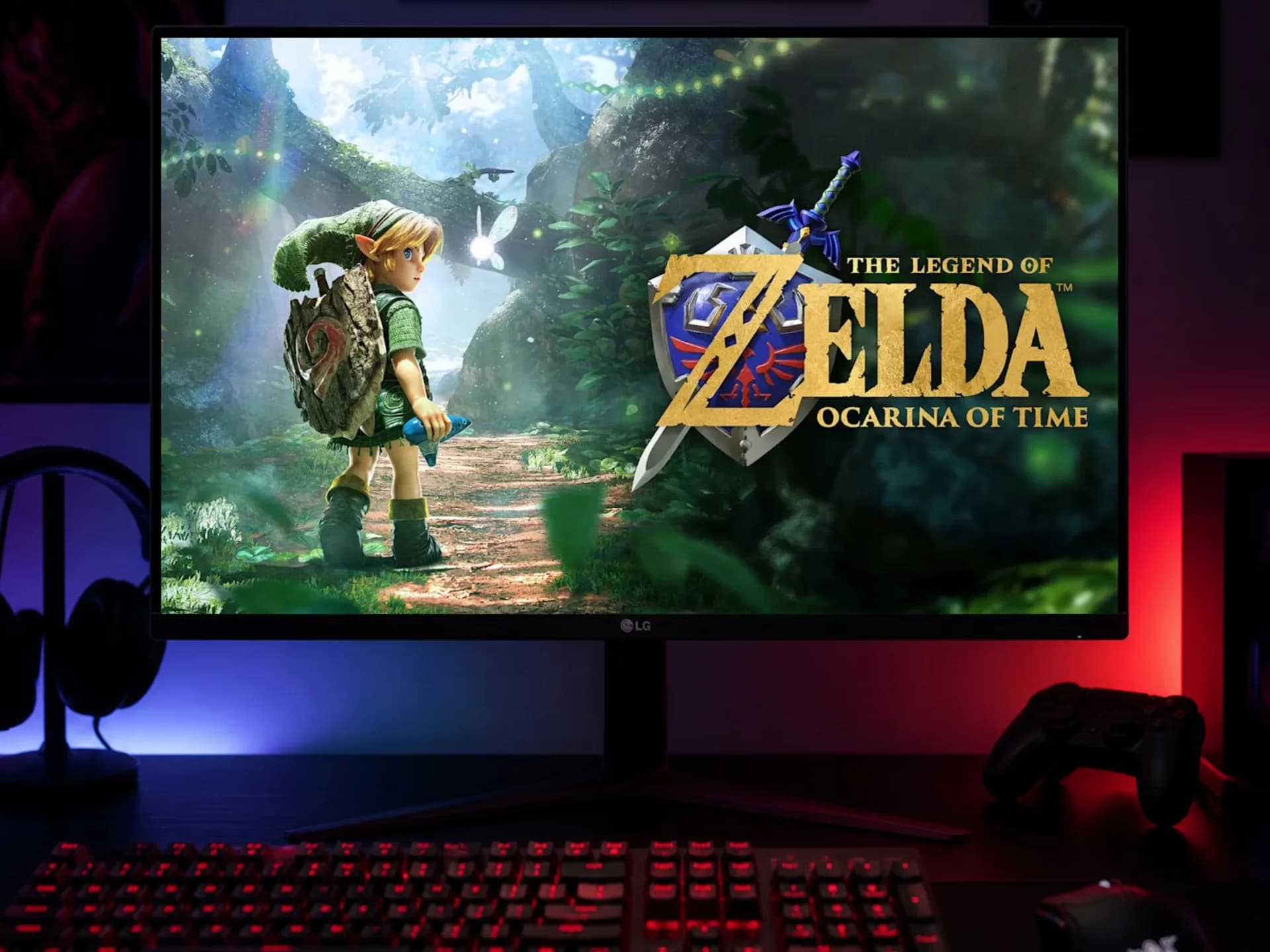

Droid Deck, another native Android emulator, focused on Steam games, runs well on many devices but lacks driver support for the latest chips like the Snapdragon 8 Elite Extreme in the Redmagic 12 Pro. Banana Native faces the same limitation: device-specific driver work is required per chipset, and that’s still underway.

The Ocarina of Time remake launched exclusively for Nintendo Switch 2 on November 7. Its appearance on Android, just three days later, isn’t sanctioned, isn’t legal under Nintendo’s terms, and carries no warranty or compatibility guarantee. But it’s real. And it’s working.

Banana Native’s GitHub repo shows active commits from November 9 and 10. Next up: testing on newer silicon, adding save-state support, and tackling audio sync issues reported in early builds. No timeline for broader device support has been shared.

Get this deal

The Legend of Zelda: Ocarina of Time remake on Android: how it runs, what phone it needs

Buy on Amazon

Paid links. As an Amazon Associate, Hitechreports earns from qualifying purchases. We also earn a commission from eBay and Temu on purchases made through our links. Prices change; the story gives the price as reported when it was written.

Reported from

How this story was made

Written by the Hitechreports desk from the reporting credited above, with facts attributed to their original publishers. We do not test devices ourselves; anything about performance, battery life or cameras comes from the outlets that did. Prices are as reported at the time of writing. Editorial policy · Report an error

What did you make of it?

Filed by The Games Desk

Consoles, handhelds, PC gaming and the platforms and hardware behind them.

More from this desk →

Be the first to comment

Join the argument. No password, just your email or a passkey.

    The Legend of Zelda: Ocarina of Time remake on Android: how it runs, what phone it needs

    Buy on Amazon